In the dynamic landscape of India’s pharmaceutical and healthcare realm, a subtle yet influential metamorphosis is underway—a transformation not only driven by groundbreaking medical advancements but also by a fundamental revolution in how work is approached. The integration of technology and flexible work models is ushering in a new era in patient care, where empowerment and innovation dance hand in hand, promising a brighter future for healthcare professionals and patients alike.

As per the insightful revelations from India’s Best Workplaces™ in Pharmaceutical, Healthcare, and Biotech 2023 report, flexibility emerges as a robust pillar, standing tall in comparison to other sectors. A striking 81% of employees within these industries revel in the flexibility of their workplace, a resounding acknowledgment of the adaptability required by healthcare professionals who navigate unique and demanding circumstances.

Flexibility at Work

What’s even more remarkable is the shared sentiment among 82% of employees—a belief that individuals daring to explore new and improved ways of doing things, irrespective of the outcome, are celebrated. This cultural shift towards embracing experimentation resonates deeply with the industry’s commitment to growth and advancement.

Providing Innovation Oppurtunities is a growth area

Diving into the data reveals a significant 44% of employees expressing a strong belief that they encounter abundant innovation opportunities within their workplace. This signals a departure from the traditional norms of the healthcare sector, showcasing a proactive approach towards fostering creativity and originality.

Diagnosing Success: Insights from Workplace Dynamics

Beyond the surface, the data unveils profound correlations between flexible work models, employee satisfaction, and organizational success.

Firstly, companies fostering an environment where employees feel positive about taking time off boast a noteworthy 10% higher retention rate. In an industry grappling with the constant specter of burnout, recognizing and encouraging personal time emerges as a strategic move toward maintaining a dedicated and motivated workforce. Secondly, the undeniable link between innovation opportunities and positive organizational perception emerges. Employees encountering a myriad of innovation opportunities at work showcase a remarkable 25% higher positive perception regarding their organization as a great workplace. This aligns with the understanding that a dynamic and creative work environment not only retains talent but also attracts new, forward-thinking professionals.

Prescribing a Future: The Leadership Imperative

As leaders within the pharmaceutical and healthcare sectors, it is imperative for organizations to recognize the symbiotic relationship between flexible work models and innovation. Nurturing an environment that values experimentation and provides room for unconventional thinking is the key to propelling the industry forward.

Encourage a culture where failures are not seen as setbacks but rather as stepping stones toward progress. Encourage an environment where each team member feels empowered to offer their own viewpoints by rewarding creativity and honoring those who dare to challenge the status quo.

Investing in technology that facilitates seamless collaboration and communication, transcending physical boundaries, is crucial. The ability to work flexibly shouldn’t compromise efficiency; instead, it should enhance it.

Let’s embrace the transformative potential of flexible work models as we discuss the complex healthcare landscape. By doing so, we not only empower our caring hands but also catalyze a wave of innovation that will redefine the future of patient care in India. The prescription for success lies in the hands of leaders committed to fostering a workplace where flexibility and innovation intertwine, creating a healthier, more resilient industry for generations to come.

In this symphony of progress, the harmony between flexible work models and innovative thinking will be the anthem that echoes across the corridors of healthcare, reshaping the destiny of patient care in India. The future promises a healthcare landscape where flexible work models not only enhance the well-being of professionals but also contribute significantly to elevating patient outcomes and experiences.

In the vibrant tapestry of India’s corporate sphere, a profound evolution is underway, redefining workplace culture as we know it. It’s not just about the bottom line anymore; it’s about embodying values that drive success and sustainability. In this journey of transformation, three powerful trends stand out – Inclusion, Innovation, and Purpose. These aren’t just trends; they are the pillars upon which the future of work will stand. Let’s explore how these elements are shaping the landscape of organizations and steering them toward a brighter and more meaningful future.

Inclusion: A Steady Climb Towards Diversity

Diversity and inclusion are no longer mere catchphrases; they are the lifeblood of thriving workplaces. Recent statistics from our reports reveal a promising surge, with 28% of employees now representing historically excluded groups (HEGs). HEGs refer to employees belonging to historically excluded groups such as Women, Persons with Disabilities, the LGBTQIA+ community, Employees who have joined after a career break, and many other underrepresented groups. This data signifies not just progress but a seismic shift towards fostering workplaces that mirror the diverse fabric of our society.

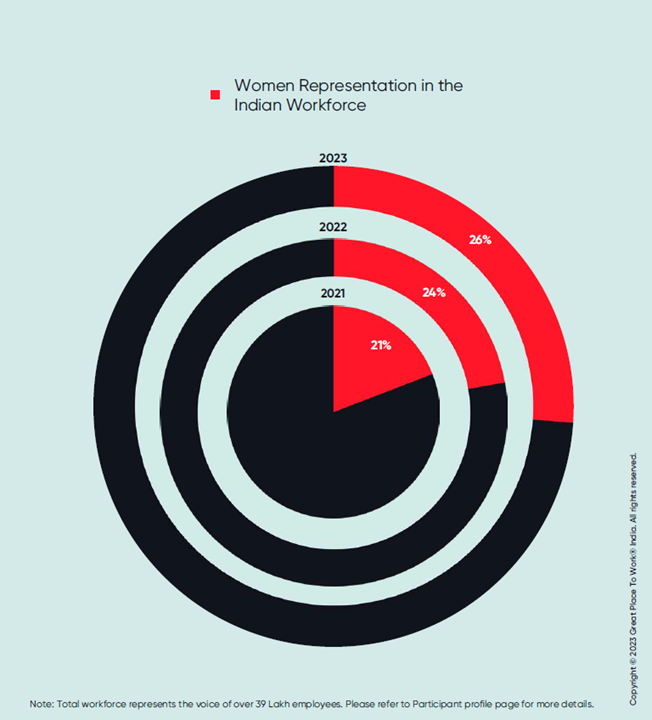
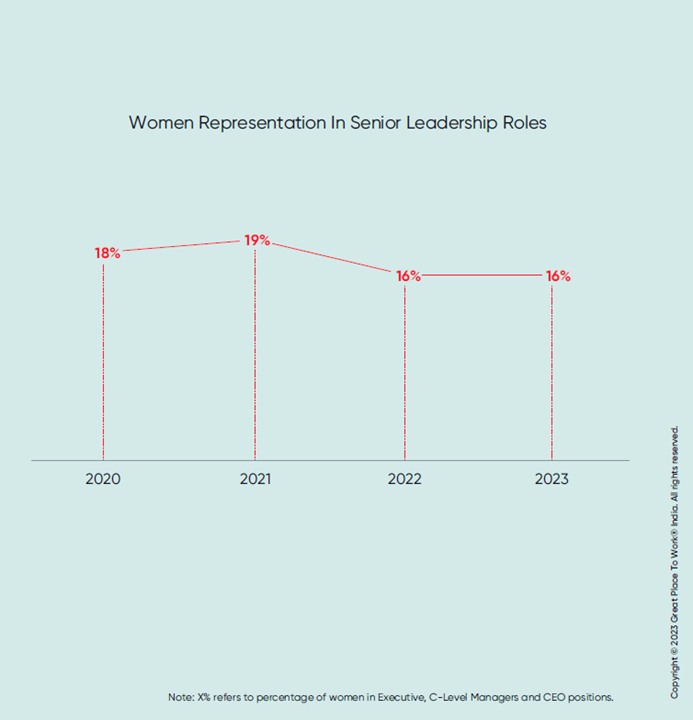
The upward trajectory is evident in the rising representation of women in the workforce. Over the past three years, the percentage has steadily climbed from 21% in 2021 to a commendable 26% in 2023. However, a gender gap persists at the upper echelons, with only 16% of women holding executive, C-level, and CEO positions. This dichotomy emphasizes the urgent need for concerted efforts to dismantle barriers and ensure equal opportunities for all.

The symbiotic relationship between inclusion and innovation becomes even more apparent when we delve into the data. Organizations championing diversity, equity, and inclusion are not just checking boxes; they are creating environments conducive to continuous learning, growth, and experimentation. Innovation flourishes where there’s a culture that encourages risk-taking, learning from mistakes, and collaboration. The statistics speak volumes – employees in organizations fostering inclusion exhibit an impressive 18% higher rate of innovation compared to their counterparts.

Innovation: The Edge of Best Workplaces

In the ever-shifting landscape of business, innovation is the secret sauce that propels organizations to greatness. Best Workplaces, characterized by a culture of innovation, don’t just survive; they thrive. Employees in such environments aren’t just cogs in a machine; they are torchbearers of creativity and progress. These workplaces don’t just boast an 18% higher rate of innovation; they cultivate an atmosphere where every individual experiences an 8% greater level of personal inspiration to contribute groundbreaking ideas.

Establishing an inclusive environment that encourages risk-taking, values multiple viewpoints, and supplies the resources needed for ongoing development and innovation is crucial for organizations that want to be at the forefront. As the late Steve Jobs aptly put it, “Innovation distinguishes between a leader and a follower.”

Purpose: The North Star of Organizations

As we gaze into the future, it becomes evident that purpose will be the North Star guiding successful organizations. Purpose isn’t a lofty ideal confined to mission statements; it’s the essence woven into the DNA of every thriving entity. A staggering 85% of employees in 2023 acknowledge the significance of their work beyond a paycheck. This underscores the growing desire for fulfillment and purpose in professional lives.

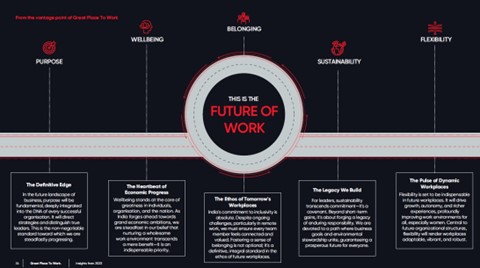
Future Of Work

For leaders, embracing purpose isn’t just a strategic move; it’s a moral imperative. The call to action is clear: make Diversity, Equity, Inclusion, and Belonging (DEIB) a core value. Lead by example, invest strategically in DEIB, appoint a Chief Diversity Officer, and use robust metrics to gauge effectiveness.

Your Call to Action as a Leader:

1. Make DEIB a core value; lead by demonstrating its importance in your actions.

2. Invest strategically in DEIB and appoint a Chief Diversity Officer or DEIB task force.

3. Use robust metrics and KPIs to assess DEIB effectiveness, regularly adjusting strategies based on data.

4. Build a culture that actively seeks and values ideas from all levels of your organization.

5. Ensure every voice is heard and has the space to make an impact, fostering a sense of belonging and diversity of thought.

6. Cultivate an environment where attempts at innovation are recognized, regardless of the outcome.

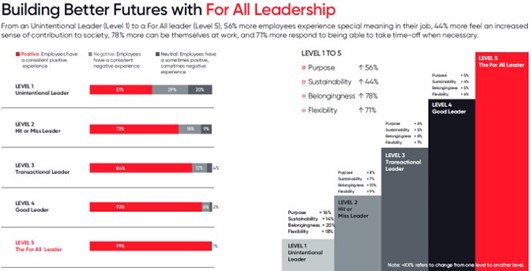
Building better futures with For All Leaderhsip

Integrate Purpose into the Heart of Your Business Strategy:

1. Ensure that every role has clarity in how it contributes to the broader mission, giving employees a sense of fulfillment and direction.

2. Regularly communicate how your organization’s work impacts the community and the environment, reinforcing a shared sense of purpose.

3. As a leader, embody the values you advocate. Your commitment to purpose should be evident in both strategy and daily interactions.

4. Encourage initiatives that allow employees to engage with and contribute to causes they care about.

Embracing the Future

These three tenets—Inclusion, Innovation, and Purpose—are more than just fads; they are the driving forces behind the future of work. As leaders, it’s not just our responsibility; it’s our privilege to champion these ideals, creating workplaces where diversity flourishes, innovation thrives, and purpose drives every action. Together, let’s set out on this significant path to create a future in which working is a rewarding and purpose-driven effort rather than merely a means to an end. As we embrace these trends, we don’t just secure the success of our organizations; we contribute to a brighter and more inclusive future for all.

In an era where workplace dynamics are constantly reshaped by the forces of change, the importance of cultivating a culture that champions equity has become more pronounced than ever. Recent data points from the Best Companies To Work For 2023 report underscore the significant impact of providing an equitable experience across demographics. 

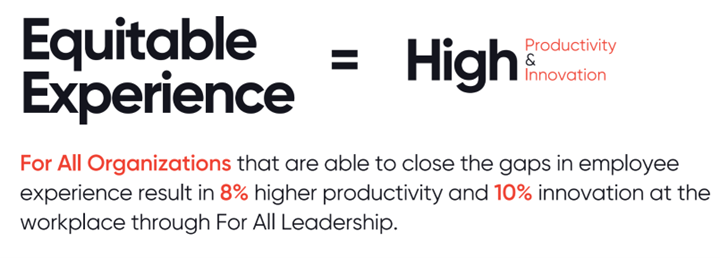
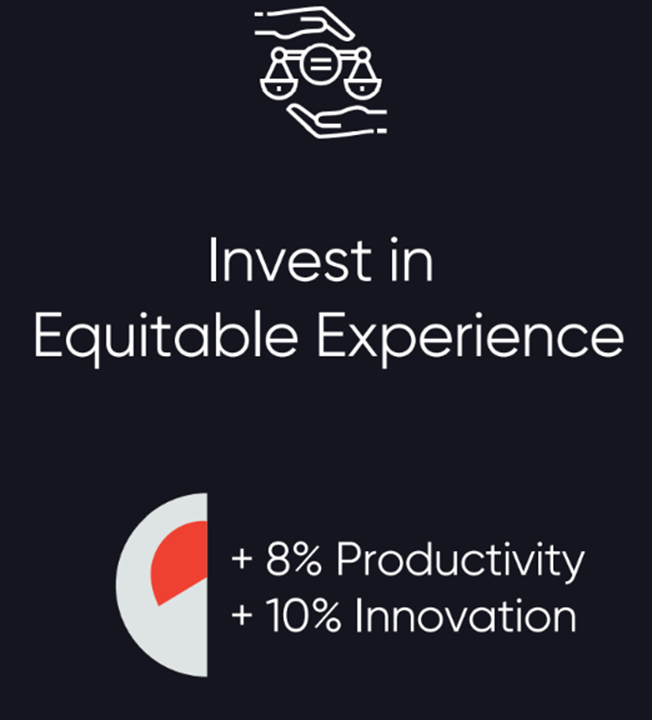
Studies reveal that organizations prioritizing equity witness a remarkable 8% surge in productivity and a substantial 10% boost in innovation. As the Indian economy rides the waves of high growth, enabling employees to maximize their potential emerges as a focal point for sustainable success.

Michael Bush, CEO at Great Place To Work® USA, succinctly captures the essence of this imperative. He emphasizes that an organization failing to harness the best from all its employees is essentially leaving money on the table. This assertion reflects the tangible consequences of overlooking the potential that lies within a diverse and motivated workforce.

For All Organization's Equitable Experience

The influence of organizations that actively engage in maximizing human potential, propelled by For All Leadership, cannot be overstated. The significance of closing gaps in employee experience is evident, as organizations embracing For All Leadership practices consistently report higher levels of productivity and innovation.

In this article, we will unravel the 15 key practice areas crucial for creating an equitable workplace culture where every individual is empowered to contribute their unique talents and ideas. From hiring practices to community engagement, each facet plays a pivotal role in shaping a workplace where productivity and innovation flourish hand in hand.

1. Hiring for Cultural Fit: The Foundation of Excellence

The journey to building a great workplace culture begins with hiring the right individuals. Exceptional teams are the backbone of great workplaces, and companies with outstanding cultures prioritize hiring individuals whose values align with the organization’s mission. Strategic hiring practices, focusing on both skill sets and cultural fit, create a workforce that positively contributes to and enhances the workplace culture.

2. Welcoming New Employees: Nurturing a Sense of Belonging

First impressions are lasting, and great workplaces understand the importance of onboarding in shaping an employee’s experience. Diverse and personalized onboarding methods go beyond mere orientation, ensuring that new hires feel welcomed and integrated into the organizational culture from day one. A strong onboarding process sets the stage for a positive and inclusive work environment.

3. Inspiring a Shared Purpose: Connecting Work to Meaning

Employees thrive when they find meaning in their work. Organizations with great cultures inspire their workforce by connecting them to a shared purpose. Programs that foster pride and emphasize the impact of individual contributions on customers and society overall contribute to a motivated and engaged workforce. Creating a sense of purpose elevates the overall workplace experience.

4. Transparent Communication from Leadership: Building Trust

Trust is the cornerstone of great workplace cultures. Leaders at successful organizations understand the importance of transparent communication, even in challenging times. Distinctive ways of sharing information, coupled with accessibility and warmth, build trust between employees and leadership. This transparency fosters a positive and open organizational environment.

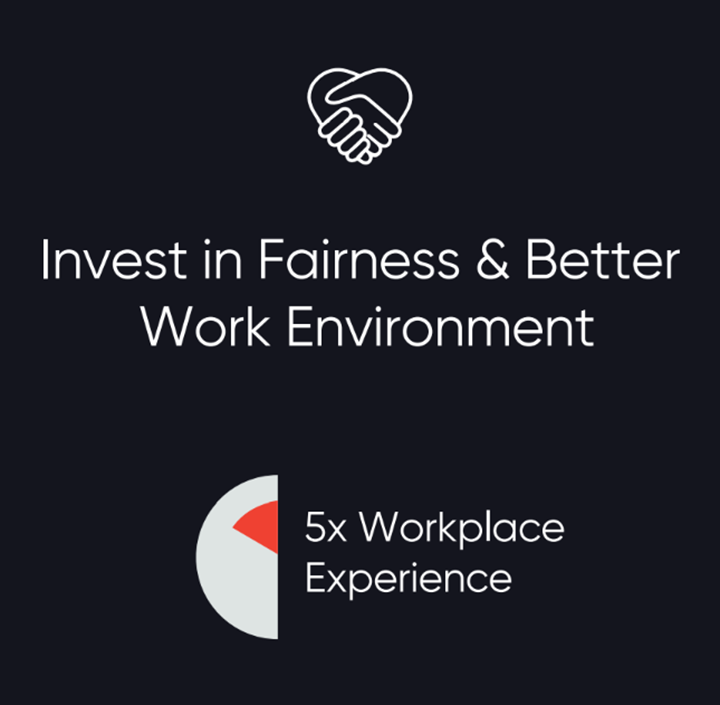
Invest in Fairness & Better Work Environment

5. Effective Upward Communication: Fostering Dialogue and Trust

Building trust demands creating avenues for employees to voice concerns and offer input. Organizations that actively seek input from employees demonstrate a commitment to a two-way communication flow, fostering a culture where every voice is heard and valued. This practice builds a sense of inclusivity and encourages employees to actively participate in shaping the organizational narrative.

6. Encouraging Collaboration and Innovation: Harnessing the Power of Ideas

Innovation is the lifeblood of successful organizations. Great workplaces actively encourage employees, regardless of their position, to share new ideas and suggest improvements. This creates an ‘Innovation by All‘ culture, driving positive changes in the business. By tapping into the collective insights of employees, organizations foster an environment that values continuous improvement and embraces change.

7. Frequent Appreciation and Recognition: Nurturing a Culture of Gratitude

Acknowledging and appreciating employees’ efforts is fundamental to building a positive workplace culture. Frequent recognition initiatives foster an environment of gratitude in which each worker is inspired to give their all and feels appreciated. This procedure not only lifts morale inside the company but also reaffirms its dedication to acknowledging the unique contributions made by each worker that come together to form the culture of the workplace.

8. Investing in Employee Development: Prioritizing Growth

Valuing employees means investing in their growth. Great workplaces prioritize training and development, providing employees with opportunities to discover and enhance their talents. This commitment to personal and professional growth fosters loyalty and dedication, as employees feel supported in their journey towards continuous improvement.

9. Balancing Work and Personal Lives: Supporting Holistic Well-being

Recognizing employees as whole individuals, not just workers, is vital for building a positive workplace culture. Organizations that support work-life balance and provide assistance during significant life events showcase a genuine concern for the well-being of their workforce. By offering a range of work/life benefits and programs, organizations demonstrate a commitment to the holistic well-being of their employees.

10. Promoting Diversity and Inclusion: Creating a Truly Inclusive Environment

A truly great workplace is one that caters to all employees, irrespective of their backgrounds. Programs and policies promoting diversity and inclusion across demographics and job roles contribute to an inclusive and equitable workplace. This commitment to diversity reflects societal values and enriches organizational culture by bringing together various perspectives and experiences.

11. Encouraging Fun and Camaraderie: Fostering a Positive Work Environment

Invest in Equitable Experience

Camaraderie and fun are not just perks but essential elements of a great workplace culture. Organizations that actively promote a positive and enjoyable work environment see increased employee satisfaction and collaboration. Organizations may foster stronger relationships and improve the overall work experience by giving employees the opportunity to interact outside of formal work environments.

12. Equitable Compensation Practices: Fostering a Sense of Fairness

Invest in Equitable Experience

Fair compensation practices are integral to a positive workplace culture. Great workplaces ensure that compensation-related activities are transparent, well-communicated, and inclusive, fostering a sense of equity among employees. By focusing efforts on ensuring fair compensation, organizations demonstrate their commitment to valuing and respecting every employee.

13. Engaging in Corporate Social Responsibility: Extending Care Beyond the Workplace

Beyond the workplace, great organizations actively participate in philanthropic and CSR initiatives. Involving employees in these efforts creates a sense of purpose and pride, aligning the workforce with the company’s values. This engagement in social responsibility not only benefits the community but also strengthens the bonds among employees, fostering a shared commitment to making a positive impact beyond business goals.

14. Transparent Leadership Effectiveness: Involving Employees in the Vision

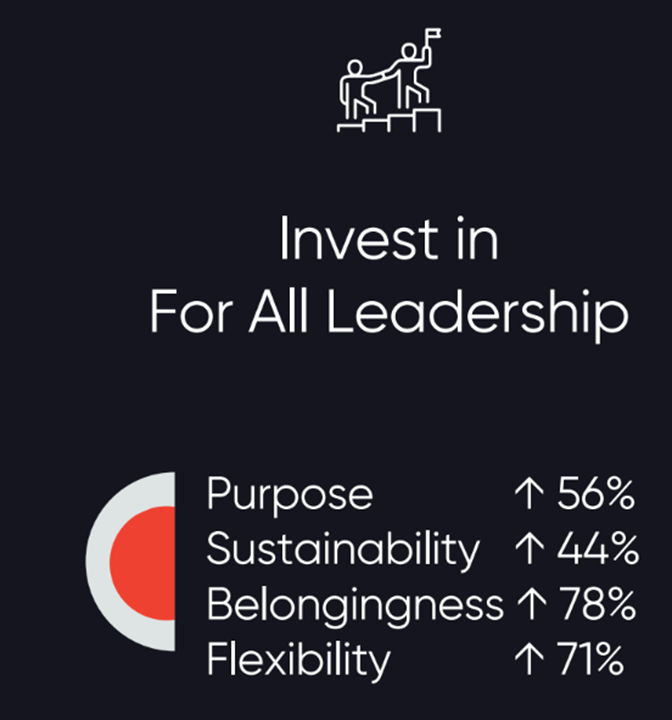
Invest in For All Leadership

Effective leadership is pivotal to a great workplace. Organizations involve employees in the development of short and long-term strategies, fostering a connection between daily tasks and overarching business goals. Transparent communication of these strategies across all levels builds a shared vision where employees understand their roles in achieving organizational success. This involvement in the decision-making process enhances employee satisfaction and commitment.

15. Continuous Improvement Through Analysis: Adapting to Evolving Needs

Analyzing responses and adapting to changing dynamics is essential for sustaining a great workplace culture. Businesses dedicated to creating and preserving positive workplace cultures assess their procedures regularly to make sure they adapt to the changing demands and expectations of their employees. This commitment to continuous improvement positions the organization as agile and responsive to the evolving workplace landscape.

To sum up, developing a fantastic workplace culture is a constant endeavor that requires commitment and flexibility. By prioritizing these practice areas, organizations can cultivate a positive and impactful workplace culture, leading to increased productivity, innovation, and employee satisfaction. As the workplace landscape evolves, so must the strategies for building and sustaining a great workplace culture. Continuous commitment to these practices ensures that organizations not only attract top talent but also retain and nurture a workforce that contributes to long-term success.

In the complex tapestry of administrative leadership, a prevailing issue demands our attention—the stark gender disparity entrenched in leadership roles. This concern is notably conspicuous in India, where female leaders often find themselves assessed against male leadership benchmarks. The gender gap isn’t confined to any specific sector but is particularly pronounced in the educational landscape. As we navigate the intricate layers of this issue, it is paramount to shed light on the statistics that underscore the gravity of gender disparity.

The Current Landscape:

A research article from the Journal of the International Society for Teacher Education reveals a disquieting reality—only 35% of academics in India are women, and an even smaller fraction ascend to leadership positions. These figures not only depict a gendered imbalance in educational leadership but also reflect broader societal norms perpetuating such disparities.

According to the 2023 Gender Social Norms Index (GSNI) report by the United Nations Development Programme (UNDP), gender bias is a pervasive global problem. The GSNI quantifies biases against women in key dimensions—political, educational, economic, and physical integrity. Alarmingly, close to 9 out of 10 individuals, regardless of gender, harbor fundamental biases against women. The report reveals that nearly half of the global population believes men make better political leaders, and two out of five people perceive men as more competent business executives than women. These biases persist across various regions, income levels, and cultures, underscoring the global nature of this issue.

Despite increased awareness and efforts to address gender inequality, the UNDP’s Gender Inequality Index (GII) has remained stagnant since 2019. This lack of progress emphasizes the need for concrete actions to dismantle the systemic barriers hindering women’s progress in various spheres of life.

Corporate Landscape:

Shifting our focus to the corporate realm, the latest Women in the Workplace report from McKinsey for 2023 indicates modest gains in women’s representation throughout the corporate pipeline. However, the report highlights a persistent underrepresentation of women of color. According to the Insights from our India’s Best Workplaces for Women 2023 report, women’s evolving roles, skills, and contributions enrich corporate diversity, innovation, and success.

Women Representation in the Indian Workforce

The representation of women in the corporate world has seen a positive trajectory, climbing from 21% in 2021 to 26% in 2023. Yet, the representation of women in executive, C-level management, and CEO positions in India has remained stagnant at 16% over the past two years, underscoring the urgent need for enhanced gender diversity in leadership roles.

Dismal Statistics:

Delving deeper into the numbers, we find that only 8% of CEOs in Indian organizations are women. Furthermore, a concerning statistic reveals that 31% of women lack female peers in senior leadership positions within their organizations. These figures illuminate the challenges that women face as they climb the corporate ladder, emphasizing the urgency of addressing gender disparities at the highest echelons of leadership.

Women Representation In Senior Leadership Roles

Strategies for Change:

While many organizations actively pursue increased gender representation, true leaders in this endeavor recognize the importance of simultaneously prioritizing a positive and inclusive workplace experience for all female employees. To foster gender equity, organizations can adopt the following strategies:

1. Gender Proportionality Principle:

Implementing policies and practices that ensure gender proportionality across all levels of an organization, from entry-level positions to executive roles. This involves proactive recruitment efforts to balance gender representation.

2. De-bias Your Workplace:

Conducting bias training and fostering a workplace culture that actively challenges and dismantles gender biases, promoting an environment of inclusivity and equal opportunities. Organizations can invest in educational programs to raise awareness about unconscious biases.

3. Be Transparent About Wage Gaps:

Promoting transparency regarding salary structures and ensuring that gender wage gaps are addressed promptly. This transparency not only builds trust but also holds organizations accountable for pay equality. Pay audits regularly can assist in locating and addressing inequalities.

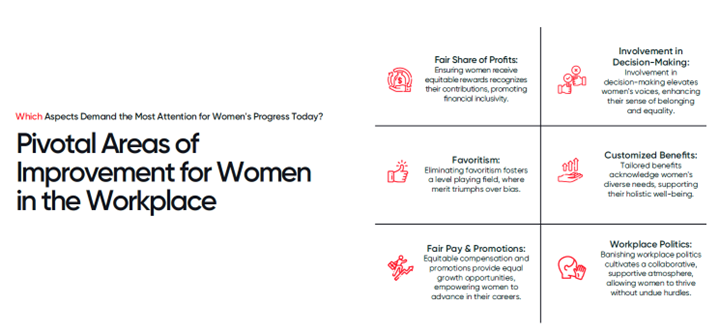
Pivotal Areas of Improvement for Women in the Workplace

4. Bring Flexibility to the Work Environment:

Recognizing and accommodating the diverse needs of a workforce by introducing flexible work hours and remote work options. This not only aids in work-life balance but also dismantles traditional gender roles. Organizations can establish flexible policies that support employees in balancing professional and personal responsibilities.

5. Embrace Non-Linear Career Paths:

Encouraging and supporting non-linear career trajectories for employees, especially women. Acknowledging that career progression may not always follow a linear path and creating opportunities for individuals to grow and advance at their own pace. This involves mentoring programs, skill development initiatives, and policies that allow for career breaks and re-entry.

6. Invest in Leadership Development Programs for Women:

Establishing targeted leadership development programs for women to equip them with the skills and confidence needed to advance in their careers. This entails training courses, coaching, and mentorship that are specifically designed to meet the special difficulties that women in leadership encounter.

7. Promote Inclusive Decision-Making Processes:

Actively involving women in decision-making processes at all levels of the organization. This includes creating diverse leadership teams, ensuring representation on boards, and seeking input from women in strategic initiatives.

As we unveil the gender disparity in Indian leadership, it becomes evident that systemic changes are imperative for creating a more equitable future. The statistics paint a sobering picture, emphasizing the urgent need for organizations and society at large to address these disparities head-on. By adopting proactive strategies, fostering inclusivity, and challenging ingrained biases, we can pave the way for a future where leadership is truly diverse, representative, and reflective of the rich tapestry of talent that exists in our society.

It is not just a call for change; it is a call for a transformation that transcends gender and propels us toward a more inclusive and equitable future. The journey toward gender equality in leadership is a collective responsibility requiring sustained efforts from individuals, organizations, and policymakers. As we move forward, let us strive for a reality where every individual, irrespective of gender, has the opportunity to contribute and thrive in leadership roles, shaping a world where diversity is celebrated, and equality is not just a goal but a lived reality.

The symbiotic interaction between humans and artificial intelligence (AI) is changing the fundamental components of corporate culture in the quickly changing modern workplace. The integration of AI technologies has ushered in a new era where the coexistence of workers and workplace AI is not just a possibility but a necessity for staying competitive. In this blog post, we’ll explore how AI can enrich our understanding of organizational culture, delve into the impact of AI on company culture, and highlight the cultural benefits of embracing artificial intelligence in the enterprise.

Decoding the Dynamics: Worker and Workplace Artificial Intelligence Coexistence

The convergence of human intelligence with AI brings forth a paradigm shift in how we work. AI is becoming more and more of a collaborative partner, increasing production and efficiency, in contrast to the concern that it will replace jobs. The key lies in understanding the nuanced dance between workers and workplace AI, acknowledging the strengths of each, and leveraging them to create a harmonious work environment.

As workers and AI collaborate, it is essential to recognize the unique capabilities each brings to the table. While AI excels in data processing, pattern recognition, and repetitive tasks, humans contribute creativity, emotional intelligence, and critical thinking. A workplace where both entities complement one another and drive productivity and innovation to new heights depends on finding the proper balance.

How Can AI Enrich Our Understanding of Organizational Culture?

Organizational culture, the invisible force shaping the behaviors and attitudes within a company, is deeply intertwined with the introduction of AI. Leveraging AI to understand and enhance organizational culture can be a game-changer. AI analytics can sift through vast amounts of data to identify patterns, providing valuable insights into the dynamics at play.

Effective use of AI goes beyond mere automation. It improves collective learning by analyzing data on employee interactions, preferences, and performance. It clarifies responsibilities by streamlining processes and ensuring accountability. AI affects collaboration positively by identifying opportunities for cross-functional cooperation. Additionally, automating repetitive operations raises staff morale and frees up time for more demanding and meaningful work.

Innovating with AI not only boosts competitiveness but also enables organizations to reassess key assumptions, set new objectives, and realign behaviors. The integration of AI into organizational culture is not about replacing human elements but amplifying them, creating a culture of continuous improvement and adaptability.

The Impact Of AI On Company Culture

The introduction of AI into the workplace inevitably influences company culture. Organizations that embrace AI technologies experience a cultural shift marked by adaptability, innovation, and a focus on continuous learning. The MIT SMR-BCG report underscores the positive impact of AI on company culture, emphasizing its role in shaping a workplace conducive to growth and development.

A culture of inquiry and discovery arises when AI becomes a crucial component of day-to-day operations. Employees become more open to learning and experimenting with new technologies, driving a collective pursuit of knowledge. This shift towards a learning-centric culture not only enhances individual skills but also fosters a sense of community and shared purpose within the organization.

The effective use of AI also brings about a heightened sense of responsibility and accountability. AI makes responsibilities more clear and streamlines processes, giving workers more freedom to own their work. This newfound clarity in responsibilities cultivates a culture of trust and reliability, essential components for a thriving workplace.

Collaboration, a cornerstone of organizational success, is enhanced through the integration of AI. Artificial Intelligence dismantles organizational silos and promotes a culture of teamwork by finding synergies and enabling cross-functional communication. The result is a more cohesive and agile organization, ready to tackle challenges and capitalize on opportunities in the rapidly changing business landscape.

Artificial Intelligence’s Cultural Benefits for Businesses

The cultural benefits of effective AI use are manifold. The following aspects highlight the transformative power of AI in shaping organizational culture:

1. AI’s Proficient Use Enhances Collective Learning Experiences

AI-driven analytics enable organizations to gather and interpret vast amounts of data, uncovering valuable insights. By harnessing this collective intelligence, employees can continuously learn and adapt, fostering a culture of knowledge-sharing and growth.

2. AI’s Optimal Utilization Brings Clarity to Roles and Responsibilities.

One of the significant challenges in any organization is the ambiguity surrounding roles and responsibilities. AI brings clarity by automating routine tasks, allowing employees to focus on their core responsibilities. This clarity not only improves efficiency but also establishes a culture of accountability.

3. AI’s Efficient Use Impacts and Enhances Collaborative Efforts.

AI acts as a catalyst for collaboration by identifying opportunities for teams to work together more effectively. Through data-driven insights, organizations can break down silos and encourage cross-functional collaboration, leading to a more integrated and cooperative culture.

4. Effective Implementation of AI Boosts Overall Team Motivation and Satisfaction.

AI enables workers to focus on more challenging and significant areas of their work by automating monotonous and repetitive chores. This not only boosts morale but also contributes to a positive and motivated workplace culture.

5. AI-Driven Innovation Enhances Competitive Edge and Market Positioning.

Organizations that embrace AI for innovation gain a competitive edge. AI enables businesses to explore new possibilities, experiment with novel ideas, and stay ahead in a rapidly evolving market. This innovation-driven culture is crucial for long-term competitiveness.

6. AI Application for Reassessing Assumptions, Setting Objectives, and Realigning Behaviors

AI’s analytical capabilities provide organizations with the tools to reassess their strategies, challenge assumptions, and set new objectives. This continuous cycle of improvement fosters a culture of adaptability and resilience, positioning the organization for long-term success.

5 Mistakes That Undermine Employee Trust in an AI-Powered Workplace

While the integration of AI brings numerous benefits, certain pitfalls can erode employee trust. Building a supportive and diverse AI-powered workplace requires acknowledging and resolving these issues. Let’s explore five common mistakes that can undermine employee trust:

1. Assuming Employees and Consumers Already Trust You

Trust is not automatic, and assuming it can lead to complacency. Companies need to take proactive measures to establish and preserve trust by answering queries, being open and honest about their AI activities, and showcasing how AI benefits both customers and workers.

2. Underestimating the Change Management Process

The introduction of AI often involves significant changes in processes and workflows. Underestimating the impact of these changes can create confusion and resistance among employees. To ensure a seamless and happy transition for staff members, a strong change management strategy is necessary.

3. Overlooking the Risks When Moving Fast

The rapid implementation of AI without thorough risk assessment can lead to unintended consequences. From biased algorithms to security vulnerabilities, overlooking risks can damage both employee trust and the organization’s reputation. A careful and measured approach to AI implementation is crucial to mitigate potential risks.

4. Failing to Consider Employee Concerns

Employees may harbor concerns about job security, job relevance, or ethical implications of AI. Failing to address these concerns can breed mistrust. To allay these worries, organizations should establish open lines of communication, pay attention to the opinions of their workers, and offer opportunities for professional development.

5. Losing Touch With Your Organization’s Purpose

Amidst the excitement of AI integration, organizations must not lose sight of their core values and purpose. Employees connect with a sense of purpose, and aligning AI initiatives with organizational values reinforces a positive company culture. The human-centric approach ensures that AI is a tool for enhancing, not replacing, the workforce.

Paving the Way for a Human-AI Synergy

In conclusion, the coexistence of workers and workplace AI is not just a technological evolution but a cultural transformation. AI has the potential to enrich our understanding of organizational culture, shape positive company cultures, and drive collective learning, innovation, and collaboration.

As organizations embrace AI, it is crucial to avoid the pitfalls that can undermine employee trust. By actively addressing concerns, communicating transparently, and aligning AI initiatives with organizational values, companies can foster a workplace where humans and AI thrive together. To learn more about AI’s revolutionary potential and the trends shaping the organizational culture in the IT industry, download our comprehensive India’s Best Workplaces in IT & IT-BPM 2023 report. Discover how effective AI use improves collective learning, clarifies responsibilities, enhances collaboration, boosts morale, and propels innovation. It’s time to navigate the future with confidence and embrace the limitless possibilities of a human-AI synergy.

Certification Nation Day (CND) is not merely an event; it’s a grand celebration of dedication and achievements, a worldwide acknowledgment of workplace excellence. From November 1-3, 2023, the Great Workplaces Community India united to recognize and honor the best of the best, celebrating the very essence of great workplaces under the banner of Certification Nation Day 2023.

What is CND?

Certification Nation Day is more than just a day on the calendar; it’s an exclusive celebration of commitment and achievements, a global salute to workplace excellence. It presents a significant opportunity for organizations to showcase their dedication, solidify their reputation as employers of choice, and foster a profound sense of belonging among their employees. Regardless of size or industry, CND is a celebration that transcends boundaries, honoring the unique cultures and success stories that make each workplace special.

Success Stories of the CND 2023 Contest Winners:

Larsen & Toubro Limited – CND 2023 Culture Champion Among Large Organizations

In the vast landscape of Construction, Infrastructure, and Real Estate, Larsen & Toubro Limited (L&T) has been a beacon of innovation and excellence since its founding in 1938. With a global presence in 50 countries and a workforce of 52,586 employees, L&T has consistently demonstrated a remarkable ability to dream, innovate, and create solutions that build a better world.

Their passion for excellence and commitment to a positive workplace culture are truly commendable. On Certification Nation Day, L&T took the opportunity to celebrate its remarkable journey by showcasing the transformative projects that have shaped a better future. From construction and project-related activities to manufacturing and engineering services, their multifaceted approach has played a pivotal role in building the Best Workplaces in India.

L&T’s story is not just about structures and projects but about the people who dream, innovate, and create. Their contribution to building a better world and fostering positive workplace cultures has been truly outstanding. Congratulations to L&T India for achieving the well-deserved title of CND 2023 Culture Champion among large organizations! 

Dive into the heart of excellence at L&T! Watch how they celebrated Certification Nation Day, shaping a brighter workplace future here.

H & R Block (India) Private Limited – CND 2023 Culture Champion Among Mid-size Organizations

In the realm of Information Technology, H & R Block (India) Private Limited, founded in 2017, has stood out as a global consumer tax services provider. With a staggering global workforce of 90,700 employees operating in 5 countries, H&R Block is synonymous with tax services, offering complete choice for consumers to get tax help on their terms.

What makes H&R Block exceptional is not just its industry leadership but its unwavering commitment to positive employee experiences and diversity. On Certification Nation Day, H&R Block actively participated in the initiative, using the occasion to celebrate their commitment to nurturing a positive, high-performing work culture.

Through a series of engaging social media posts, H&R Block showcased their dedication to credibility, respect, fairness, pride, and camaraderie. Beyond just a tax services provider, H&R Block stands as a beacon of excellence in cultivating positive employee experiences. Congratulations to H&R Block for achieving the well-deserved title of CND 2023 Culture Champion among mid-size organizations!

Experience the H&R Block journey here. Watch how they celebrated CND by showcasing their commitment to diversity, excellence, and positive work culture.

Taking the Next Step

As we conclude this grand celebration, we extend an invitation to organizations across the country. Take the first step today and Get Certified to revolutionize your organization, ensuring a brighter, more successful future for your business and employees alike. Let’s continue to celebrate workplace excellence and inspire others to reach new heights!

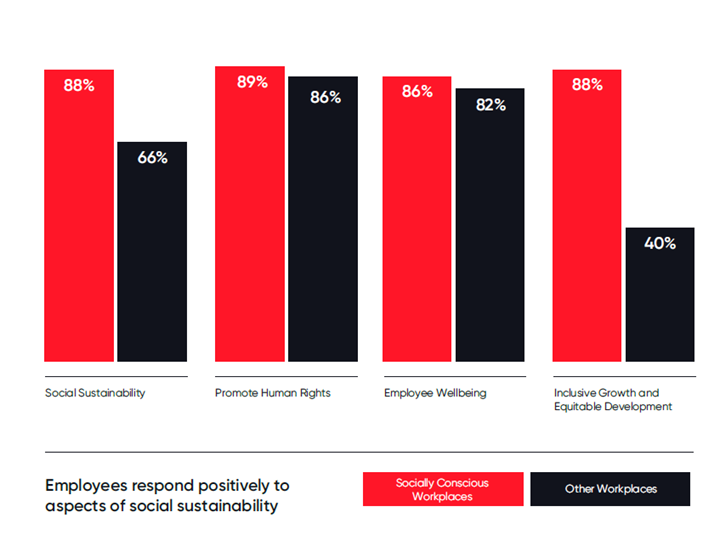
In the dynamic landscape of contemporary business, organizations are not just economic entities driven solely by profit motives. Today, they are perceived as stewards of a greater purpose — one that extends beyond boardrooms and bottom lines. The imperative is clear: to nurture the social sustenance of our people. It’s a paradigm shift from profit-centric models to a holistic approach that values human rights, well-being, and inclusive growth. This shift not only defines the essence of progressive organizations but also sets the stage for workplace cultures that contribute to societal betterment.

The Essence of Social Sustenance

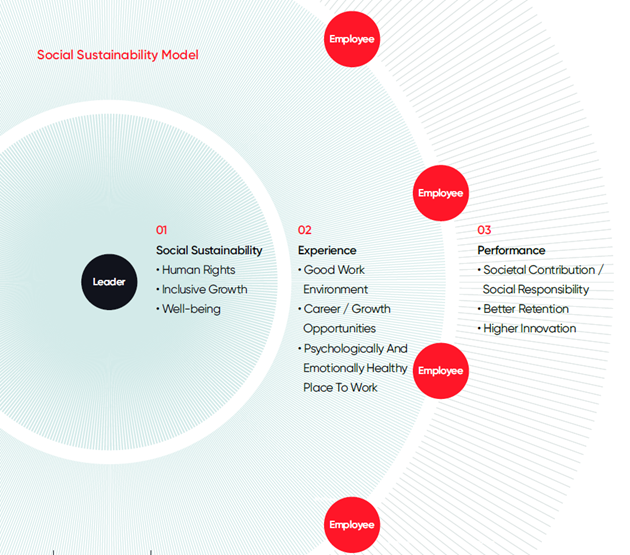
At the core of social sustainability lies the commitment to respect and promote human rights, foster employee well-being, and drive inclusive growth. It’s a multifaceted approach that goes beyond traditional business metrics, recognizing the interconnectedness of organizational success and societal progress.

Social Sustainability Model

Organizations that prioritize social initiatives and actively engage in fostering social sustenance reap numerous benefits. They cultivate workplace cultures that contribute to societal betterment, enhance employee retention, and foster an atmosphere of innovation. The strategic integration of social issues into the organizational framework effectively mitigates cultural risks, positioning these organizations as leaders not only in their industries but also within their communities.

Empowering Employee Voices

Employee Voices

The power of employee voices cannot be overstated. Organizations that champion social sustainability actively seek to represent the diverse perspectives of their workforce. The Commitment towards Social Sustainability report highlights the participation of over 1.3 million employee voices, a testament to the commitment of organizations towards inclusivity and transparency.

Industry Dynamics in Social Sustainability

Industry Dynamics in Social Sustainability

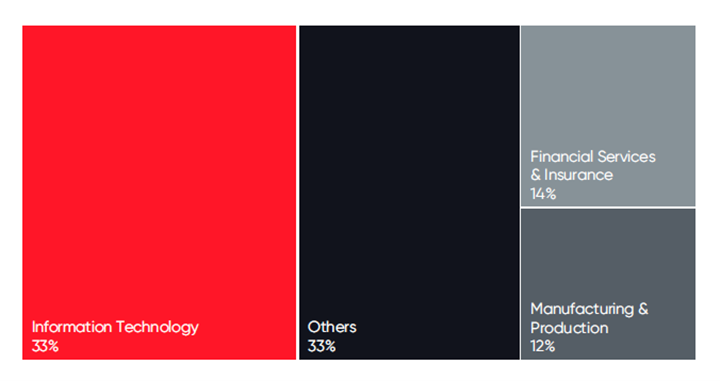
While the report indicates commendable progress in the realm of social sustainability, it also underscores marked differences across industries. The IT sector emerges as a frontrunner, leading in various factors. To close the gap and provide a more equal environment, coordinated efforts across all businesses are necessary, yet the financial services sector lags behind.

Socially Conscious Workplaces: Standing Apart

Socially Conscious Workplaces

Socially conscious workplaces stand apart due to their unwavering commitment to human rights, well-being, and inclusive growth. Despite this commitment, however, there remains a noticeable disparity in social sustainability outcomes. While strides have been made in upholding human rights, the challenge lies in translating these efforts into tangible results for inclusive and equitable growth.

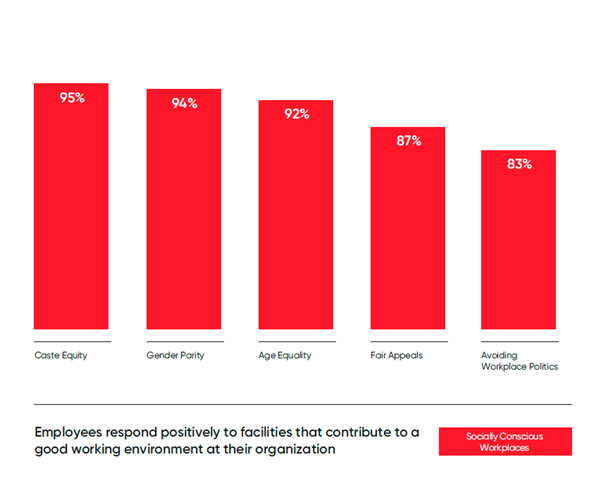
Creating a Fair and Respectful Working Environment

Fair and Respectful Working Environment

One of the defining characteristics of socially conscious workplaces is their dedication to creating a fair and respectful working environment. By prioritizing and promoting human rights, these workplaces contribute to a positive atmosphere enabled by the facilities received by employees. The commitment to eradicating discrimination and fostering diversity ensures that every employee feels valued, paving the way for a thriving organizational culture.

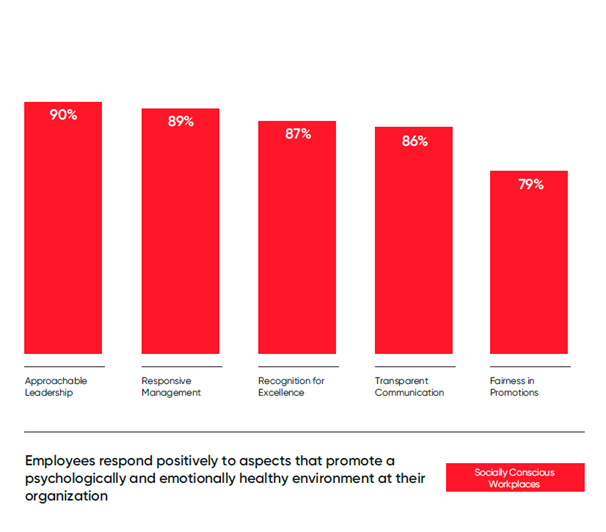
Enhancing Mental and Emotional Well-being

Mental and Emotional Well-being

The correlation between social issues and mental and emotional health is undeniable. Employee well-being is given priority in socially conscious workplaces because they understand that a positive work environment involves more than simply physical comfort—it also involves emotional support and open communication. These organizations foster an environment where employees feel empowered and supported to bring their best selves to work by addressing mental health challenges.

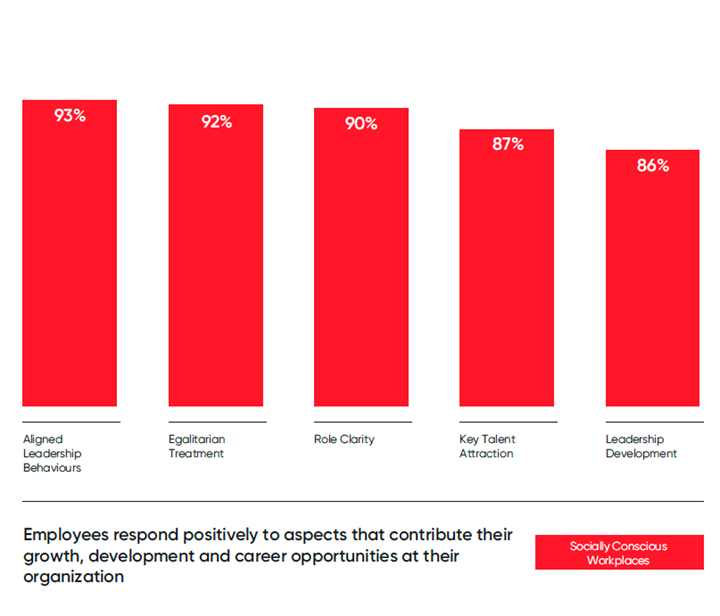
Thriving Career Opportunities

Career Opportunities

Inclusivity and equitable development are not just moral imperatives; they are strategic assets for organizations. Socially conscious workplaces, by promoting inclusive growth, create an environment of excellence that fosters career opportunities and growth. The commitment to fairness in promotions and career advancement ensures that employees feel valued and motivated to contribute their best.

Cultivating Purpose, Retention, and Innovation

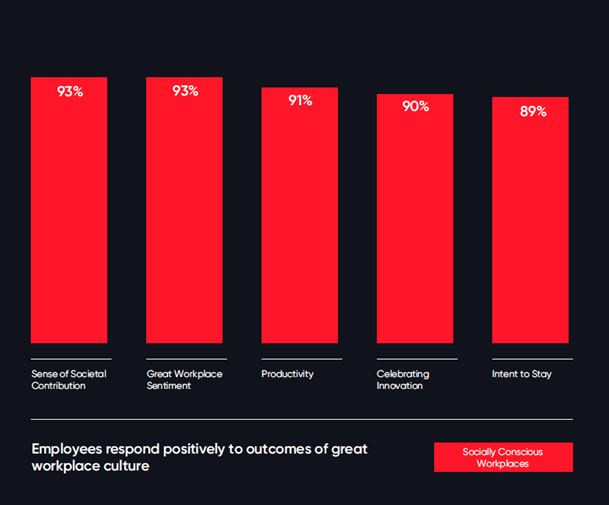
Positive outcomes of great workplace culture

Socially conscious workplaces are not just about compliance; they are about cultivating a sense of purpose. Employees in these kinds of settings have a strong sense of purpose and connection to their work, which increases retention rates.

The culture of societal contribution resonates with employees, fostering a willingness to stay for the long term. Additionally, the commitment to social sustainability creates a fertile ground for innovation, as diverse perspectives and ideas thrive in an inclusive and supportive culture.

Future Focus Areas: Promoting Fairness and Transparency

Social Sustainability

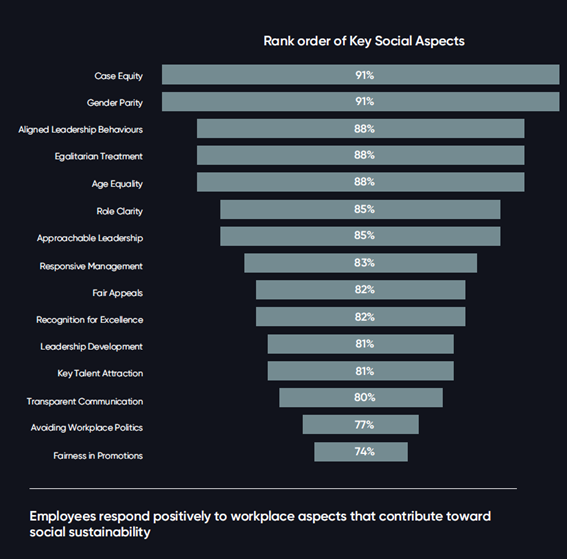
As organizations march towards greater social sustainability, the focus must shift towards ensuring fair promotions, transparent communication, and the eradication of workplace politics. These aspects, identified as crucial by the report, are integral to shaping the future of work. Employees respond positively to workplace environments that actively contribute to social sustainability, creating a positive feedback loop where organizational success and societal progress are mutually reinforcing.

The Social Sustainability report serves as a beacon for organizations navigating the complex landscape of contemporary business. It reinforces the idea that organizations are not just economic entities; they are societal stakeholders with a responsibility to nurture the social sustenance of their people. By prioritizing human rights, well-being, and inclusive growth, organizations can create workplaces that not only thrive but also contribute meaningfully to the betterment of society. As we move forward, the focus on fairness, transparency, and the holistic well-being of employees will undoubtedly shape the future of work, ensuring that organizations not only succeed financially but also leave a lasting positive impact on the world.

With today’s hyperconnected world, it has become more and more difficult to maintain a healthy work-life balance. The relentless stream of notifications, emails, and messages, even outside of work hours, blurs the lines between professional and personal life, leading to stress, burnout, and a decline in wellbeing.

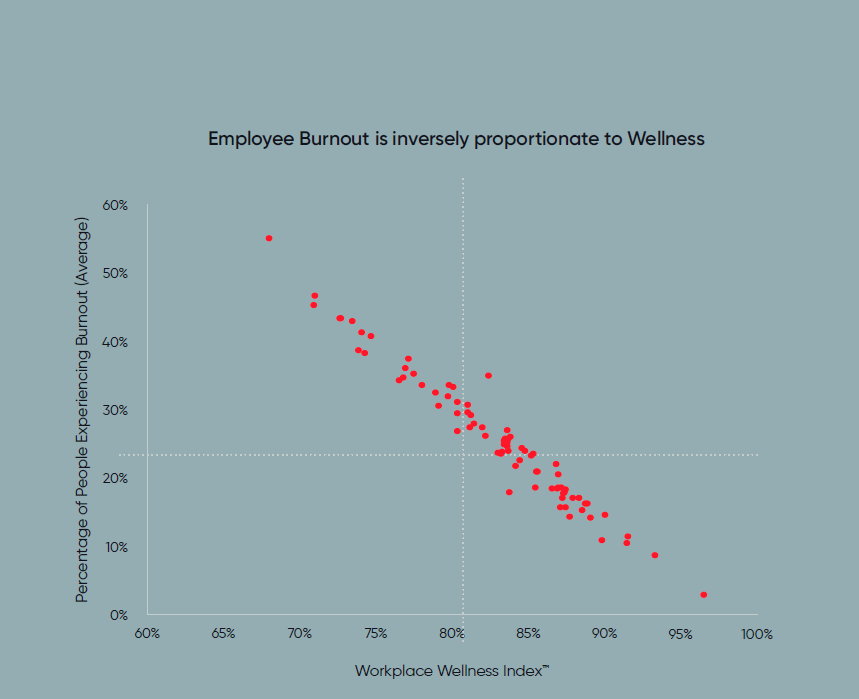
Employee Burnout Vs Wellness

The rise of technology, while revolutionizing how we work, has also introduced many adverse effects on employee wellbeing. Digital detox, the practice of disconnecting from technology for some time, can be a powerful tool for employees to reclaim their time and improve their wellbeing. In this blog post, we will discuss the benefits of digital detox for employees and provide practical tips for implementing it in the workplace.

The Impact of Technology on Employee Wellbeing

Technology has undoubtedly transformed how we work, offering many benefits that have enhanced efficiency, productivity, and communication. However, the pervasiveness of technology in our lives has also brought about a range of challenges, particularly in the realm of employee wellbeing.

The constant connectivity fostered by smartphones, laptops, and other digital devices has blurred the lines between work and personal life, leading to an “always-on” culture that can contribute to stress, anxiety, and burnout. Employees feel pressured to respond to emails, messages, and notifications at all hours, even during personal time, disrupting their ability to relax and recharge.

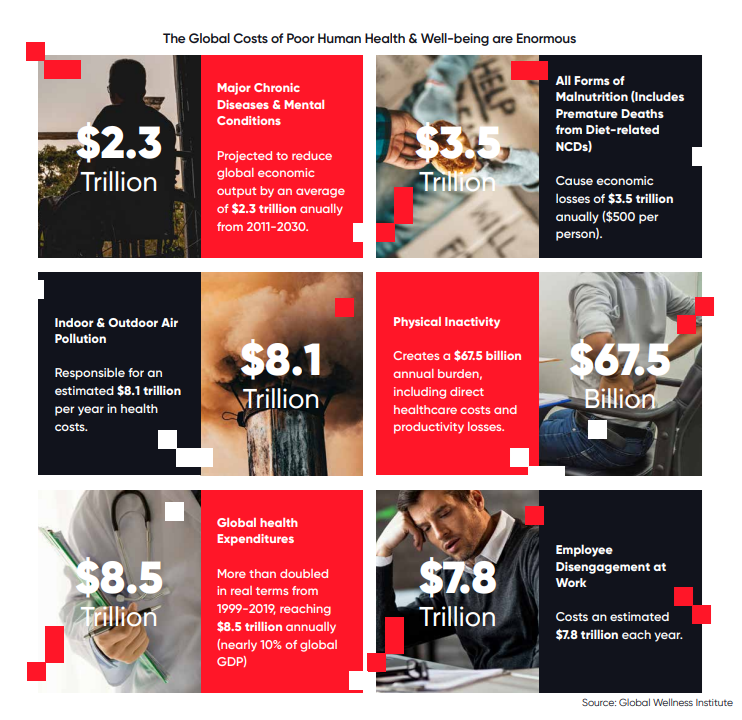
This constant barrage of digital stimuli can also lead to decreased focus and concentration as employees struggle to prioritize tasks amidst a sea of distractions. The constant interruptions and attention-switching can hinder productivity and creativity, making it difficult to complete work effectively. Furthermore, the blue light emitted from electronic devices can interfere with sleep patterns, disrupting the body’s natural circadian rhythm. This can lead to fatigue, impaired cognitive function, and an increased risk of health problems. According to the World Health Organization (WHO), an alarming 66% of annual deaths in the country are attributed to NCDs. Moreover, 1 in 4 Indians are at risk of dying from an NCD before reaching the age of 70.

Poor Human Health

Despite these challenges, technology can also be harnessed to promote employee wellbeing when implemented thoughtfully and responsibly.

Benefits of Digital Detox for Employees

This practice of intentionally disconnecting from digital devices offers a myriad of benefits for employees, empowering them to enhance their productivity, creativity, and overall wellbeing.

Stress Reduction and Enhanced Mental Health

Digital detox provides a much-needed respite from this relentless digital onslaught, allowing employees to unwind, de-stress, and regain a sense of calm. A digital detox can significantly improve mental health and prevent burnout by reducing stress levels.

Improved Focus and Concentration

The constant distractions of digital devices can significantly hinder focus and concentration, making it difficult for employees to engage in deep, meaningful work. Digital detox breaks this cycle of distraction, allowing employees to regain their focus and dedicate their full attention to the task at hand. This enhanced focus can lead to increased productivity and improved work quality.

Boosted Productivity and Creativity

A digital detox can spark innovation and lead to fresh ideas and solutions. This boost in creativity can translate into increased productivity and a more dynamic work environment.

Enhanced Sleep Quality

Digital detox encourages employees to power down their devices before bed, allowing their bodies to prepare for sleep naturally. Improved sleep quality increases energy levels, better cognitive function, and overall wellbeing.

Strengthened Relationships

A digital detox enables workers to establish closer bonds with their loved ones and coworkers, strengthening bonds both within and outside of the office. By disconnecting from technology, employees can engage in meaningful conversations, participate in shared activities, and build stronger bonds with those around them.

Additionally, considering the global Human Development Index (HDI), in 2021, India ranks 132 out of 191 countries. In the Global Wellness Index 2020, India ranks 120 out of 151 countries, with an overall wellness score of 47.8 out of 100. These data points highlight the importance of initiatives such as digital detox in promoting the wellbeing of employees, not only on an individual level but also within the broader societal context.

Tips for Implementing Digital Detox in the Workplace

Employers can play a role in encouraging and supporting digital detox among their employees.

Set Boundaries:

Establishing clear boundaries for technology use during work hours is crucial. Designate specific times when employees are encouraged to disconnect from their devices or limit their use to essential work-related tasks only. This not only helps in reducing screen time but also promotes a healthier work-life balance.

Create Device-Free Zones:

Designate certain areas or times in the workplace where the use of digital devices is prohibited. For instance, during meetings, lunch breaks, or in specific work areas, encourage employees to put their devices away. This creates a conducive environment for focused and uninterrupted work, fostering higher levels of engagement and productivity.

Create Device-Free Zones:

Designate certain areas or times in the workplace where the use of digital devices is prohibited. For instance, during meetings, lunch breaks, or in specific work areas, encourage employees to put their devices away. This creates a conducive environment for focused and uninterrupted work, fostering higher levels of engagement and productivity.

Practice Mindful Breaks:

Incorporate regular breaks into the workday and use them as opportunities for a digital detox. It is recommended employees take a break from their screens, stretch or take a walk as mindful exercises, and allow their thoughts to rest. These short breaks can have a significant positive impact on overall wellbeing and creativity.

Disable Non-Essential Notifications:

Minimize distractions by disabling unnecessary notifications on devices. Encourage employees to prioritize essential work-related alerts and mute or turn off notifications from social media and other non-essential apps during work hours. This helps in maintaining focus, reducing the constant urge to check devices, and enhances concentration on critical tasks.

Encourage Face-to-Face Interactions:

In a world dominated by digital communication, fostering a culture of in-person interaction can be transformative. Encourage team members to discuss, brainstorm ideas, and collaborate in person rather than relying solely on digital channels. Face-to-face interactions build stronger connections among team members, improve communication, and contribute to a positive work environment.

Digital detox is not about completely eliminating technology from our lives. It is about using technology in a way that is mindful and balanced. Employees can improve their wellbeing, productivity, and creativity by taking a break from technology. Employers are responsible for supporting their employees in taking time for themselves and disconnecting from the digital world. Visit us here to learn more.

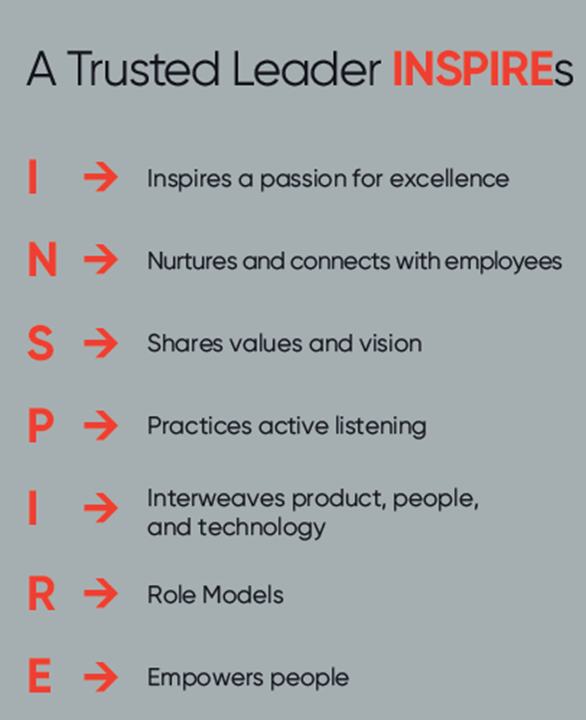
A Trusted Leader INSPIREs

In an era marked by unprecedented global challenges, the call for extraordinary and courageous leadership echoes louder than ever before. As revealed by Edelman’s 2023 Trust Barometer, economies worldwide find themselves in a precarious situation, grappling with the far-reaching effects of global conflicts that threaten markets. In this volatile landscape, business leaders are compelled to redefine their skill sets to not only weather the storm but also thrive. This transformation demands a closer look at the role of emotional intelligence in shaping effective and competitive business leadership.

Defining the New Skill Set:

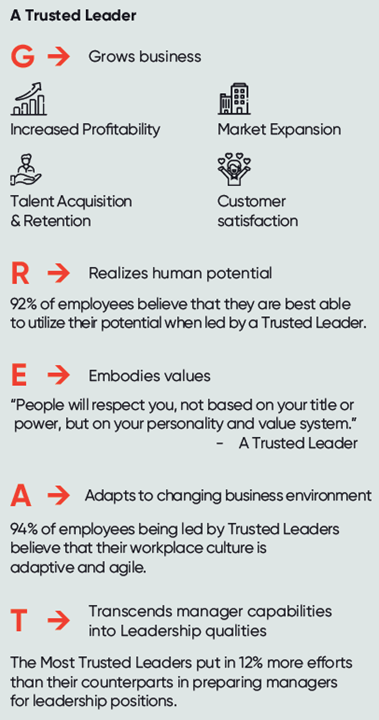
A Trusted Leader

The tides of change necessitate a fresh set of leadership tenets, with compassion taking center stage. In a world fraught with uncertainties, leaders must embody empathy for the challenges their teams face. Compassion becomes the catalyst for cultivating a supportive workplace culture that fosters resilience and unity. Learning emerges as the second pillar of this new skill set. As markets evolve and disruptions become the norm, leaders must adopt a continuous learning mindset. Embracing change and nurturing a culture of curiosity and adaptability are essential for staying ahead in this dynamic environment.

Humility, often overlooked but of immense significance, constitutes the third element. In an era of complexity, acknowledging one’s limitations and valuing diverse perspectives become critical. Humble leaders inspire trust and openness, creating an environment conducive to innovation.

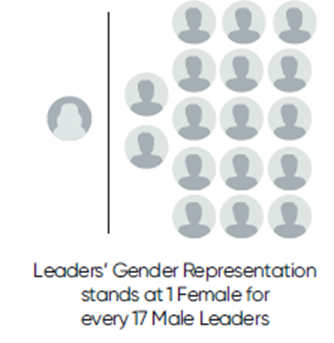
1 Female Leader for Every 17 Male Leaders

Our India’s Most Trusted Leaders 2023 report sheds light on the persistent gender gap, with just one female leader for every 17 male leaders. This underscores the urgency for cultivating responsible, effective, and trustworthy leadership to bridge this glaring disparity.

The Impact of Remote Work:

The seismic shift toward remote work has redefined the dynamics of leadership. The absence of regular in-person interactions has fueled concerns about performance and productivity. Some leaders, succumbing to productivity paranoia, resort to invasive monitoring methods. The insistence on a return to the traditional office setup reflects a struggle to adapt to evolving work norms. Navigating this terrain requires leaders to embrace emotional intelligence as a tool for understanding and addressing the unique challenges presented by remote work.

Cascading Leadership Values:

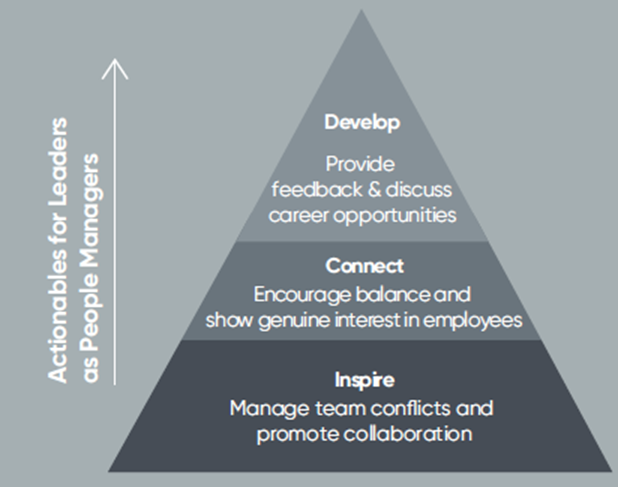
Actionables for Leaders as People Managers

Gone are the days of top-down leadership; the modern workplace demands a more egalitarian approach. Every employee, irrespective of their hierarchical position, is a potential leader. This shift emphasizes the need to foster a culture where leadership skills are not confined to a select few but permeate every level of the organization. Even individual contributors, without direct reports, play pivotal roles as project leaders or collaborators, leveraging their leadership skills to drive initiatives across departments.

Emotional Intelligence as the Game-Changer:

At the heart of this paradigm shift is emotional intelligence (EI). EI encompasses self-awareness, self-regulation, empathy, and social skills. Leaders who harness the power of EI create workplaces that are not only resilient but also innovative. Honesty and trust are fostered by leaders who are self-aware enough to recognize their own advantages and disadvantages. Self-regulation allows them to navigate challenges with composure, setting the tone for the entire organization.

Empathy, a cornerstone of emotional intelligence, is crucial in understanding the diverse needs and challenges of a remote workforce. Leaders who empathize create a sense of belonging, driving engagement and loyalty. Social skills, the final component of EI, enable leaders to communicate effectively, resolve conflicts, and build strong, collaborative teams.

The current global landscape demands leaders who can navigate uncertainties with grace and resilience. The new skill set for leadership, grounded in compassion, learning, and humility, is essential for success. Organizations must prioritize cultivating leaders who embody these qualities to bridge gender gaps and foster trust. The impact of remote work requires a nuanced approach that embraces emotional intelligence.

As leadership values cascade through every level of the organization, emotional intelligence emerges as the game-changer. Leaders who prioritize EI create adaptive, collaborative, and innovative workplaces. In this era of extraordinary challenges, leveraging the power of emotional intelligence is not just a choice; it’s a strategic imperative for businesses aiming not only to survive but to thrive in the face of uncertainty. In embracing this transformative approach to leadership, organizations can position themselves not only as survivors but as pioneers, shaping the future of business in an ever-evolving world.

In the dynamic realm of digital marketing, the art of storytelling has transcended mere content creation, emerging as a powerful tool for brand authenticity and engagement. Among the myriad ways to tell a brand’s story, featuring narratives from your own employees on social media stands out as a genuine and impactful approach. In this article, we’ll delve into the why, the how, and the creative nuances of sharing employee stories, expanding upon each point to guide you through crafting compelling narratives that resonate with your audience.

Why Feature Employee Stories on Social Media?

As the digital landscape becomes increasingly saturated with content, consumers yearn for more than just a transactional relationship with a brand. They seek authenticity, transparency, and a connection that transcends the traditional buyer-seller dynamic. Employee stories provide a window into the human side of your organization, creating a relatable narrative that fosters trust and loyalty among your audience.

The impact of employee stories extends beyond immediate customer relations; it significantly contributes to building a robust employer brand. In an era where talent acquisition is fiercely competitive, potential hires are drawn not only to the job role but also to the company culture. Authentic employee stories act as a beacon, attracting top talent that resonates with the values and ethos of your organization.

According to our India’s Nation Builders 2023 report, a staggering 86% of employees take pride in sharing their affiliation with the organization. This statistic underscores the inherent value and positive sentiment that employees associate with being part of a workplace community.

Social Media Marketing vs. Traditional Marketing: A Paradigm Shift

To understand the significance of featuring employee stories on social media, it’s essential to contrast it with traditional marketing methods. Traditional marketing often operates on a one-way communication model, delivering messages to a passive audience. In stark contrast, social media marketing thrives on two-way communication, where engagement and interaction are pivotal.

By showcasing employee stories, you move beyond the transactional nature of traditional marketing. Social media becomes a platform for dynamic conversations, creating a community that engages with your brand on a personal level. It’s not merely about promoting a product or service; it’s about building relationships and fostering a sense of belonging within your audience.

Social Media Marketing vs. Traditional Marketing: A Paradigm Shift

To understand the significance of featuring employee stories on social media, it’s essential to contrast it with traditional marketing methods. Traditional marketing often operates on a one-way communication model, delivering messages to a passive audience. In stark contrast, social media marketing thrives on two-way communication, where engagement and interaction are pivotal.

By showcasing employee stories, you move beyond the transactional nature of traditional marketing. Social media becomes a platform for dynamic conversations, creating a community that engages with your brand on a personal level. It’s not merely about promoting a product or service; it’s about building relationships and fostering a sense of belonging within your audience.

Attracting Top Talent with Employee Stories

1. Create Interactive Content

Posting engaging questions alongside employee stories serves a dual purpose. Firstly, it encourages active participation, turning your audience from passive consumers into active contributors. Secondly, it allows your audience to share their own perspectives, fostering a sense of community and dialogue around your brand.

2. Encourage Team Reshares

The power of collective engagement should not be underestimated. Encouraging team members to reshare your company’s posts creates a ripple effect, enhancing social traction and extending your reach to a broader audience. This not only amplifies the impact of your employee stories but also cultivates a united front that showcases the strength of your organizational culture.

3. Respond and Keep the Conversation Alive

The importance of active engagement cannot be overstated. Responding promptly to comments and messages demonstrates that your organization values feedback and is committed to open communication. This level of interaction not only strengthens your relationship with existing customers but also provides a positive impression for potential employees.

Guidelines for Sharing Employee Stories

Respecting your employees’ privacy is paramount. Before sharing any employee story, it’s crucial to obtain informed consent. This involves not only seeking permission but also providing a clear understanding of how and where the story will be shared. This ensures that employees are comfortable with the level of exposure and transparency.

2. Respect Privacy and Be Authentic

Authenticity is the linchpin of successful storytelling. Audiences can discern when a story has been overly edited or manipulated, leading to a loss of trust. To overcome this challenge, it’s imperative to let your employees’ voices shine through. Avoid excessive editing, enabling the stories to resonate as genuine and relatable experiences.

3. Provide Support

Some employee stories may involve overcoming challenges or difficult experiences. In such cases, it is crucial to provide ongoing support and resources not only for the individuals involved but also for others within the organization who may be facing similar situations. This proactive approach reinforces the commitment to employee well-being and fosters a supportive workplace culture.

Success Metrics for Employee Stories on Social Media

1. Engagement Metrics

Likes, shares, comments, and reactions serve as tangible indicators of how well your audience is responding to employee stories. High engagement rates signify that your content is striking a chord with your audience, creating a positive impact.

2. Reach and Impressions

While engagement metrics focus on interactions, reach, and impressions, they shed light on the breadth of your audience. A higher reach indicates that your stories are resonating beyond your immediate followers, potentially reaching and influencing a wider pool of potential customers and employees.

3. Qualitative Feedback

Beyond quantitative metrics, qualitative feedback in the form of comments and messages offers invaluable insights into how your audience perceives your company stories. This qualitative data provides a nuanced understanding of the emotional resonance and impact of your storytelling efforts.

According to our India’s Great Mid-size Workplaces 2023 report, Leadership Excellence is identified as a key driver of organizational success. Cultivating a culture of continuous improvement, developing strong leaders, attracting top talent, delivering on promises, and demonstrating integrity collectively inspire confidence among employees. Further findings also highlight the importance of Personal Fulfilment. Empowering individuals to be appreciated, proud, authentic, and aligned with the organization’s goals leads to a positive and fulfilling work experience.

Analyzing Success Metrics and Overcoming Challenges

Analyzing social media metrics over time is essential for refining your storytelling strategy. By understanding which types of stories resonate most with your audience, you can tailor your content to maximize impact. A/B testing offers a valuable tool for comparing the performance of different types of posts, providing actionable insights for future campaigns.

While success metrics are critical, it’s crucial to view them as part of a larger employer branding strategy. The ultimate goal extends beyond high engagement or reach; it is to build a robust employer brand that attracts and retains top talent over the long term.

Challenges and Solutions

Sharing employee stories on social media presents its unique set of challenges. Privacy concerns, the risk of appearing overly promotional, and maintaining consistency are key hurdles to navigate.

1. Overcoming Privacy Concerns

Businesses should prioritize obtaining informed consent from employees before sharing their stories. Informed consent involves transparent communication about how and where the story will be shared, along with the right for the employee to review and approve the content before it’s posted. This proactive approach not only respects privacy but also empowers employees to have agency over their narratives.

2. Ensuring Authenticity

Authenticity is the heartbeat of impactful storytelling. To overcome the challenge of appearing overly promotional or edited, businesses should aim to share stories in the employees’ own words as much as possible. This approach lends an air of genuineness to the narratives, fostering a connection between the storyteller and the audience.

3. Consistency in Content Creation

Maintaining a consistent stream of employee stories can be challenging, particularly for smaller businesses. To overcome this hurdle, businesses can implement a structured content calendar.

This calendar can include themed months featuring different departments or roles each month to ensure a diverse range of stories. Encouraging employees to contribute their narratives also fosters a sense of collective storytelling, distributing the workload and maintaining a steady flow of content.

5 Creative Ways to Feature Employee Stories on Social Media

1. Employee Social Media Take-Overs

Empower your employees by handing over the reins of your social media accounts for a day. Whether through a “day in the life” on TikTok, an interactive Twitter chat, or an Instagram ‘Ask Me Anything,’ this approach humanizes your brand by letting employees speak for themselves.

2. Participate in Theme Days for Maximum Reach

Global theme days or themed weeks/months on social media are golden opportunities. They provide focused content topics and enable your brand to participate in a global conversation. Days like Employee Appreciation Day or World Mental Health Day are perfect occasions to align your employee stories with broader themes, showcasing how your workplace contributes positively to the world.

3. Think Beyond the Workplace

Great workplaces understand that employees have lives beyond the office. While acknowledging and praising employees for their hard work is essential, extending that acknowledgment to their activities outside of work adds a personal touch. Whether it’s volunteering, unique hobbies, or talents, showcasing the multifaceted nature of your employees reinforces the idea that your business prioritizes the individuality of its people.

4. Share Your Stats for Transparency

Numbers, when presented effectively, can be eye-catching on social media. Utilize visually appealing graphics such as graphs or infographics to showcase statistics that set your company apart. This could include metrics like the number of women in leadership positions, salary comparisons, or insights from employee pulse surveys. By presenting key numbers in a visually appealing format, you make data engaging and accessible to your audience.

5. Use Banners and Filters for Playful Posts

Filters and interactive elements aren’t reserved solely for personal use. Platforms like Instagram Stories and TikTok offer features such as filter games, which can be creatively adapted for your brand. Incorporate playful elements into your posts, such as filters that reveal interesting facts about your employees or banners that highlight achievements. This adds a fun and interactive dimension to your storytelling efforts.

Transformative Impact of Employee Stories

Crafting and sharing employee stories on social media is an art that, when executed effectively, can transform your brand into a magnet for top talent and engaged customers. By navigating challenges, staying authentic, and embracing creativity, your company can inspire and connect with a broader audience, creating a narrative that extends beyond products and services to the very heart of your organization – your people. In an era where relationships matter as much as transactions, the stories you tell become the threads that weave the fabric of a thriving, connected community.