We’ve all heard it before: “Good job!” or “Thanks for your hard work.” These are perfectly fine phrases, but in the world of building trust and fostering a truly exceptional workplace, they fall a bit short. While many companies have employee recognition programs, these often become stale and impersonal. So how do we move beyond “fine” and create a culture of gratitude that builds a fortress of trust?
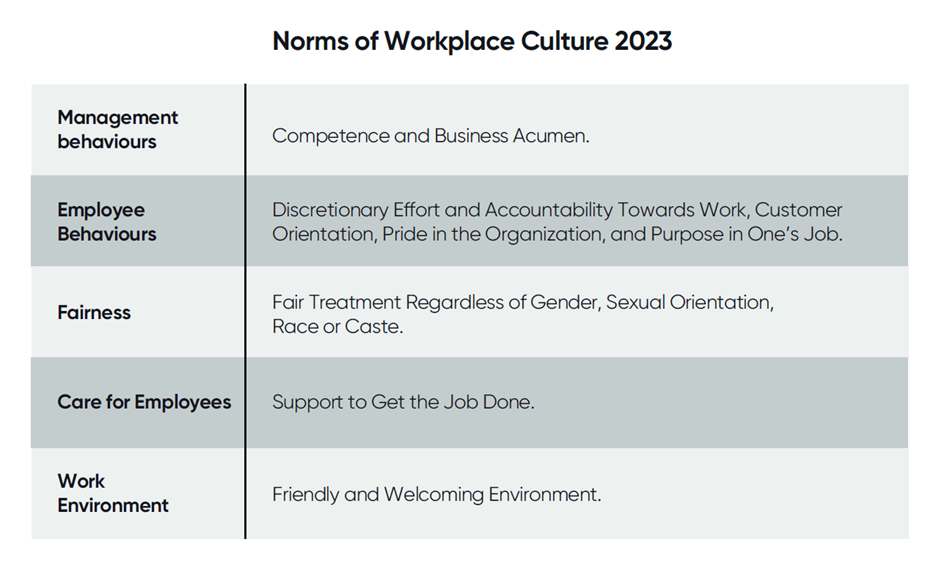
Norms of Workplace Culture 2023

Source: 100 Best Companies to Work For

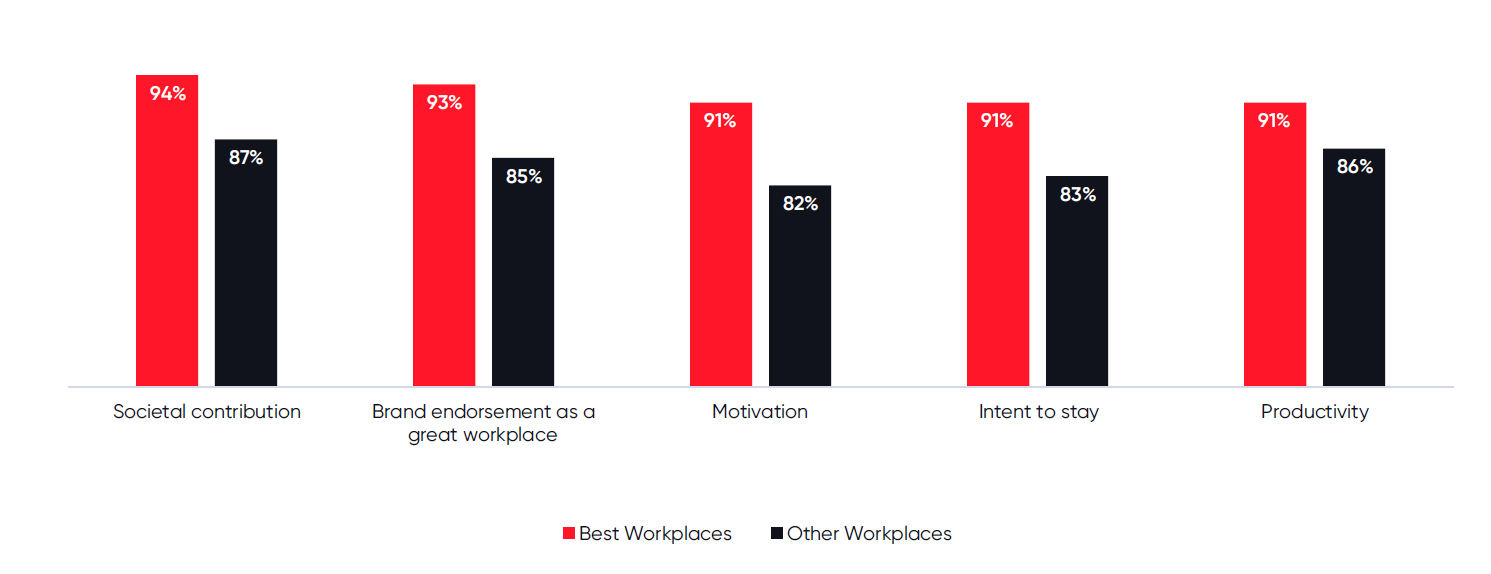
The answer lies in understanding that thanking is an active leadership behavior. It requires genuine effort and a shift in perspective. Companies recognized as Best Workplaces™ continued to shine in 2023. They excelled in offering fair compensation practices, shared profits with employees, and fostered improved work environments. This widened the gap between these top workplaces and others. As a result, Best Workplaces received significantly more positive feedback from employees in 2023, with an average increase of 10%. Here’s why expressing gratitude makes all the difference: 

  • Uniquely You: The best leaders take the time to learn about their team members. What are their passions, strengths, and contributions? Recognizing these unique qualities shows genuine appreciation and makes the thank you more meaningful. 
  • Beyond “Employee of the Month”: Forget the singular hero mentality. The most successful companies thank everyone for their contributions, big and small. This ensures everyone feels valued and motivates them to keep contributing their best. 
  • The Habit of Gratitude: A sincere expression of thanks goes a long way, but it can’t be a one-off gesture. Thanking needs to be habitual and sustained, woven into the very fabric of the company culture. 

Taking Recognition from “Good” to “Great”
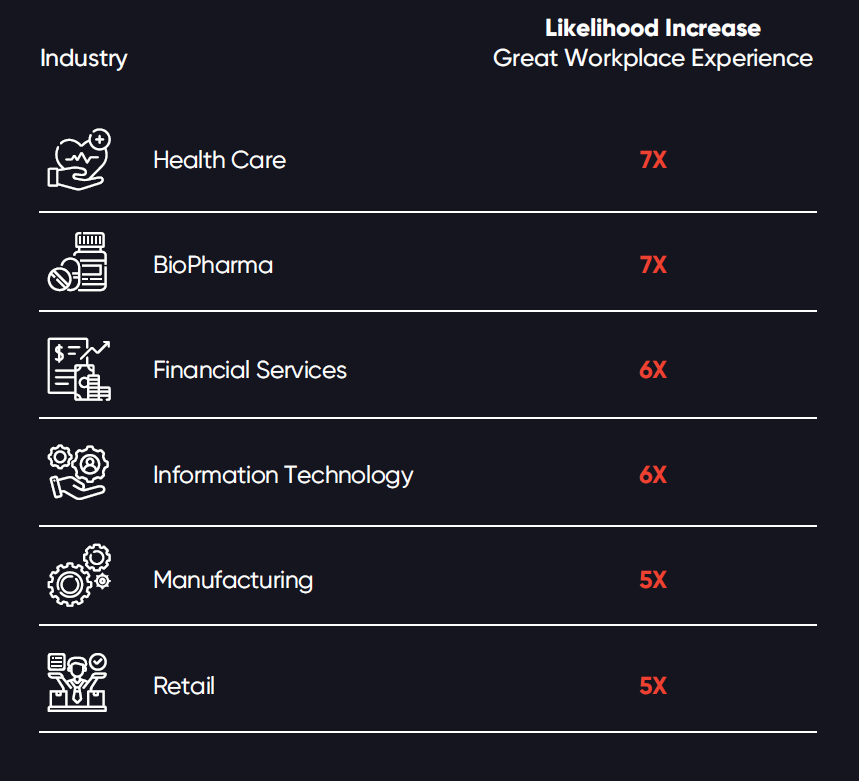
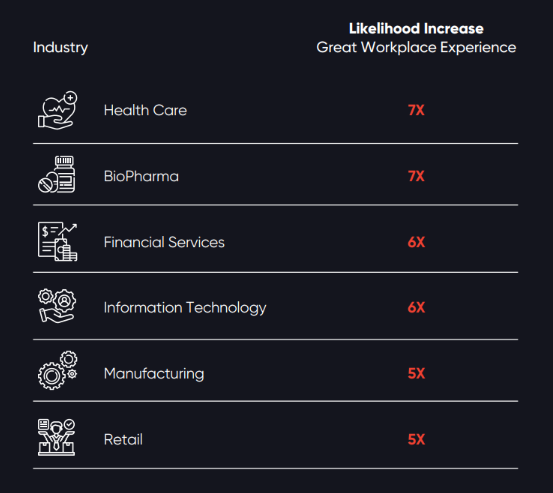
Showing Likelihood Increase Great Workplace Experience for various industries like Health Care and BioPharma being 7X. Financial Services and Information Technology being 6X. Manufacturing and Retail being 5X.

So how do we elevate gratitude from “fine” to “fantastic”? Here are some secrets employed by Best Workplaces to build trust through meaningful recognition: 

  • Breaking Down Barriers: Traditional recognition programs often overlook valuable contributions. They may prioritize specific business metrics or be limited by technology that excludes certain voices. To ensure everyone is included, remove these barriers
  • Weaving Recognition into Everyday Work: Recognition shouldn’t be a special event. Make it a natural part of daily business operations. Integrate it into work processes and encourage team members to acknowledge each other’s efforts. 
  • The Power of Measurement: Track your recognition efforts. See who’s participating, the types of recognition offered, and the impact on team morale. Use this data to refine your approach and incentivize active participation
  • Embrace the Unexpected: Prevent recognition from becoming predictable and forgettable. Get creative! Public praise, handwritten notes, or personalized gifts all add a special touch. 
  • Personalization is Key: What motivates one employee might leave another cold. Tailor your recognition to individual preferences. A thoughtful gesture, no matter how small, shows you truly appreciate their contributions. 

Building a Culture of Gratitude 

By incorporating these tips, leaders can transform a “fine” recognition program into a powerful tool for building trust and fostering a thriving workplace. Here’s what you gain: 

  • Increased Employee Engagement: When employees feel valued, they’re more likely to be invested in the company’s success. 
  • Improved Morale and Collaboration: Gratitude fosters a positive, supportive environment where collaboration flourishes. 
  • Enhanced Productivity and Innovation: Employees who feel appreciated are more likely to go the extra mile, leading to greater innovation and productivity. 

The Takeaway 

Moving beyond a culture of “fine” is within your reach. By actively expressing gratitude and implementing these strategies, you can build a fortress of trust within your team, one sincere thank you at a time. Remember, creating a thriving workplace starts with recognizing the value each individual brings to the table. 

Ready to take your gratitude game to the next level? 

Building a culture of appreciation takes continuous learning and effort. Download our community app to connect with like-minded leaders, share best practices, and access a treasure trove of resources designed to help you create a truly exceptional workplace. 
The modern workforce is a beautiful tapestry woven with threads of experience. From seasoned Baby Boomers to digitally native Gen Z, companies are navigating a multigenerational landscape. But this diversity presents a challenge: Can we create a one-size-fits-all work-life balance policy that caters to everyone’s needs? The answer is a resounding NO

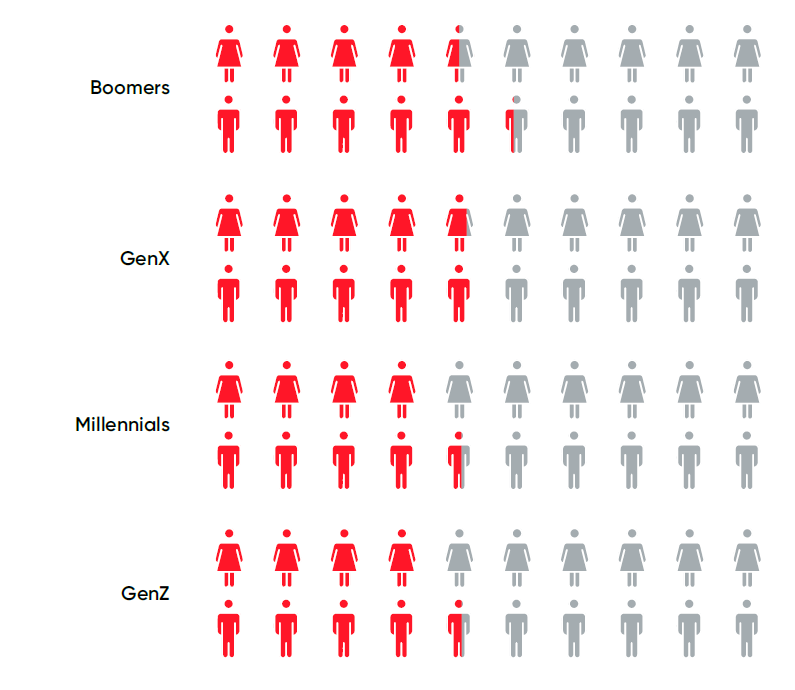
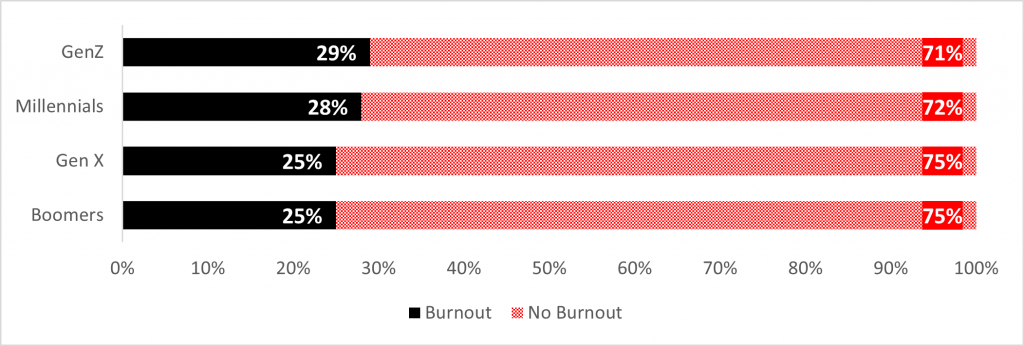
Graph showing Burnout and No Burnout levels of GenZ, Millennials, Genn X and Boomers.

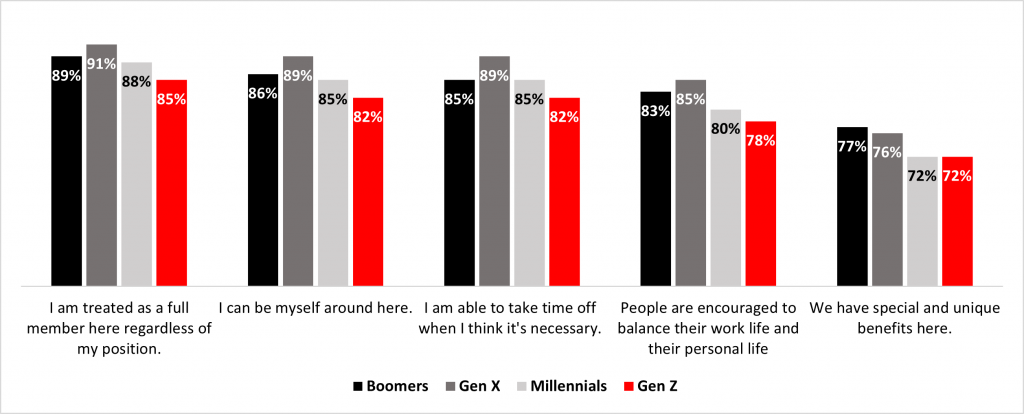
Our data paints a clear picture: Boomers and Gen X report lower burnout rates compared to Millennials and Gen Z. This suggests younger employees might face steeper hurdles in achieving work-life harmony. Similarly, Boomers feel more valued and supported at work, perhaps due to established positions or a workplace culture that prioritizes experience. Meanwhile, Gen Z and Millennials report lower agreement on being able to take time off or feeling encouraged to balance work and life – highlighting a potential gap in policies that support their needs for flexibility. 

Graph showing different levels of Boomers, Gen X, Millennials and Genz answering statements like: I am treated as a full member here regardless of my position, I can be myself around here, I am able to take time off when I think it's necessary, People are encouraged to balance their work life and their personal life and We have special and unique benefits here.

Interestingly, all generations express a similar sentiment: a lack of “special and unique benefits”. This suggests companies might be missing the mark when it comes to offering perks that resonate with their diverse workforce. A generic approach simply won’t cut it. 

So, how do we bridge this generational divide and create a work environment that thrives on inclusivity? Here are some key strategies: 

  • Embrace Flexible Working Arrangements: 

Flexibility isn’t a one-dimensional concept. For younger generations, it might mean remote work or flexible hours. Older workers might value predictable schedules or part-time options as they approach retirement. Companies can cater to this diversity by offering a range of working arrangements – remote work, flextime, compressed workweeks, and part-time opportunities. Remember, the key is to make these options accessible to everyone and avoid perceptions of unfairness. 

  • Foster Open Communication: 

An environment where employees feel comfortable sharing their work-life challenges is crucial. Regular check-ins and feedback sessions empower managers to understand individual preferences and tailor support accordingly. Cross-generational mentorship programs are another win-win. They facilitate knowledge transfer, dismantle stereotypes, and foster mutual understanding across generations. 

  • Offer Customizable Benefits: 

A “one-size-fits-all” benefits package simply doesn’t work for a multigenerational workforce. Employees at different life stages have different needs. Consider offering a cafeteria-style plan where employees can choose benefits that best suit their situation. Don’t forget mental health! Include benefits that focus on well-being, such as counseling services, wellness programs, and workshops on stress management. Remember, mental health is a priority across all generations. 

  • Promote Work-Life Integration: 

Respecting boundaries is key. Encourage managers and teams to disconnect from work outside of business hours, especially for those working remotely or flexibly. Additionally, providing support for life milestones like parental leave, caregiving assistance, or sabbaticals for personal growth demonstrates your commitment to employee well-being and can significantly boost loyalty and satisfaction. 

  • Cultivate an Inclusive Culture: 

Celebrate the unique strengths that each generation brings to the table. Recognize generational diversity as an asset, not a liability. Organize events that celebrate different cultures and backgrounds and encourage employees to share stories that foster a sense of belonging. When making decisions, especially those related to work-life balance and flexibility, involve employees from all generations. This ensures a well-rounded approach that considers diverse perspectives. 

  • Leverage Technology Wisely: 

Equipping all employees with the latest productivity and collaboration tools and trainings are essential for a smoothly functioning flexible work environment. However, don’t let technology replace human interaction entirely. Create opportunities for face-to-face meetings and gatherings to maintain team cohesion and company culture. 

By implementing these strategies, companies can move away from a one-size-fits-all approach and create a work environment that bridges the generational gap. A workforce that feels valued, supported, and empowered to achieve work-life balance is a recipe for success. It’s time to celebrate our differences and leverage them to build a more vibrant, productive, and inclusive workplace for all. 

India’s economic rise in recent years is undeniable. A young and energetic workforce, a flourishing startup ecosystem, and government initiatives promoting business, investment, and sustainable development have all been instrumental in this growth story. However, the future holds both challenges and opportunities. A potential global slowdown, geopolitical uncertainties, and rapid technological advancements paint a volatile external environment. Despite these hurdles, studies project India’s resilience, with projections placing it on track to become the world’s third-largest economy, up from its current fifth position. This ambition is further solidified by India’s leadership of the G20 this year, focusing on technological transformation, inclusive development led by women, innovation, and strengthened international cooperation.

But true transformation demands more than just economic prowess. To achieve greatness, India needs to become a Great Place To Work® For All™. This necessitates a collective effort by India Inc. leaders to ensure a virtuous cycle – a positive employee experience fuels organizational growth, which in turn benefits society. While seemingly daunting, research reveals a timeless approach: leveraging Talent, Technology, and Trust to build a High-Trust, High-Performance Culture.

The Trust Deficit: A Challenge and an Opportunity

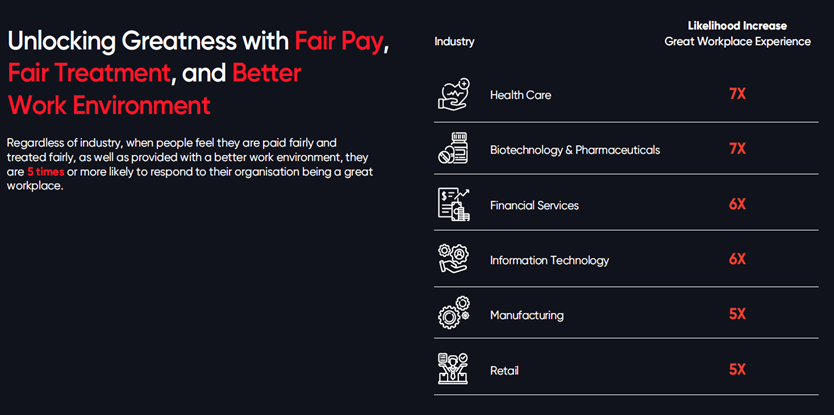
Fair Pay, Fair Treatment, and Better Work Environment in great workplaces.

Industry trust levels reveal a significant potential for cultural enhancement. Regardless of industry, when employees feel fairly compensated, treated with respect, and offered a superior work environment, they are 5 times or more likely to report their organization as a great workplace. This highlights the importance of fostering trust as a cornerstone of a thriving workplace.

Tech Synergy and Strong Leadership: Fueling Innovation

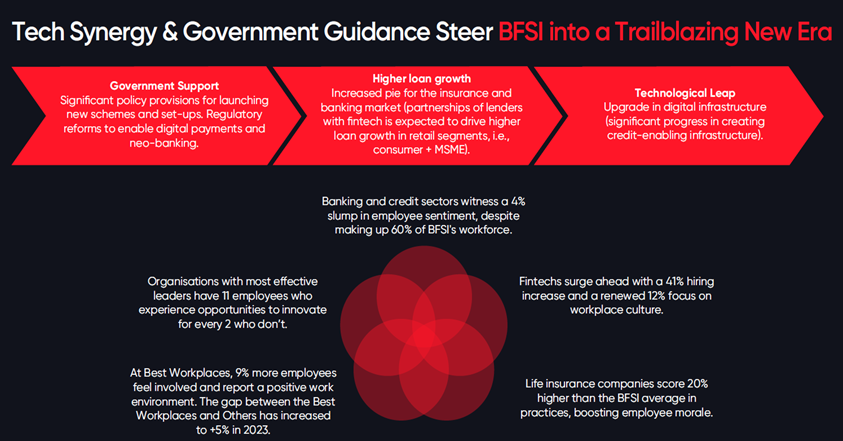
Tech Synergy and Government Guidance Steer BFSI into a Trailblazing New Era

Technology plays a crucial role in building trust and empowering a high-performance culture. The BFSI sector exemplifies this synergy. Here, technology advancements combined with effective leadership have ushered in a new era of innovation. Organizations with most effective leaders have 11 employees who experience opportunities to innovate for every 2 who don’t. Technology empowers organizations to create a superior employee experience through:

  • Personalized Learning and Development: Platforms that cater to individual learning styles and career aspirations.
  • Streamlined Workflows: AI-powered tools that automate mundane tasks, freeing up employee time for more strategic endeavors.
  • Enhanced Collaboration: Communication platforms that bridge geographical divides and foster a sense of belonging.
  • Work-Life Balance: Technology enables flexible work arrangements, catering to diverse needs and promoting work-life balance.

Building Psychological Safety and Fostering Inclusion

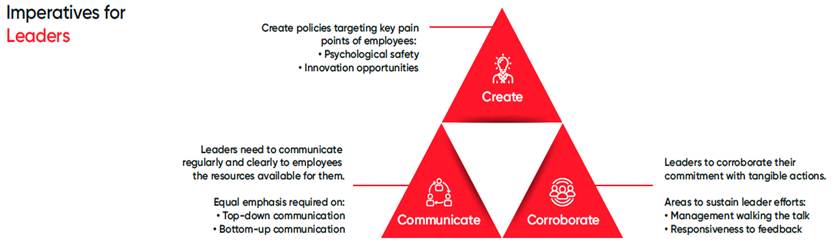
Create, Communicate and Corroborate Imperatives for Leaders

While workplaces today prioritize physical safety, ensuring psychological safety – where employees feel comfortable taking risks, admitting mistakes, and offering ideas without fear of retribution – remains a challenge. This is critical for fostering innovation, as evidenced by the 4-point drop in the percentage of employees who believe they have opportunities to innovate at work from 2022.

Creating a Great Place To Work for All: An Imperative

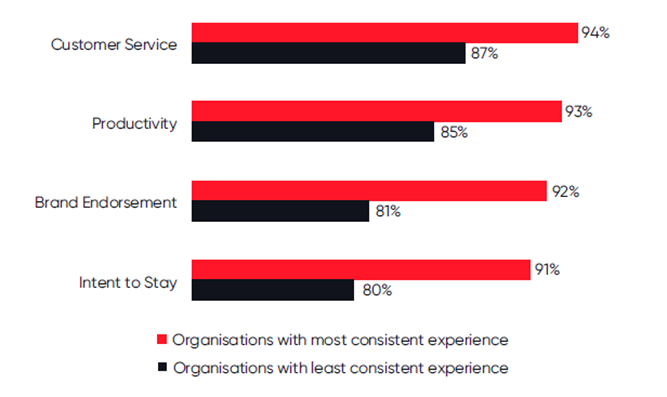
Graph about organizations with most vs least experience

Building a Great Place To Work For All goes beyond just physical safety and basic needs. It necessitates a commitment to diversity, equity, and inclusion. Organizations should strive to create welcoming and beneficial workplaces that:

  • Offer consistent high-trust experiences across all demographics.
  • Embed inclusivity in programs and practices.
  • Dedicate efforts to equity, ensuring fairness and opportunity for all.
  • Build a sense of belonging, value diversity, and recognize individual contributions.
  • Strategically nurture a diverse range of leaders, fostering an inclusive culture.

The Business Case for a High-Trust Culture

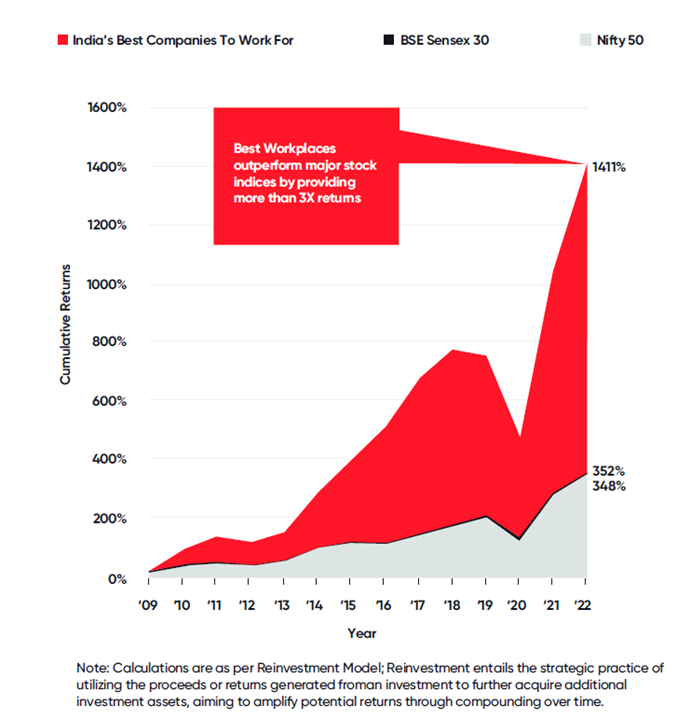
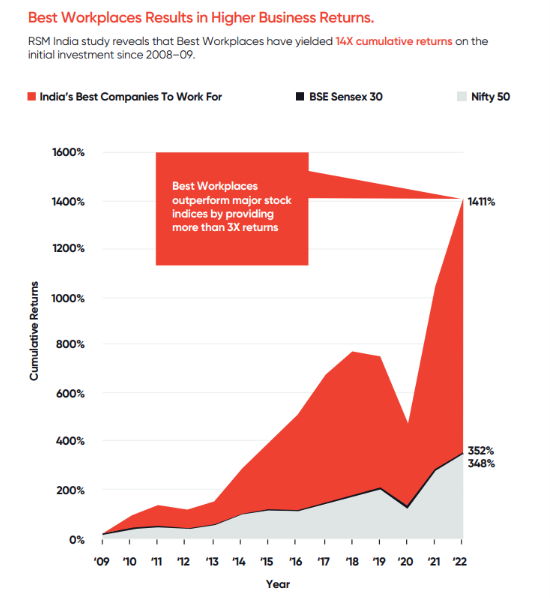
Best Workplaces outperform major stock indices by providing more than 3X returns

The benefits of a High-Trust, High-Performance Culture extend far beyond employee satisfaction. A study by RSM India reveals that Best Workplaces™ have yielded a staggering 14X cumulative return on investment since 2008-09. This demonstrates the clear link between a positive work environment and strong financial performance.

Innovation: A Catalyst for Growth

Workplace innovation is a catalyst for growth, driving benefits across three key areas:

  • Better for People: Innovation fosters personal development, strengthens leadership confidence, and enhances the overall work environment.
  • Better for Business: It cultivates agility, operational excellence, and fosters pride among employees, leading to increased productivity and a stronger market position.
  • Better for the World: Innovation uplifts morale and efficiency, granting organizations a strategic advantage and nurturing a dynamic, inclusive environment with a global impact.

Conclusion: The 3Ts – A Roadmap to the Future

By harnessing the power of Talent, Technology, and Trust (the 3Ts), India can not only solidify its position as the world’s third-largest economy but also become a Great Place To Work For All.

Every year, International Women’s Day sparks conversations and initiatives celebrating women’s achievements. While these are important, truly honoring women goes far beyond a single day – it demands a commitment to building a work environment where they can thrive, not just survive. This year let’s move beyond performative gestures and turn our attention to the stark reality: women remain significantly underrepresented in leadership roles, and their career progression faces unique challenges.

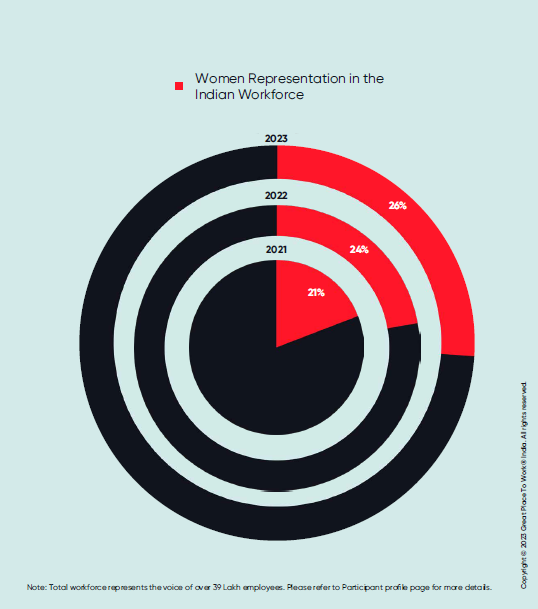
Women representation in the Indian Workforce

Our latest report reveals a concerning trend: women account for only 26% of the workforce, with an even smaller presence (16%) in senior leadership. This begs the crucial question – what can be done to retain talented women and empower them to reach their full potential?

Career advancement isn’t just about training and promotions. It’s a multi-faceted journey that requires dismantling cultural barriers, fostering inclusion, supporting parenthood, and offering comprehensive leave policies. Studies show that companies investing in leadership training for women see a 2.2x increase in retention, highlighting the power of empowering and investing in their future.

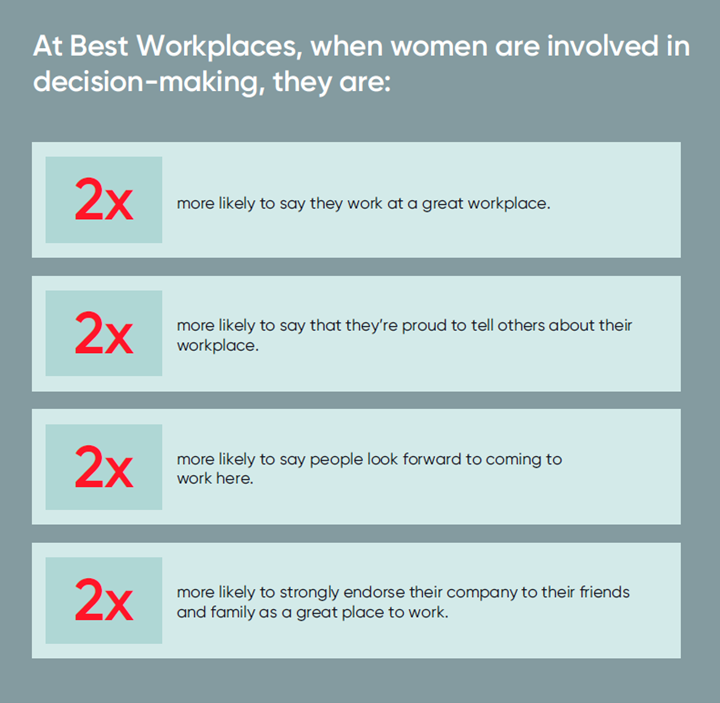
2x Outcome when women are involved in decision making.

Furthermore, organizations recognized as Great Place To Work® for Women deliver significantly more positive workplace experiences for their female employees. This translates to a remarkable commitment from women to put in extra effort, creating a win-win situation for both individuals and organizations.

So, how can we turn the tide and support women in advancing their careers? Here are some actionable steps:

Redesigning and Upgrading Policies:

  • Supportive leave policies: Implement comprehensive health and medical leave policies that acknowledge and support life transitions like childbirth and childcare. These policies should go beyond the minimum requirements to truly support women during critical life stages.  
  • Inclusive practices: Ensure policies and practices are inclusive of all employees, fostering an environment where everyone feels valued and respected. This may involve reviewing existing policies to identify and eliminate any biases or barriers that may disproportionately affect women. 

Building an Ecosystem for Women Entrepreneurs:

  • Provide resources and support: This could include access to mentorship, funding opportunities, and networking events specifically tailored to women entrepreneurs. By creating a supportive ecosystem, organizations can empower women to take on entrepreneurial ventures with confidence.
  • Promote visibility: Highlight the successes of women entrepreneurs within the organization and beyond, serving as inspiration and encouragement for others considering similar paths.

Capacity Building:

  • Training and development: Offer training and development programs that equip women with the skills and knowledge they need to excel in their chosen fields. This may involve customizing training programs to address the unique challenges and opportunities faced by women in the workplace.
  • Fair pay and promotions: Ensure equal pay for equal work and implement transparent and merit-based promotion processes. Additionally, organizations should actively monitor and address any disparities in pay and promotion rates between men and women.
  • Fair recognition: Acknowledge and celebrate contributions fairly, emphasizing both hard and soft skills within a standardized framework. This may involve establishing clear criteria for recognition and promotion, ensuring that women are not overlooked or undervalued due to unconscious biases.
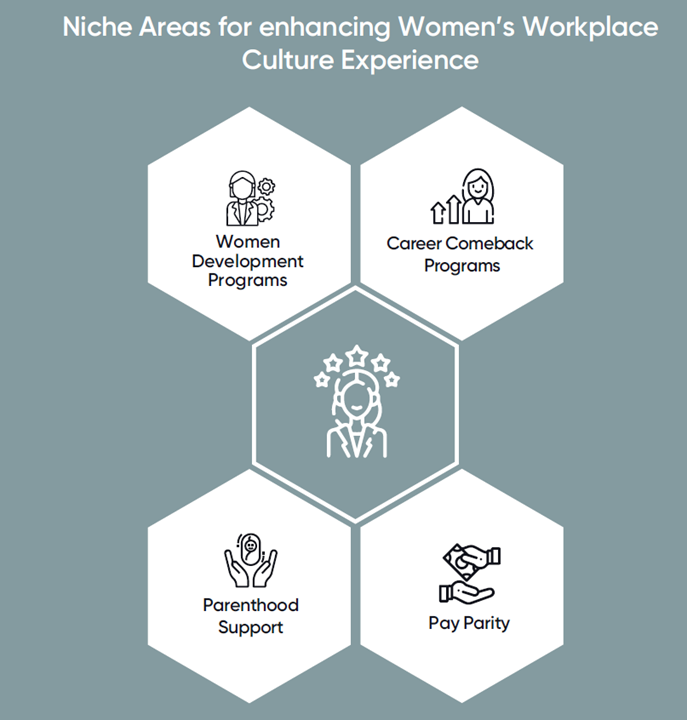
Women develpoment programs, Career comeback programs, Parenthood support, Pay parity are the niche areas for enhancing women's workplace culture experience.

Defining Indicators for Measuring Success:

Go beyond traditional metrics: Move beyond solely focusing on performance and productivity and acknowledge the unique strengths and contributions each individual brings. This may involve developing new metrics or indicators that capture the diverse ways in which women contribute to the success of the organization.

Building Gender Equity at the Workplace:

  • Visibility: Create opportunities for women to connect with leaders and have their voices heard. This may involve implementing mentorship or sponsorship programs that pair women with senior leaders who can provide guidance and support.
  • Embrace potential: Look beyond traditional qualifications and recognize the potential in individuals who may not fit a typical mold. This may involve providing opportunities for women to take on stretch assignments or leadership roles, even if they don’t meet all of the traditional criteria.
  • Amplify women’s voices: Provide platforms for women to share their experiences and perspectives with the entire organization. This may involve hosting events or forums where women can showcase their expertise and insights on topics relevant to the organization.

Learning from Best Practices:

Organizations like Flipkart offer valuable lessons in retaining and empowering women. Their fortnightly review of women’s attrition data, coupled with targeted interventions and safety initiatives, demonstrates a commitment to addressing specific challenges faced by their female workforce.

By taking these steps, we can move beyond mere celebrations and create a work environment where women are truly empowered to excel. Let’s create a future where International Women’s Day isn’t just a day of recognition, but a symbol of a workplace built on genuine equality and opportunity for all. Together, we can build a world where women thrive, not just survive.

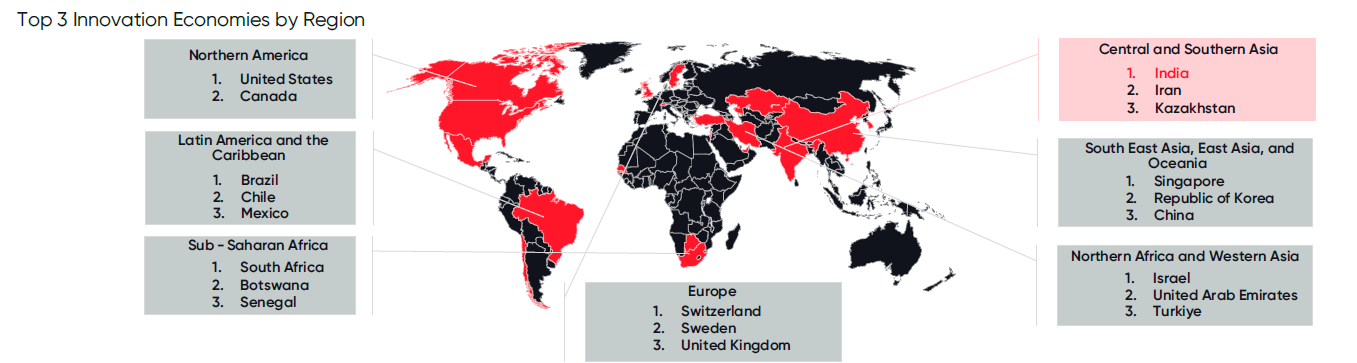
India’s ascent as an innovation leader is undeniable. Boasting a score of 38.1 on the 2023 Innovation Index, the country showcases a burgeoning tech ecosystem that excels at transforming knowledge and technology into tangible solutions. This progress is further bolstered by significant investments in human resources and digital infrastructure, laying the groundwork for a future powered by innovation.

Top 3 Innovation Economies by Region

However, a closer look reveals a crucial element missing from the equation – a truly inclusive innovation culture. Despite a vibrant ecosystem, the perception of innovation culture in India dipped by 2% in 2024, reaching 63%. This indicates a need to bridge the gap between potential and reality.

Innovation Thrives on Inclusivity

Best Workplaces Vs Other Workplaces

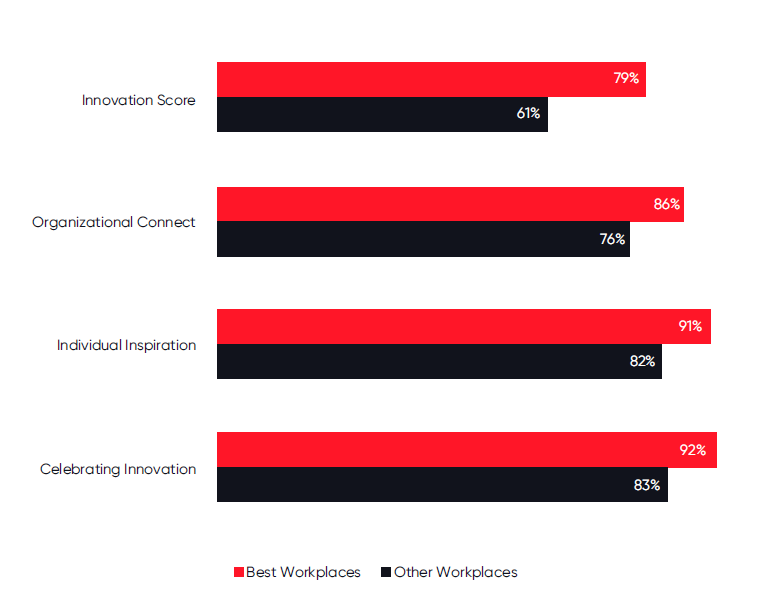
Innovation thrives in an environment where every idea finds a voice. Collaboration across all levels, trust, and structured pathways for ideation are the cornerstones of such a culture. Organizations that foster this environment – Best Workplaces™ as identified in our recent India’s Best Workplaces Building a Culture of Innovation by All 2024 report – demonstrate an impressive 18% lead in innovation metrics. They excel at creating a space for connection, empowering individuals, and celebrating innovation achievements.

The Untapped Potential: Gen Z, Millennials & Women

Here’s where a critical disconnect emerges. At a concerning 40%, innovation opportunities stagnate for Gen Z, Millennials, and Women. These demographics, brimming with potential, often face roadblocks like limited work experience, restricted access to resources, and differing workplace expectations compared to their senior counterparts. Recognizing these dynamics is crucial for organizations aiming to harness the full potential of their workforce and adapt to the evolving needs of the innovation landscape.

For women, the picture is even more concerning. Despite strides towards gender equality, women remain underrepresented in leadership and innovation-driven fields like technology and STEM. Unconscious bias and unequal access to opportunities continue to hinder their participation and success in innovative endeavors.

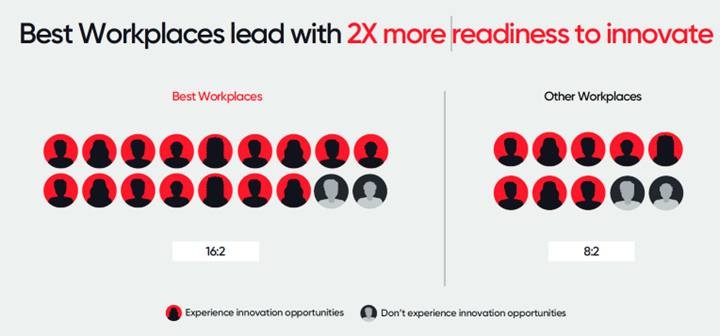
This lack of inclusivity has a ripple effect. Best Workplaces exhibit nearly double the readiness to innovate compared to others. This readiness signifies the ability to provide employees with meaningful opportunities to innovate. However, when Gen Z, Women, and non-managerial staff report limited opportunities, it highlights a glaring need for equitable resource distribution and support systems that nurture creativity across all levels.

Building Bridges: Fostering an Inclusive Innovation Culture

The answer lies in a fundamental shift towards inclusive and equitable innovation practices. Organizations must create a space where everyone feels empowered to contribute. Here are some key steps:

  • Mentorship and Sponsorship Programs: Pair young talent with experienced leaders to provide guidance and support. Sponsors can advocate for their ideas and champion their contributions.
  • Unconscious Bias Training: Actively address unconscious biases that can hinder opportunities for diverse talent.
  • Flexible work arrangements: Cater to diverse needs and work styles to ensure everyone can contribute effectively.
  • Idea Recognition Programs: Create a culture where all ideas are valued and celebrated. Recognize and reward innovative contributions across all levels.
  • Diverse Innovation Teams: Assemble teams with varied backgrounds and perspectives to spark fresh ideas and encourage collaborative problem-solving.

The Power of a Connected and Satisfied Workforce

The correlation between workplace satisfaction and a thriving innovation culture is undeniable. Employees at Best Workplaces report a 5 to 9% higher positive perception of key performance indicators. This highlights a significant relationship between a strong culture of innovation and enhanced employee satisfaction with organizational performance.

Investing in an inclusive innovation culture isn’t just about social responsibility; it’s a strategic imperative. By empowering Gen Z, Millennials, and Women, organizations unlock a wealth of talent and perspectives, fostering a more vibrant and dynamic innovation ecosystem. This, in turn, fuels future growth and propels India towards becoming a true innovation powerhouse.

Remember, innovation is not a privilege for a select few; it’s the collective spark that ignites progress. By embracing inclusivity, we can unlock India’s full innovation potential and illuminate the path to a brighter future.

In today’s India, characterized by high economic growth, enabling leaders to maximize their potential becomes paramount. This is not just about individual success but about fostering a thriving ecosystem where organizations and their people can truly flourish.  

This article evaluates the deeper impacts of “mindful leadership” and explores how it empowers managers to become effective For All Leaders ultimately creating a more meaningful and fulfilling workplace experience for everyone.

The Need for “For All Leadership”  

Our India’s Best Companies To Work For (Top 100) report reveals a compelling statistic: For All Leadership, on average, results in 62% more employees finding meaning in their jobs, making a difference, and creating a better future. This highlights the profound impact a leadership style focused on inclusivity and equity can have on employee engagement and overall company well-being. However, achieving this ideal requires a mindful approach to leadership.  

Mindfulness Empowers Leaders

So, what is mindful leadership? It goes beyond simply having good intentions. It’s about cultivating a state of awareness and presence that allows leaders to become more self-aware, emotionally intelligent, and empathetic. This translates into several key benefits for both leaders and their teams:  

  • Enhanced decision-making: By being present and able to objectively analyze situations, mindful leaders can make sounder judgments that consider diverse perspectives and lead to better outcomes.  
  • Improved communication: Active listening and clear communication are cornerstones of mindful leadership, fostering trust and open dialogue within teams.  
  • Greater resilience: Mindful leaders are better equipped to manage stress and navigate challenging situations with composure and clarity.  
  • Increased self-awareness: By acknowledging their own biases and limitations, mindful leaders can set aside assumptions and approach situations with greater objectivity.  
  • Enhanced emotional intelligence: Mindful leaders are adept at recognizing and understanding their own emotions as well as those of others, fostering deeper connections and building stronger relationships.

The Impact of Mindful Leadership  

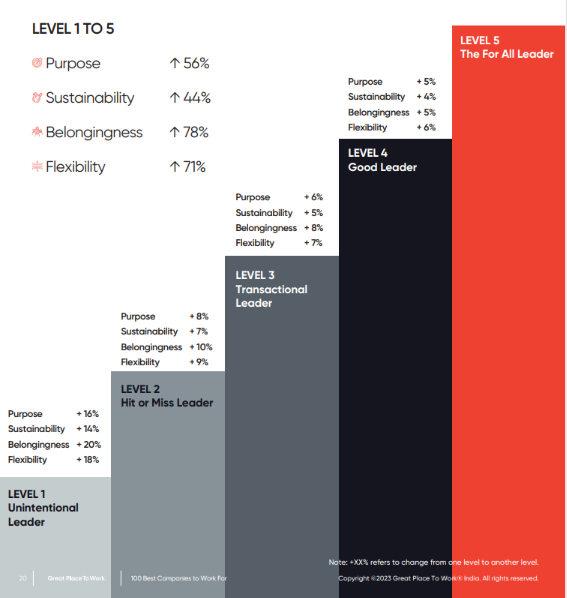
The positive impact of mindful leadership is evident in its transformative effect on employees. Studies show that when leaders transition from an unintentional style to a mindful one, employees experience significant improvements in their work experience:  

  • 56% more employees find special meaning in their jobs.  
  • 44% more employees feel a heightened sense of contribution to society.  
  • 78% more employees feel comfortable being themselves at work.  
  • 71% more employees find it easier to take necessary time off. 
The Impact of Mindful Leadership 

These figures paint a clear picture: mindful leadership empowers individuals, creating a work environment where purpose, self-expression, and well-being are prioritized.

Cultivating Mindful Leadership

The journey toward mindful leadership is not a linear one. It requires continuous learning and self-improvement. Here are a few practices that can help leaders cultivate mindfulness:

  • Meditation: Engaging in regular meditation practices can enhance focus and self-awareness.
  • Mindful breathing techniques: Taking a few mindful breaths in small intervals throughout the day can help manage stress and improve emotional regulation.
  • Active listening: Pay close attention while others speak, avoid interrupting, and demonstrate genuine interest in understanding their perspectives.
  • Journaling: Regularly reflecting on thoughts, feelings, and experiences can provide valuable insights and foster self-awareness.
  • Seeking feedback: Be open to feedback from colleagues and employees to identify areas for improvement and gain different perspectives.

The Future of Leadership

At Great Place To Work® India, we envision a future where biases are transcended, workplaces embody equity and inclusivity, and leaders champion For All Leadership. Mindful leadership serves as a key driver in this vision. By equipping leaders with the tools and practices to cultivate mindfulness, we can create a work world where everyone thrives, feels valued, and can contribute their best selves. Remember: The journey toward mindful leadership is a continuous one, filled with opportunities for learning and growth. Adopting this strategy enables leaders to surpass their own capabilities and enable their teams to attain remarkable achievements, creating a more meaningful and fulfilling

Being ahead of the curve in the changing global innovation landscape demands more than just keeping up. In a world where disruption reigns supreme, Innovation isn’t just a buzzword; it’s the lifeblood of any organization seeking to thrive. While India’s 40th rank in the 2023 Global Innovation Index, published by the World Intellectual Property Organization, paints a promising picture, the true potential for groundbreaking advancements lies within the untapped reserves of creativity and ingenuity residing within your very own workforce. It’s time to unleash the intrapreneur within your employees and cultivate an ecosystem where groundbreaking ideas can blossom and flourish.

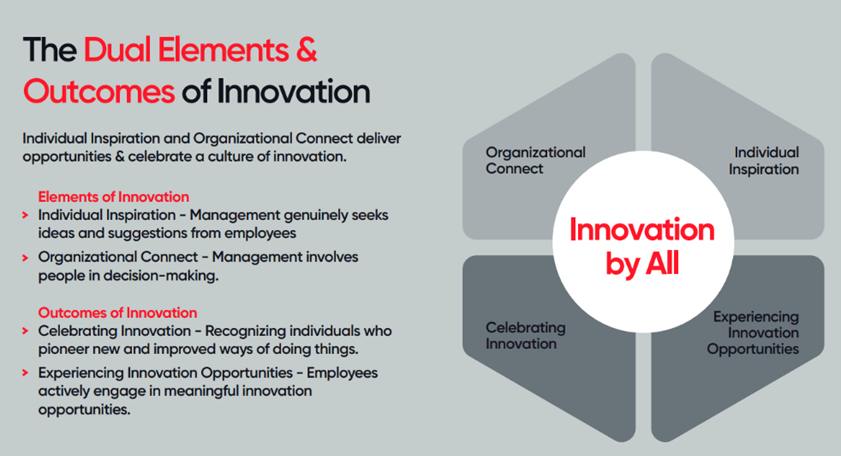
The Dual Elements & Outcomes of Innovation

Individual Inspiration:

Imagine a company where employees aren’t cogs in a machine but valued contributors whose ideas are actively sought and nurtured. This is the power of individual inspiration. Ditch the rigid hierarchies and stifle the “yes-sir” culture that often blocks the scope of Innovation in any organization. Instead, implement open-door policies, create suggestion boxes, and conduct regular brainstorming sessions. Remember, even seemingly insignificant ideas can morph into game-changing solutions. Encourage employees to attend industry conferences, participate in external workshops, and connect with thought leaders. Expose them to diverse perspectives and ignite the spark of curiosity that fuels Innovation. This aligns perfectly with the Individual Inspiration element, as outlined in our Innovation report, where management genuinely seeks ideas and suggestions from employees, encouraging an environment of open discussion and active collaboration.

Organizational Connect:

Innovation thrives in collaboration, not isolation. Break down the proverbial silos that separate departments and foster a culture of organizational connection. Encourage cross-functional teams to tackle challenges together. Organize interdepartmental hackathons where diverse skill sets come together to create unique solutions. Implement knowledge-sharing platforms where employees can exchange ideas, learn from each other’s experiences, and build upon each other’s successes. Remember, the sum is often greater than its parts, and by fostering collaboration, you create a synergy that fuels groundbreaking Innovation. This directly addresses the Organizational Connect element, where management involves people in decision-making and fosters a collaborative environment, as highlighted in our research report.

Celebrating Innovation:

Recognition is the oxygen that keeps the fire of Innovation burning bright. Publicly acknowledge and reward employees who take calculated risks, experiment with new approaches, and challenge the status quo. Celebrate not just the final product but also the journey itself. Recognize the courage to try, the resilience to overcome setbacks, and the valuable lessons learned along the way. Highlight these stories through internal newsletters, company-wide events, and even social media recognition. By celebrating Innovation in all its forms, you send a powerful message: We value your ideas, we appreciate your efforts, and we believe in your potential to make a difference. This directly contributes to the Celebrating Innovation outcome, where individuals who pioneer new and improved ways of doing things are recognized and appreciated.

Experiencing Innovation Opportunities:

Action speaks volumes more than just empty talk. Don’t just talk about Innovation; make it a tangible experience for your employees. Provide them with dedicated time and resources to pursue their ideas. Establish innovation labs where they can experiment freely without the constraints of day-to-day operations. Organize internal hackathons with specific challenges and well-defined goals. Partner with external organizations to provide employees with access to cutting-edge technology and mentorship opportunities. Remember, by giving them a platform to experiment, learn, and fail forward, you empower them to become the true intrapreneurs who drive your company’s future success. This aligns with the Experiencing Innovation Opportunities outcome, where employees actively engage in meaningful innovation initiatives.

The Power of Consistency:

Innovation at Best Workplaces

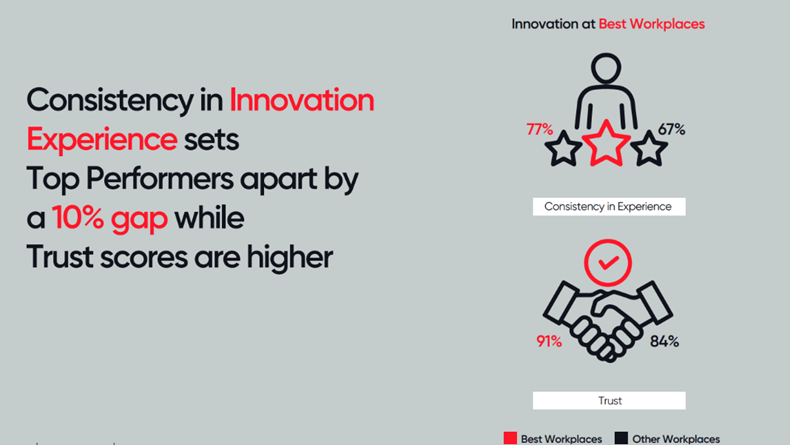
Building a thriving intrapreneurial ecosystem isn’t a one-time event; it’s a continuous journey that demands consistency. Regularly assess your progress through employee surveys, track key metrics like idea generation and implementation rates, and mould your strategies based on the feedback you receive. Remember, creating a culture of Innovation is a marathon, not a sprint. Be patient, be persistent, and celebrate even small wins along the way. Studies show that consistency in the innovation experience sets top performers apart by a 10% gap, while trust scores are also higher in organizations that prioritize continuous innovation efforts. This aligns with the emphasis on consistency mentioned in our report, where it is highlighted that successful innovation ecosystems require ongoing commitment and adaptation.

The Rewards of Trust and Fairness:

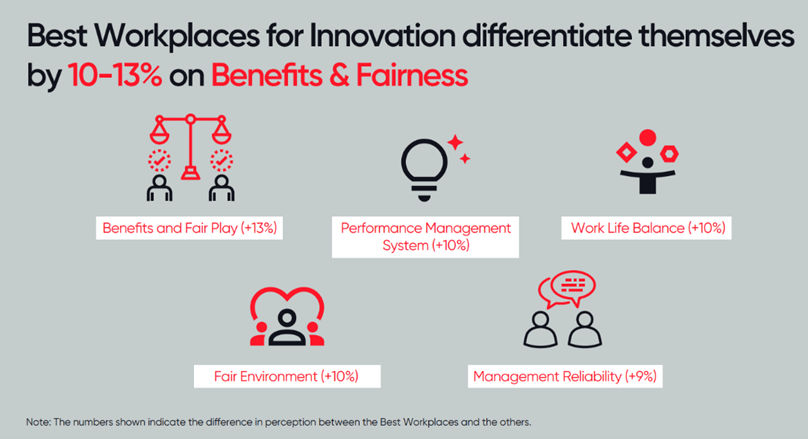
Best Workplaces for Innovation differentiate themselves by 13% on Benefits and Fariness

Remember, trust and fairness are the cornerstones of any successful relationship, and the employer-employee dynamic is no exception. Best workplaces for Innovation differentiate themselves by 10-13% on Benefits & Fairness. When employees feel valued, respected, and secure in their jobs, they’re more likely to invest their energy and creativity into the company’s success. Invest in extensive training and development programs that will ensure your creative employees growth. Provide opportunities for career advancement and internal mobility to keep employees engaged and motivated. Create a work environment where open communication and constructive criticism are encouraged, fostering a sense of psychological safety essential for taking risks and exploring new ideas. By prioritizing trust and fairness, you create fertile ground where Innovation can flourish and contribute to India’s rise in the global innovation landscape.

Ignite the spark of individual inspiration, fuel the fire of organizational collaboration, celebrate the flames of Innovation, and provide opportunities for employees to actively experience the thrill of bringing new ideas to life. With consistency, trust, and a commitment to fairness, you can transform your company into a thriving ecosystem where intrapreneurs blossom and Innovation becomes the driving force behind your success. As India strives to solidify its position as a global innovation leader, remember that the key lies not just in external initiatives but in unlocking the immense potential within your own workforce.

In the dynamic landscape of today’s business world, where change is constant, and growth is the ultimate objective, the role of talent cannot be overstated. A company’s ability to succeed depends not just on the quality of its goods and services but also on its employees. As businesses strive to scale and expand, cultivating a high-performing team capable of supporting growth becomes imperative. In this blog, we delve into the critical aspects of talent transformation and explore strategies for recruiting, developing, and retaining top talent to fuel business growth.

The Value of Talent Transformation

Recent studies, such as the RSM India study, underscore the profound impact of investing in talent. Best workplaces have yielded remarkable returns, with a staggering 14X cumulative returns on the initial investment since 2008–09. This highlights the undeniable correlation between creating an enriching work environment and achieving tangible business success.

Best Workplaces Returns Graph, Cumulative Returns Vs Year

Moreover, in a high-growth phase of the Indian economy, enabling employees to maximize their potential becomes paramount. Organizations that prioritize talent development witness a significant uptick in productivity and innovation. According to the Best Companies To Work For 2023 research report, companies embracing a “For All Leadership” approach experience an 8% boost in productivity and a 10% increase in workplace innovation. These figures highlight how developing talent and promoting an inclusive and empowered culture can have a profoundly positive impact.

Adapting to Changing Employee Expectations

Workplace Culture Insights

In the wake of the pandemic and economic upheaval, employee expectations have evolved rapidly. Today’s workforce seeks more than just competitive salaries; they crave a supportive work environment that fosters growth, creativity, and work-life balance. As organizations navigate this shifting landscape, strategic cohesion among management and a commitment to fairness and inclusivity have become indispensable.

Great Workplace Experience

According to recent findings, irrespective of industry, employees are five times more likely to perceive their organization as a Great Place To Work® when they feel they are paid fairly, treated equitably, and provided with a conducive work environment.

Strategies for Talent Transformation

1. Strategic Recruitment:

  • Look for applicants who share the company’s values and goals in addition to having the necessary abilities.
  • Leverage diverse recruitment channels to attract a wide pool of talent.
  • Implement rigorous screening processes to ensure the right fit for the organization.

2. Continuous Learning and Development:

  • Offer comprehensive training programs to enhance skills and competencies.
  • Provide opportunities for mentorship, coaching, and cross-functional learning.
  • To remain competitive in a market that is changing quickly, promote a culture of ongoing learning and innovation.

3. Foster Inclusivity and Diversity:

  • Create an inclusive work environment where every voice is heard and valued.
  • Promote diversity in hiring practices to harness a range of perspectives and experiences.
  • Implement policies and initiatives that support the advancement of underrepresented groups within the organization.

4. Promote Work-Life Balance:

  • To meet the demands and lifestyles of a varied workforce, provide flexible work options.
  • Encourage employees to prioritize self-care and mental well-being.
  • Foster a culture that values results over hours worked, promoting efficiency and productivity.

5. Recognition and Rewards:

  • Acknowledge and celebrate employee achievements and contributions regularly.
  • Implement a fair and transparent rewards system that recognizes merit and performance.
  • Provide opportunities for career advancement and upward mobility within the organization.

In the quest for business growth and sustainability, talent transformation emerges as a cornerstone of success. Businesses may realize their full potential and increase innovation, production, and profitability by investing in attracting, training, and keeping outstanding talent. As the business landscape continues to evolve, it is imperative for companies to adapt to changing employee expectations and cultivate a workplace culture that fosters inclusivity, fairness, and continuous learning. Ultimately, building a scalable team capable of navigating challenges and seizing opportunities is key to achieving long-term success in today’s competitive market.

An organization that embraces talent transformation benefits its people as well, allowing them to fulfill their potential and make a significant contribution to the company’s objective. Through cultivating a culture that prioritizes excellence, inclusivity, and constant improvement, companies may establish a positive feedback loop wherein empowered staff members propel innovation and achievement. Developing talent and cultivating an inclusive, high-achieving culture are the first steps in creating a scalable team.

To sum up, talent transformation is more than just a catchphrase for companies hoping to prosper in the cutthroat and competitive business environment of today. It is a strategic necessity. By prioritizing the recruitment, development, and retention of top talent, organizations can build a high-performing team capable of driving sustainable growth and achieving long-term success. It’s time for businesses to invest in their most valuable asset—their people—and unleash the full potential of their workforce.

In the age of rapid technological progress, where artificial intelligence (AI) is reshaping industries and revolutionizing the way we work, It is more important than ever to keep in mind that people are the foundation of all organizations. As businesses embrace AI technologies to streamline processes, boost efficiency, and drive innovation, they must not overlook the well-being of their most valuable asset – their employees. Prioritizing employee well-being not only fosters a positive workplace culture but also plays a pivotal role in building trust and ensuring the successful integration of AI systems. Let’s delve into why putting people first is essential in the age of AI and explore actionable strategies for creating a workplace environment that promotes holistic well-being.

The Human Development Index (HDI) and Global Wellness Index Insights

Before delving into the discussion, let’s take a moment to understand the context. As per the global Human Development Index (HDI) of 2021, India ranks 132 out of 191 countries. Similarly, the Global Wellness Index 2020 reveals that India ranks 120 out of 151 countries, with an overall wellness score of 47.8 out of 100. These figures highlight how urgent it is to address issues related to well-being, especially at work.

Government Initiatives and Organizational Commitment

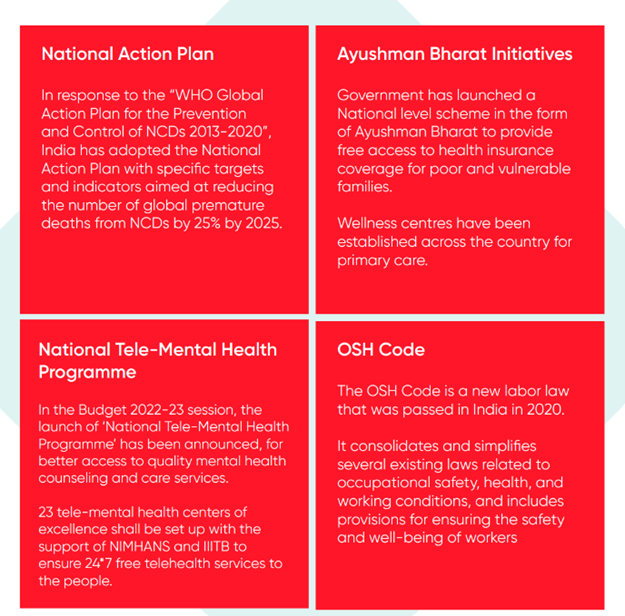
Government Initiatives and Organizational Commitment

Recognizing the importance of employee well-being, the Government of India has initiated several programs focusing on wellness, such as the National Action Plan, Ayushman Bharat Initiatives, the National Tele-Mental Health Programme, and the Occupational Safety and Health (OSH) Code. However, fostering a culture of well-being isn’t solely the responsibility of the government. When it comes to fostering work environments where employees flourish, organizations are essential.

Understanding the Levers of Holistic Well-Being

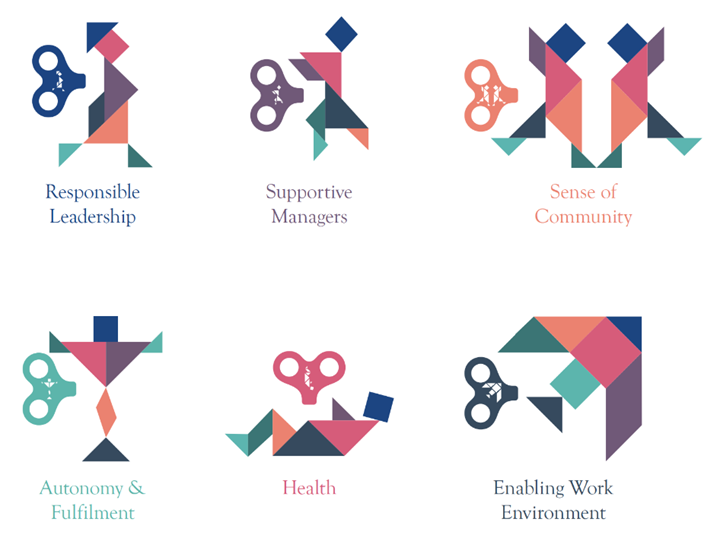
Levers of Holistic Well-Being

Organizations that prioritize employee well-being understand that it is an integral part of workplace culture. They see to it that workers receive possibilities for growth and development, psychological safety, inclusion, and true caring.

According to our Wellness Report, there are six key levers that drive holistic well-being at the workplace:

1. Responsible Leadership: Leaders who prioritize well-being set the tone for the organization. By demonstrating empathy, transparency, and a commitment to employee welfare, they inspire trust and loyalty.

2. Health: Promoting physical and mental health through wellness programs, access to healthcare resources, and stress management initiatives is essential for employee well-being.

3. Supportive Managers: Managers play a crucial role in employee experience. Those who prioritize well-being foster open communication, provide mentorship, and offer support during challenging times.

4. Sense of Community: Creating a friendly workplace where people feel appreciated and connected is achieved through fostering a sense of camaraderie and belonging among staff members.

5. Autonomy and Fulfillment: Empowering employees with autonomy over their work and opportunities for personal and professional growth enhances job satisfaction and overall well-being.

6. Enabling Work Environment: Creating a workplace that is conducive to well-being involves factors such as flexibility, work-life balance, ergonomic design, and a culture that values diversity and inclusion.

The Role of AI in Employee Well-Being

Although AI has the power to spur innovation and change industries, its application must put human-centric principles first. Organizations should leverage AI technologies to augment human capabilities, streamline repetitive tasks, and create opportunities for employees to focus on meaningful work. By automating mundane tasks, AI can reduce employee burnout and free up time for personal development and creativity.

Furthermore, AI can be utilized to enhance employee well-being by analyzing data to identify patterns related to stress, productivity, and engagement. This data-driven approach enables organizations to proactively address issues, tailor interventions, and create personalized experiences for employees.

Building Trust Through People-Centric Practices

In the age of AI, building trust between employees and technology is paramount. Employees must feel confident that AI systems are designed with their well-being in mind and that their jobs are not at risk of automation without adequate support and upskilling opportunities.

Transparent communication about AI implementation, its intended impact on employees, and the measures in place to ensure their well-being is essential for building trust. Companies should ask for input from staff members, address issues honestly, and involve them in decision-making.

Employees that participate in training and upskilling programs are also more equipped to adjust to technology advancements and stay competitive in the job. Organisations cultivate a culture of perpetual learning and advancement by exhibiting a dedication to staff development.

As organizations navigate the complexities of AI implementation, it is imperative to prioritize employee well-being as a foundational principle. By putting people first, organizations not only create a positive workplace culture but also build trust and resilience in the face of technological disruption. By leveraging AI to enhance rather than replace human capabilities, organizations can create environments where employees thrive, innovate, and contribute to the long-term success of the organization. In the age of AI, let’s remember that the true measure of success lies in the well-being and fulfillment of our employees.

In the dynamic realm of human resources, the integration of technology has evolved into a critical component of organizational success. The rapid digital transformation, propelled by the global shift to remote/hybrid work and the accelerated adoption of artificial intelligence (AI), has reshaped the way organizations manage their talent. In this era of change, HR leaders are embracing people analytics to make informed decisions and enhance overall organizational success.

The Evolution of Remote/Hybrid Work Culture:

The concept of remote/hybrid work, once met with skepticism and reluctance, became a tangible reality for companies and employees alike during the COVID-19 pandemic. This forced experiment has given rise to strong and informed opinions about the work culture that best suits organizations and individuals. Businesses as they adjust to the new normal, remote or hybrid work experience has become a critical factor in shaping talent trends in HR.

Employees now prioritize flexibility, work-life balance, and the ability to work from anywhere. Companies, in turn, are reevaluating their policies and adopting hybrid work models to accommodate the preferences and needs of their workforce. The integration of people analytics is playing a pivotal role in understanding and optimizing these evolving work dynamics.

AI’s Growing Role in HR:

The urgency to incorporate artificial intelligence (AI) into HR functions has become increasingly evident. 81% of HR directors have investigated or used AI solutions to increase process efficiency in their companies, according to new data from Gartner. The integration of AI, especially generative AI, is seen as a key driver for staying competitive in the evolving business landscape.

With 76% of HR leaders believing that organizations failing to adopt AI solutions in the next two years will lag in organizational success, the pressure to embrace AI is palpable. As technology develops, HR professionals are using AI to improve employee engagement, expedite the hiring process, and make data-driven choices that will benefit the company as a whole.

The Impact of Innovation on Workplaces:

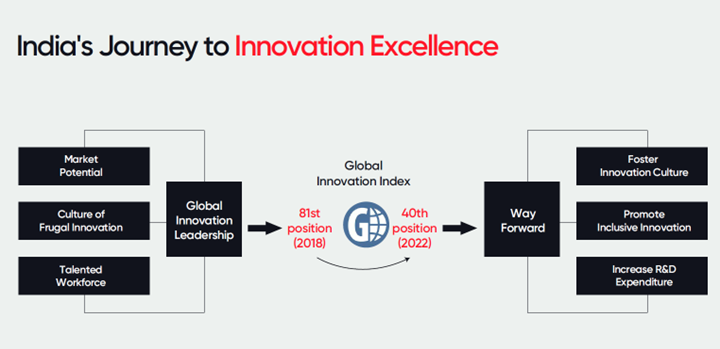
India's Journey to Innovation Excellence

India’s remarkable rise in the Global Innovation Index, jumping from the 81st position in 2018 to the 40th position in 2022, reflects a growing emphasis on creativity and ingenuity. This surge in innovation has a direct correlation with the workplace, as employees in organizations recognized as Best Workplaces™ demonstrate higher rates of innovation.

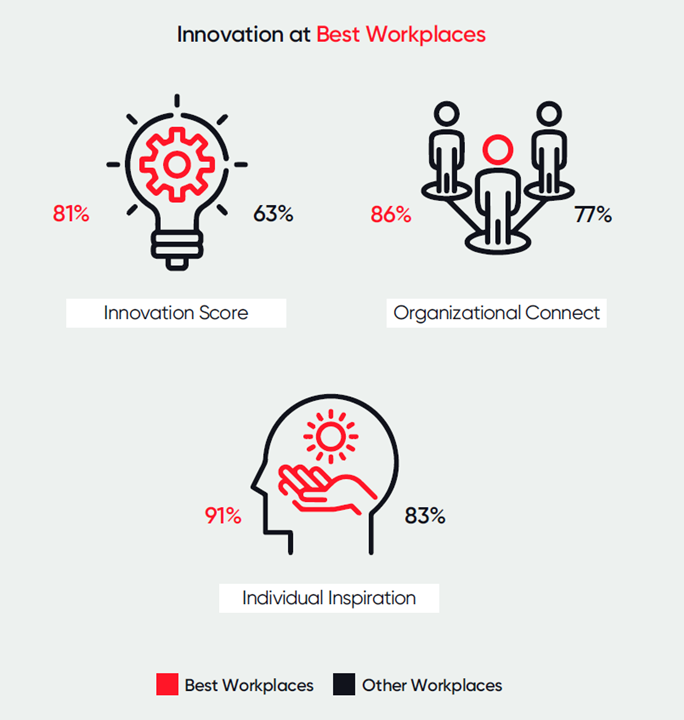
Innovation at Best Workplaces

Our data from India’s Best Workplaces Building a Culture of Innovation by All 2023 report shows that employees in Best Workplaces exhibit an 18% higher rate of innovation, 9% more connection to their organization, and an 8% increase in individual inspiration. These statistics underline the importance of a positive work environment in fostering creativity and innovation, reinforcing the link between talent trends and organizational success.

Best Workplaces Leading the Way:

Organizations recognized as Best Workplaces are not only associated with higher innovation rates but also exhibit 2X more readiness to innovate compared to their counterparts. This highlights the significance of a work environment that is supportive and employee-focused on an organization’s capacity to adjust and prosper in a business environment that is changing quickly.

2X more readiness to innovate

As HR leaders explore ways to attract and retain top talent, creating an environment that promotes innovation and employee well-being emerges as a key strategy. People analytics, powered by AI, becomes an essential tool in identifying and implementing initiatives that contribute to a positive workplace culture.

Debunking Myths About AI in HR Technology:

Despite the growing acceptance and adoption of AI in HR, there are lingering myths that hinder its full integration. Addressing these misconceptions is crucial for organizations to leverage the true potential of AI in enhancing HR functions.

  • Myth 1: When tech outperforms employees in their existing roles, tech will replace them.
  • Reality: The purpose of AI technologies is to complement human abilities, not to replace them. Technology is meant to be pervasive in employees’ activities, working collaboratively with human workers to increase efficiency and productivity.
  • Myth 2: HR leaders are holding back on AI-powered tool implementation because of concerns.
  • Reality: Despite concerns related to data privacy, bias, and ethics, AI adoption is on the rise. In a Gartner benchmarking session, 52% of HR leaders expressed active exploration of potential use cases and opportunities for generative AI.

The future of talent trends in HR is intricately woven with the threads of remote work, AI integration, innovation, and employee-centric practices. Making the most of people analytics becomes essential for organizations looking to stay ahead in a constantly shifting landscape. Human Resources leaders can reimagine their strategies and create a culture of creativity and resilience that catapults their companies to new heights of success by debunking myths and embracing the transformative potential of AI. In this era where the workforce is no longer confined to physical offices, the adaptability and foresight enabled by people analytics and AI are becoming indispensable tools for navigating the evolving landscape of talent management.