The world of business is a competitive arena, demanding strategic plays and a high-performing team to emerge victorious. Just like in sports, fostering a healthy and collaborative work environment is key to achieving success. But are we doing enough to prioritize well-being in the workplace? We achieve this not just by improving performance and productivity but also by giving everyone a more rewarding and happy work environment.

Our Wellness Report reveals a concerning gap between leadership and employee perception of wellness initiatives. While leaders report a positive experience, employees, particularly those in non-managerial roles, show a significant decline in their perception of well-being at work. This calls for a leadership shift, one that goes beyond mental well-being and embraces a holistic approach that prioritizes physical health, too.
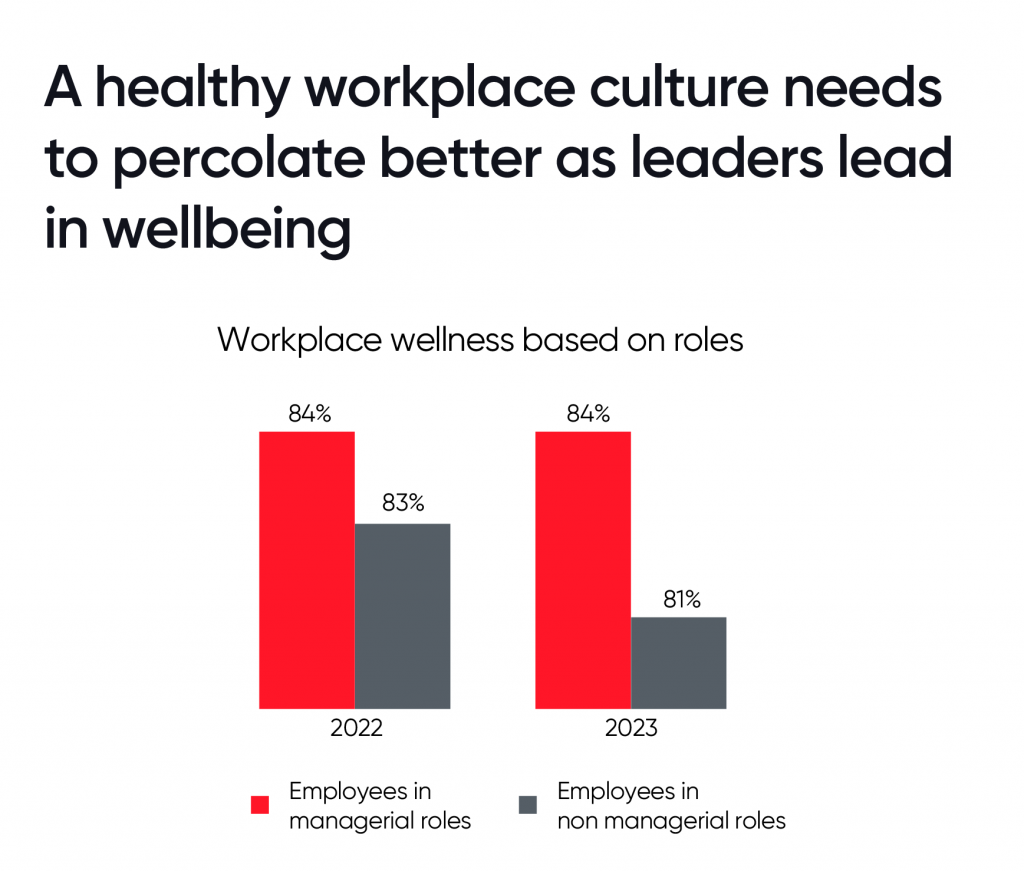
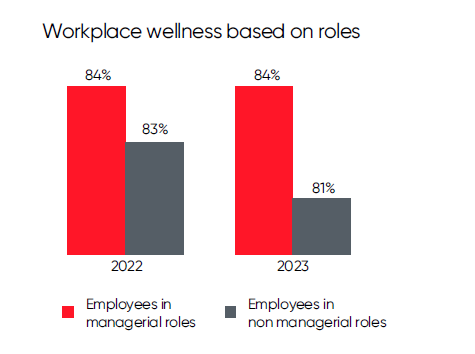
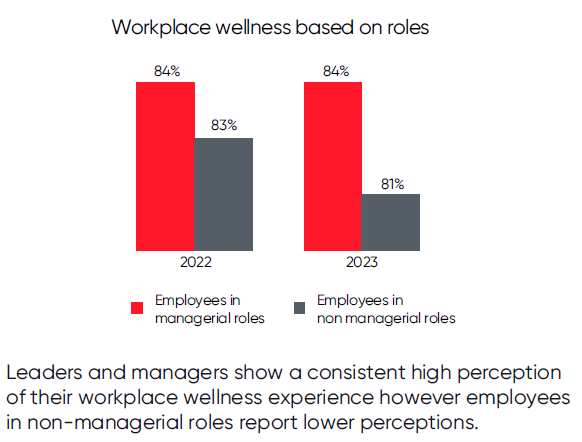
Leaders and managers show a consistent high perception of their workplace wellness experience however employees in non-managerial roles report lower perceptions.

Consider the analogy of preparing for a crucial game. While the focus on mental well-being is undoubtedly essential, neglecting your physical health can leave you sluggish and prone to injury. Similarly, a successful business team requires a robust foundation built on both mental and physical well-being. This is where we can draw valuable insights from the world of sports, as these principles are directly applicable to our business leadership:

Lesson 1: Leading by Example – Building a Culture of Wellness

The most impactful leaders are those who “walk the talk.” When leaders openly prioritize their own well-being and champion wellness initiatives, it sends a powerful message to employees. Imagine a coach who constantly pushes their team to train harder but never takes care of themselves. It wouldn’t inspire much confidence, would it?
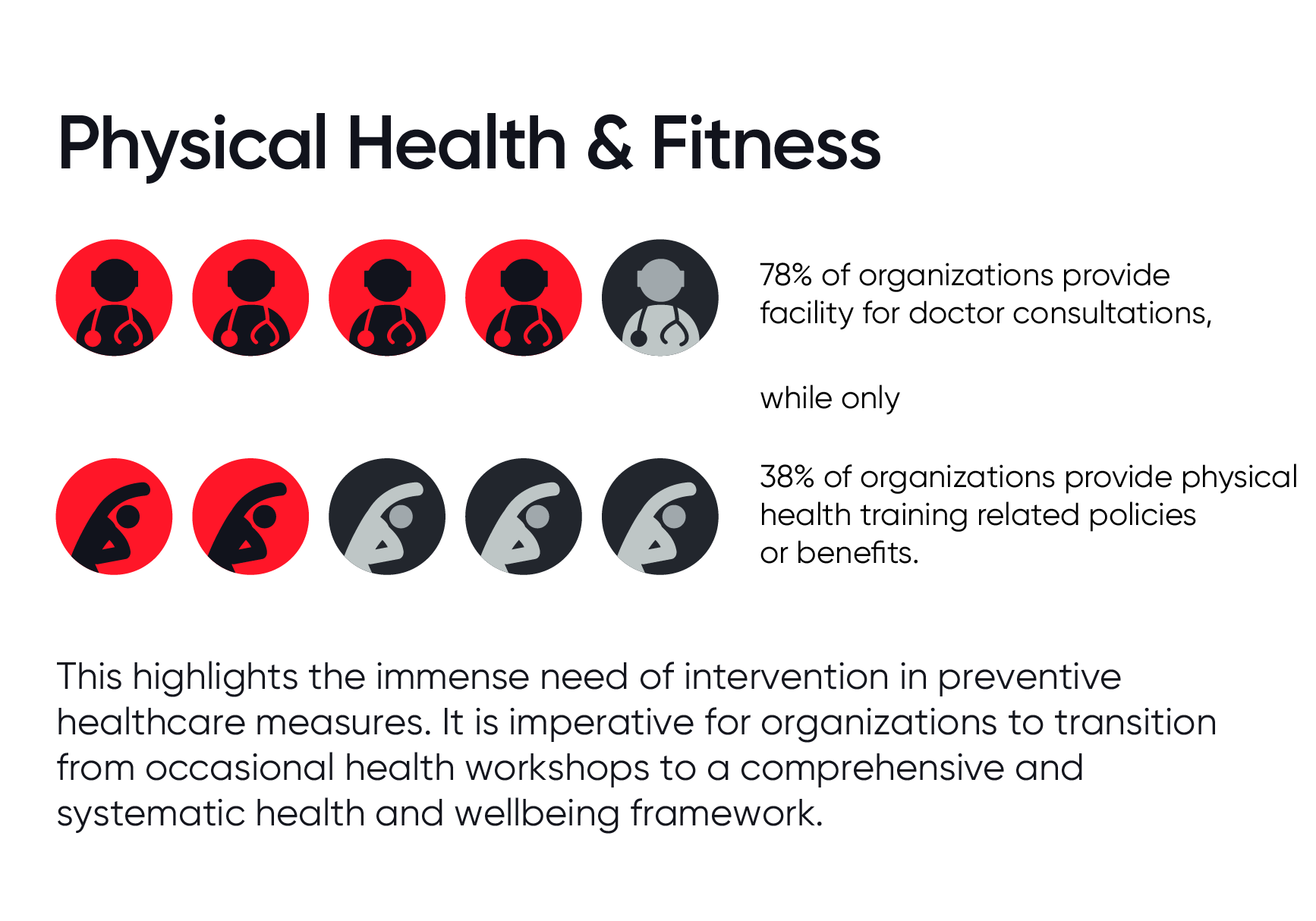
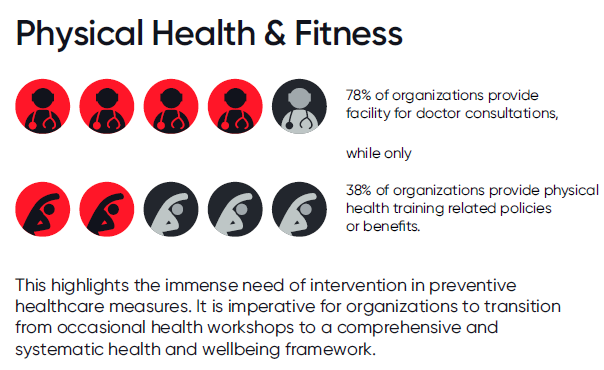
It is imperative for organizations to transition from occasional health workshops to a comprehensive and
systematic health and wellbeing framework.

By incorporating preventive healthcare measures as part of a comprehensive wellness program, businesses can move beyond occasional health workshops towards a sustainable model. This could include offering physical health training on topics like nutrition and exercise, subsidizing gym memberships or on-site fitness facilities, or encouraging healthy habits through company-sponsored activities like walking groups or lunchtime yoga sessions.

Leading by example goes beyond physical health. Openly discussing personal mental health struggles can normalize seeking help and reduce stigma. Leaders who prioritize a healthy work-life balance and encourage employees to do the same create a more positive and productive work environment.

Lesson 2: Teamwork Makes the Dream Work: Collaboration and Shared Success

The magic of sports lies in the seamless collaboration between players. As they collaborate to achieve a common objective, each member brings special talents and viewpoints to the table. This translates directly to the business world. The full potential of employees is unlocked by leaders who give their people the freedom to make decisions while encouraging a culture of open communication and teamwork.

Think of a basketball team where only one player is allowed to dribble. They might be incredibly skilled, but their chances of winning are slim. The same goes for businesses. By creating a flexible structure where team members feel comfortable venturing outside their comfort zones and collaborating effectively, organizations become more adaptable and responsive to challenges.

Collaboration thrives on clear communication. Leaders who set a vision, delegate tasks effectively, and encourage open communication create a space where information flows freely and everyone feels heard. Team members can take measured risks and learn from each other’s mistakes because of the trust and psychological safety this promotes.

Lesson 3: Strength in Diversity: Building an Inclusive Team

A winning sports team isn’t built on uniformity. It’s the combination of different strengths, sizes, and backgrounds that creates a powerful unit. Businesses can benefit from the same idea. Creative and innovative thinking flows freely from leaders who foster an inclusive workplace culture where staff members are respected for their distinct identities and viewpoints. By embracing diversity, we not only create a more competitive edge but also foster a sense of belonging and appreciation among our team members.

Imagine a multinational corporation attempting to launch a product in a new market without understanding the cultural nuances. The outcome is almost certain to be a disaster. Diversity fosters cross-cultural understanding, enabling businesses to navigate the global landscape with greater success. Additionally, a diverse workforce increases innovation and gives businesses a stronger competitive edge by bringing a wider range of perspectives and experiences to the table.

Building an inclusive team goes beyond ethnicity and gender. It encompasses age, neurodiversity, sexual orientation, and any other factor that contributes to a unique perspective. Leaders who actively create a space where everyone feels safe to share their ideas and be themselves create a more engaged and productive workforce.

The Winning Formula

By incorporating these lessons, businesses can build a winning team. Leaders who prioritize well-being, both mental and physical, empower their teams to collaborate effectively, and embrace diversity will create a thriving and successful work environment.
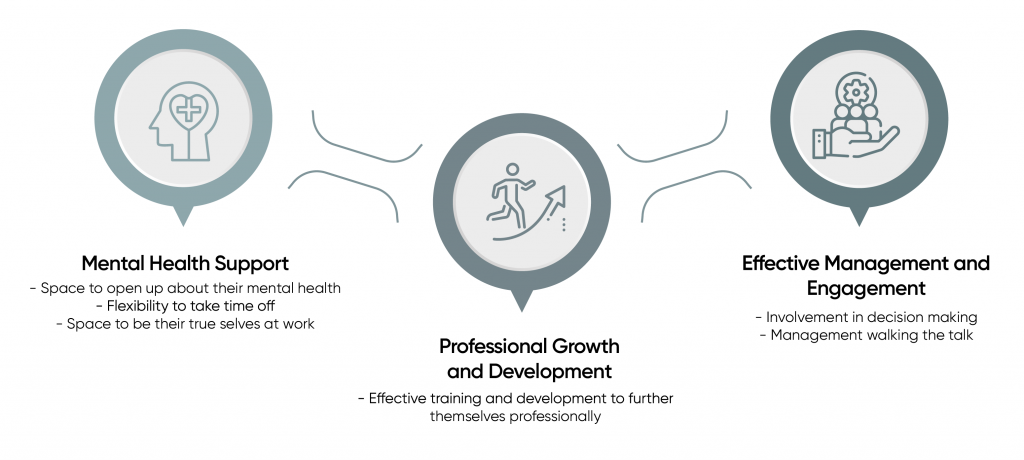
These detractors demonstrate a clear need for leaders to address mental health concerns, professional development needs and employee engagement concerns at the workplace.

It is important to remember that strong leadership is like a skilled coach. They inspire their team, identify and nurture individual strengths, and ultimately guide them toward achieving their full potential. By adopting these strategies, businesses can transform their workplace into a winning team ready to take on any challenge. After all, just like in sports, the ultimate goal is to achieve victory – but this victory extends beyond the bottom line. It’s about creating a work environment where everyone feels valued, supported, and empowered to do their best work.

Unlock Your Workplace Potential:

Empower your business with Great Place To Work® Certification™. Gain valuable insights into employee sentiment, identify areas for improvement, and create a high-performing workplace culture that attracts and retains top talent.
The modern workplace is a dynamic landscape, constantly evolving to reflect the ever-changing needs of a diverse workforce. In this environment, achieving Diversity, Equity, Inclusion, and Belonging (DEIB) is no small feat. It’s akin to assembling a complex puzzle with interconnected pieces. Each element, valuable, contributes to a larger picture: a workplace that fosters success promotes employee well-being, and ultimately thrives in today’s competitive landscape.

Beyond Diversity: Belonging as the Cornerstone

Imagine a magnificent building. Diversity, Equity, and Inclusion represent the strong foundation upon which it stands. However, without a framework to connect these elements, the building remains incomplete. Belonging acts as that framework, providing the structure and stability needed for sustainable growth.

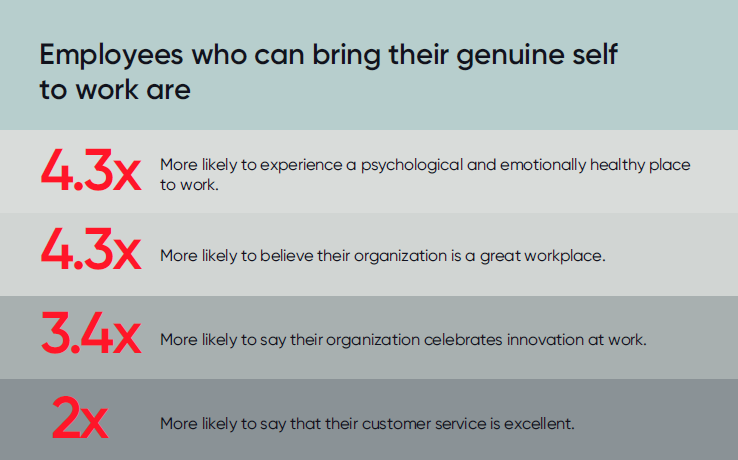
Employees who can bring their genuine self to work are 4.3X more likely to experience a psychological and emotionally healthy place to work. 4.3X more likely to believe their organization is a great workplace. 3.4X more likely to say their organization celebrates innovation at work. 2X more likely to say that their customer service is excellent.

At Best Workplaces™, they follow a simple belief: to succeed, one needs to bring together different pieces to create a place where everyone feels welcome, valued, and empowered to do their best work. This means going beyond simply having a diverse workforce. It’s about fostering an environment where individuals feel comfortable bringing their unique perspectives, talents, and experiences to the table. This creates a vibrant tapestry of ideas, leading to a more successful and innovative workplace.

The Power of Feeling Connected

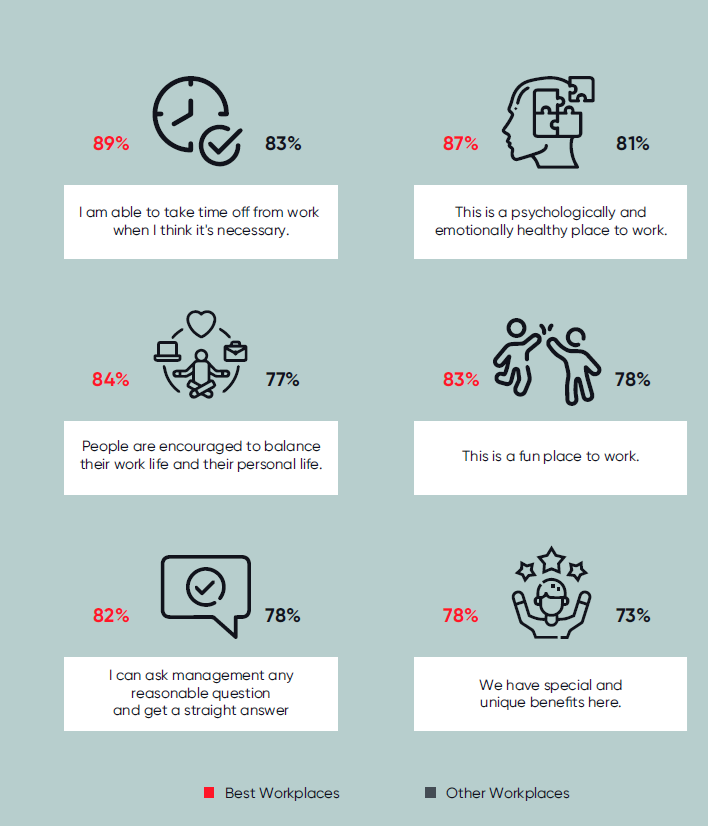
Belonging is the ultimate goal of DEIB efforts. It’s more than just physical presence; it’s the feeling of being truly connected to your colleagues and valued as an equal member of the team. Best Workplaces prioritize employee well-being and create a psychologically healthy, fun, and open culture that promotes work-life balance and offers unique benefits. This fosters a sense of security and encourages employees to bring their whole selves to work, leading to greater engagement and productivity.

Best Workplaces prioritize employee well-being, promote work-life balance, and offer unique benefits, fostering a psychologically healthy, fun, and open culture.

Leaders Championing Belonging

Leaders are increasingly recognizing the value of belonging. This shift in mindset has sparked the development of targeted strategies to cultivate a sense of connection within teams. Psychological safety, the feeling of being able to express oneself without fear of negative consequences, has emerged as a critical component. When employees feel safe to share ideas and take risks, creativity flourishes, and innovation thrives.

The Art of Belonging

Art has always been a powerful tool for self-expression, allowing us to explore our identities and connect with others on a deeper level. This power extends to the workplace as well. By embracing artistic expression, we can create avenues for employees to share their authentic selves, fostering a sense of connection and belonging. It allows individuals to showcase their unique talents and perspectives, building respect and appreciation for diversity.

Expressing Identity Through Art

Imagine a workplace where data analysts can showcase their award-winning nature photography alongside their statistical reports. Or a space where a programmer finds solace in composing music during breaks, later sharing their original pieces with colleagues. Artistic expression allows employees to share their passions and interests beyond their professional roles. This creates a more holistic understanding of everyone, fostering empathy and building stronger bonds between colleagues.

Sharing Creates a Sense of Belonging

Trust is a cornerstone of any successful workplace relationship. A key element of this trust is respect. When employees feel respected by their leaders and peers for who they are, a sense of belonging flourishes. At Best Workplaces, our Trust Index™ Survey measures if employees feel they can be their full selves at work. This includes understanding if leaders show a genuine interest in their employees’ lives – their hobbies, passions, and even their favorite foods. By taking the time to learn about their employees as individuals, leaders can reinforce this sense of belonging and create a more positive work environment.

Encouraging Artistic Expression at Work

The good news is that nurturing artistic expression doesn’t require a complete overhaul of your workplace culture. Here are a few ways to get started:

  • Create a Psychologically Safe Environment: Foster open communication and encourage employees to share their ideas without fear of judgment. This can be achieved through team-building exercises, anonymous feedback channels, and active listening during meetings.
  • Bring Art and Creativity into the Workplace: Organize field trips to art galleries or museums related to your industry. Host workshops with local artists who can teach employees new skills, such as painting, pottery, or even improv comedy. Feature employee artwork in common areas, creating a vibrant and welcoming space.
  • Embrace Deep Work: Many creative pursuits require focused attention. Schedule dedicated times for “deep work,” where employees can minimize distractions and delve into projects that require intense focus and innovation.
  • Celebrate Employee Achievements: Recognize and celebrate employee achievements, both big and small. This could include highlighting artistic endeavors in company newsletters, showcasing employee artwork during team meetings, or even hosting talent shows or art exhibitions.

Remember, artistic expression isn’t just for artists. By encouraging employees to explore their creative sides, you can unlock a wealth of potential. Studies have shown that fostering creativity in the workplace leads to a number of benefits, including:

  • Enhanced Problem-Solving: Approaching challenges from a more creative perspective can lead to innovative solutions and improved decision-making.
  • Increased Employee Engagement: When employees feel their ideas are valued, and they have opportunities to be creative, they become more invested in their work.
  • Improved Communication and Collaboration: Artistic expression can break down communication barriers and encourage collaboration across teams.
  • Reduced Stress and Improved Well-being: Engaging in creative activities can be a powerful stress reliever, leading to happier and healthier employees.

By fostering a culture that embraces artistic expression, you’re not just creating a more vibrant workplace; you’re laying the foundation for a more successful and innovative organization. When each employee feels like a valued member of the team, with the freedom to express their unique talents and perspectives, the entire organization thrives. Let’s build a framework for success together, where belonging isn’t just a word but a lived experience for everyone.

The specter of burnout is once again looming large over workplaces. After a brief reprieve during the initial phases of the pandemic, employee wellbeing seems to be declining. Managers are left scrambling to understand the root cause, often overlooking a significant factor hiding in plain sight: neurodivergent masking.

The Perception Gap and the Silent Struggle

Data paints a concerning picture of a disconnect between leadership perception and employee reality. Leaders consistently overestimate employee wellbeing, often reporting high satisfaction with workplace wellness initiatives. However, employees tell a different story. A staggering number (one in four) struggle to openly discuss stress, burnout, anxiety, or depression at work for fear of judgment. This lack of open communication creates a breeding ground for burnout to fester, leaving employees feeling unseen and unheard.

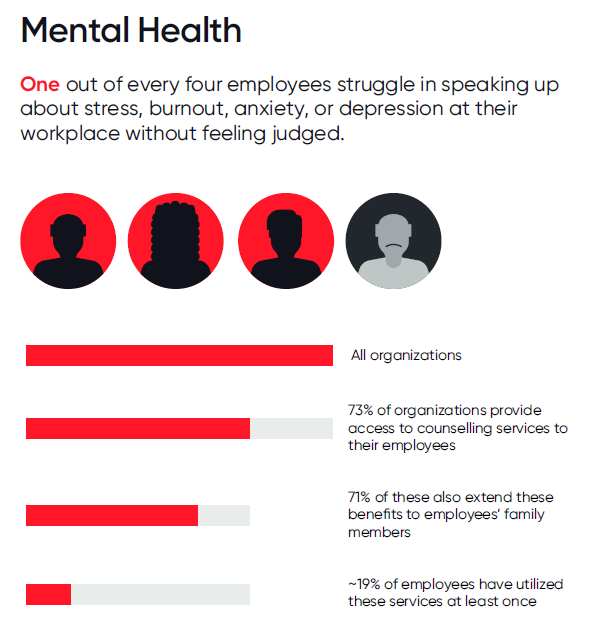
One out of every four employees struggle in speaking up about stress, burnout, anxiety, or depression at their workplace without feeling judged.

The good news is that leaders have a powerful, yet often underestimated, impact on employee wellbeing. Studies by UKG have shown that managers significantly influence mental health more than doctors or therapists. Employees, recognizing this influence, prioritize good mental health over high salaries. When they feel supported, valued, and heard, employees are twice as likely to stay with their company, go the extra mile, and adapt to change. This highlights the crucial role leaders play in fostering a work environment conducive to mental wellbeing and overall employee success.

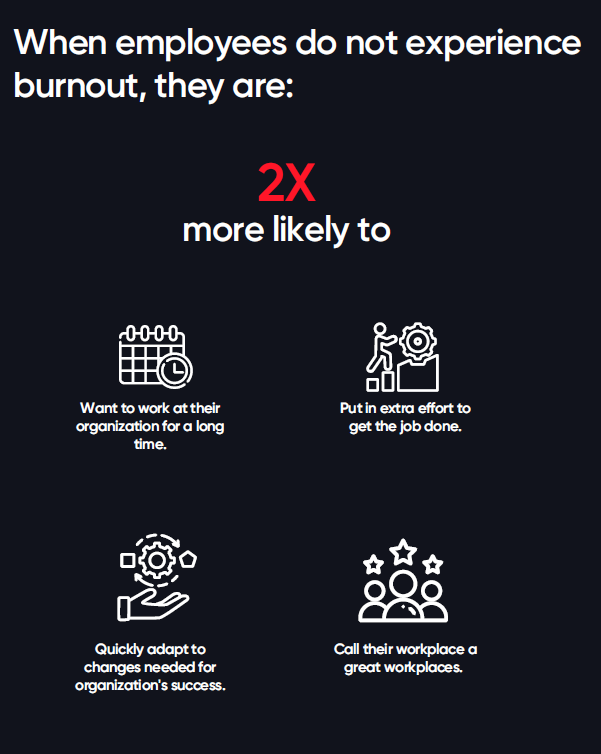
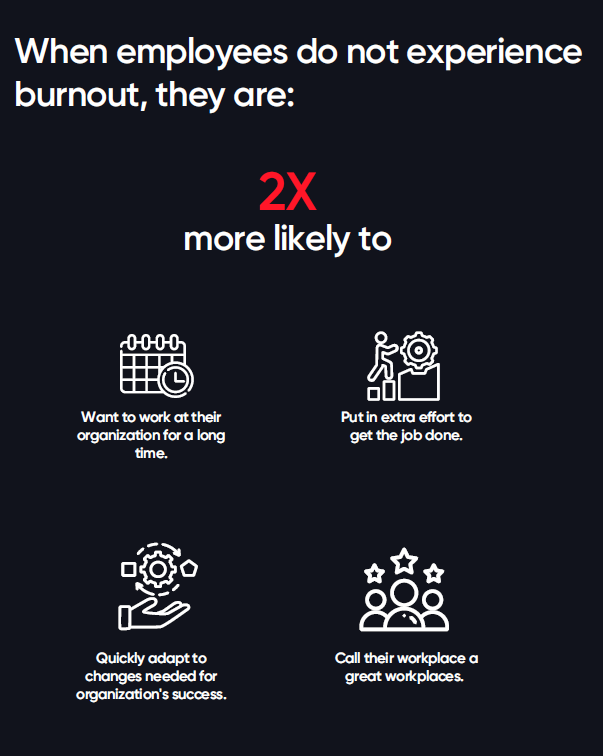
When employees do not experience burnout, they are twice as likely to want to stay at the organization for a long time, put in the extra effort, quickly adapt to changes needed for the organization's success, and consider their workplace a great place to work.

Masking: The Hidden Cost of Fitting In

One under-recognized explanation for the burnout gap lies in the concept of neurodivergent masking. Neurodivergent individuals, which include those with conditions like ADHD, autism, or dyslexia, often have unique ways of processing information, interacting with the world, and experiencing emotions. In a workplace built around a presumed neurotypical standard, these individuals may feel pressure to conform. This constant effort to appear “normal” at work, known as masking, is emotionally and cognitively draining.

Imagine the constant strain of suppressing your natural communication style, stifling fidgeting that helps you focus, or masking sensory sensitivities to harsh lighting or loud noises. Over time, this masking becomes an invisible burden, silently contributing to burnout.

Burnout: Beyond Disengagement, a Threat to Retention

Burnout isn’t just about a decline in employee engagement or productivity. It’s a serious issue with real consequences. Employees experiencing burnout are more likely to withdraw, lose motivation, and ultimately leave their jobs. This presents a significant risk in today’s talent-scarce market. Here’s the harsh reality: companies struggling to attract and retain top talent can’t afford to ignore the needs of neurodivergent employees. Addressing neurodiversity and promoting inclusion isn’t just the right thing to do, it’s good business sense.

Building a Better Workplace for All: Fostering Neurodiversity Inclusion

By fostering inclusion for neurodivergent employees, companies can create a wellbeing benefit for everyone. Here are some key steps to take:

  • Move Beyond the Golden Rule: The well-meaning principle of “treating others the way you want to be treated” can be problematic in a diverse workplace. Leaders need to understand that everyone has different work styles and preferences. Embrace variety and provide the flexibility employees need to thrive. This could involve offering flexible work arrangements, creating quiet spaces for focused work, or utilizing alternative communication methods, such as video conferencing for those who struggle with social interaction in meetings.
  • Spread the Word, Loud and Clear: Promoting your commitment to neurodiversity inclusion is crucial. Don’t just add it to a dusty policy document. Make it a cornerstone of your employer branding and actively communicate it to both new hires and existing employees. Develop awareness campaigns and workshops to educate everyone on neurodiversity. Remember, a truly inclusive environment requires everyone to participate, not just managers. Train employees on neurodiversity so they can better understand and appreciate their colleagues’ unique strengths and challenges.
  • Track the Cycle- Transparency is Key: Positive experiences of disclosure create a ripple effect, encouraging others to feel safe sharing their needs. Conversely, negative experiences can damage trust and discourage open communication. Be mindful of how your company culture treats those who come forward. Track and address any instances of discrimination or prejudice. Implement anonymous reporting systems to encourage open communication about negative experiences.
  • Listen and Learn- Surveys and Open Communication: Don’t make assumptions. Survey your workforce to understand the specific needs and challenges faced by neurodivergent employees. Focus on creating an environment where everyone can contribute their best, not on diagnosing individuals. Conduct open forums and workshops to encourage dialogue and create a safe space for feedback. Partner with employee resource groups (ERGs) dedicated to neurodiversity to gain valuable insights and perspectives.

Building a Culture of Inclusion Starts Today

By creating a culture of inclusion and open communication, organizations can combat burnout and unlock the full potential of their neurodivergent employees. Imagine the innovation and creativity that can flourish when diverse minds feel valued and empowered to contribute in their own unique way.

Don’t let burnout become the norm. Take the first step towards a more inclusive and thriving workplace by considering these additional tips:

  • Champion Neurodiversity from the Top: Leadership buy-in is essential. When senior leaders openly advocate for neurodiversity inclusion, it sends a powerful message throughout the organization. Encourage leaders to participate in neurodiversity training programs and actively demonstrate their commitment to creating a supportive environment.
  • Focus on Strengths, Not Deficits: Neurodivergent individuals bring a wealth of unique talents and perspectives to the table. Shift the focus from perceived limitations to recognizing and celebrating strengths. For example, someone with ADHD may excel at brainstorming creative solutions, while an autistic employee may possess exceptional attention to detail.
  • Provide Accessible Resources: Make accommodation readily available and remove any stigma associated with using them. This could include offering noise-canceling headphones, flexible deadlines for certain tasks, or access to specialized software that caters to different learning styles.
  • Celebrate Neurodiversity: Recognize and celebrate the contributions of neurodivergent employees. Highlight their successes in company communications and create opportunities for them to share their experiences with colleagues. This can not only boost morale but also inspire others to embrace neurodiversity.

The Road to a More Inclusive Future

Building a truly inclusive workplace for neurodivergent employees is an ongoing process. It requires continuous learning, open communication, and a commitment to fostering a culture of understanding and respect. By taking these steps, organizations can not only combat burnout but also unlock the full potential of their diverse workforce, leading to a more innovative, productive, and successful future.

Ready to Get Started?

Partner with organizations specializing in neurodiversity inclusion to gain valuable expertise and resources. Consider collaborating with groups like The Autistic Self Advocacy Network (ASAN) or The National Center for Learning Disabilities (NCLD). Additionally, pursuing certifications like the Neurodiversity Certification Program from the International Board of Credentialing and Continuing Education Standards (IBCCE) can demonstrate your commitment to creating a neuroinclusive workplace.

Remember, investing in neurodiversity inclusion isn’t just the right thing to do, it’s a smart business decision. By creating a work environment where everyone feels valued and empowered to contribute their best, organizations can unlock a competitive advantage and thrive in today’s rapidly changing world. Start building a more inclusive future today.

The war for talent is real. In a post-pandemic world, employee expectations have undergone a seismic shift. Gone are the days when a hefty paycheck alone could guarantee loyalty. Today’s workforce prioritizes a holistic experience that fosters a sense of purpose, fairness, and even a dash of fun. This begs the question: What differentiates truly great workplaces from the rest? 

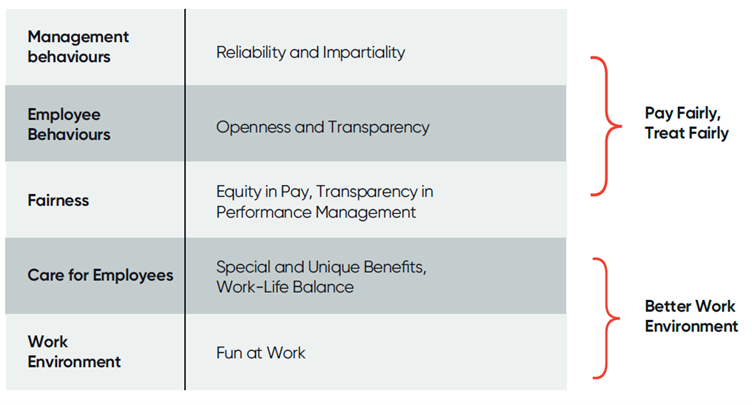
The answer lies in three key pillars: fair compensation, equitable treatment, and a positive work environment. These seemingly simple elements hold immense power when it comes to employee retention. Here’s why: 

The Power of Parity: Fair Pay and Fair Treatment 

Let’s face it: feeling undervalued is a surefire way to lose your best people. Best Workplaces understand this fundamental truth. They excel in offering fair profit sharing, equitable compensation, and fostering an environment where everyone feels valued and respected. This commitment translates into a staggering 10% uplift in positive employee responses compared to their counterparts. 

But what exactly constitutes “fairness”? It’s a multi-faceted concept. Here’s a breakdown: 

  • Equitable Compensation: Compensation structures that acknowledge each employee’s value, regardless of background or demographics. This includes competitive salaries, fair bonuses, and transparent promotion policies. 
  • Profit Sharing: Sharing the company’s success with employees through profit-sharing programs fosters a sense of ownership and motivates employees to contribute meaningfully. 
Future Focus Areas - Differentiators of Best Workplaces 2023. Pay Fairly, Treat Fairly and Better Work Environment.

Beyond the Paycheck: The Importance of Feeling Valued  

Fair compensation is just one piece of the puzzle. Equitable treatment is equally crucial. This involves creating an environment at work where everyone is valued, heard, and given the chance to succeed. Here’s how Best Workplaces achieve this:

  • Open Communication: Promoting an environment of open communication where staff members feel free to voice issues and recommendations. This builds trust and fosters a sense of belonging.
  • Diversity and Inclusion: Encouraging diversity and inclusion programs demonstrates that all workers, regardless of background, are valued.
  • Growth Opportunities: Providing clear pathways for career development demonstrates the company’s commitment to its employees’ long-term success.

The Unexpected Factor: Why Fun Matters

Our research clearly states that employees who find their work environment fun are 1.7 times more likely to stay with their organization. This doesn’t mean turning the workplace into a circus but instead creating a positive and engaging atmosphere. Here are some ways to do this:

  • Team-Building Activities: Organize regular team-building activities that foster camaraderie and a sense of community. These activities don’t have to be expensive or elaborate. Simple outings, volunteering opportunities, or game nights go a long way.
  • Work-life balance: Motivate employees to prioritize their health, take frequent breaks, and maintain a healthy work-life balance. Flexible work schedules and generous vacation policies can accomplish this.
  • Recognition and Appreciation: Publicly acknowledge and appreciate employee contributions, both big and small. A simple “thank you” can go a long way in boosting morale. Consider implementing employee recognition programs that celebrate achievements and milestones.

The Ripple Effect: How a Positive Work Environment Impacts Your Business

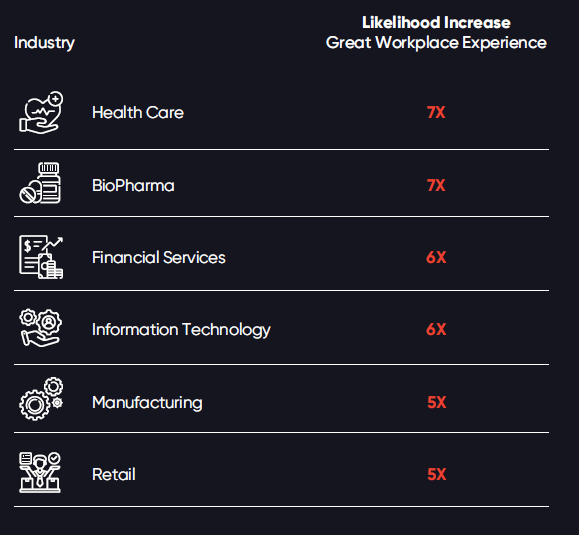
Regardless of industry, when people feel they are “paid fairly and
treated fairly, as well as provided with the better work environment,”
they are 5 times or more likely to respond to their organization being a
Great Place To Work.

Positive work experiences have many advantages that go well beyond just increasing employee satisfaction. It produces a domino effect that benefits your entire company:

  • Reduced Turnover: High turnover rates are expensive. By fostering loyalty, companies can save significant costs associated with recruitment and onboarding. Replacing a single employee can cost up to twice their annual salary.
  • Increased Productivity: Happy and engaged employees are more productive. They’re more likely to be invested in their work, take ownership of their tasks, and strive for excellence.
  • Enhanced Customer Service: A positive work environment improves customer interactions. Engaged employees deliver better service, leading to increased customer satisfaction and loyalty. Happy employees are likelier to go the extra mile for customers, resulting in a better overall customer experience.
  • Employer Branding: A strong reputation for employee satisfaction attracts top talent, making recruitment more accessible and cost-effective. When employees are happy and vocal about their positive experiences at your company, it becomes a powerful employer branding tool.

Building a Sustainable Model: Beyond Perks and Pool Tables

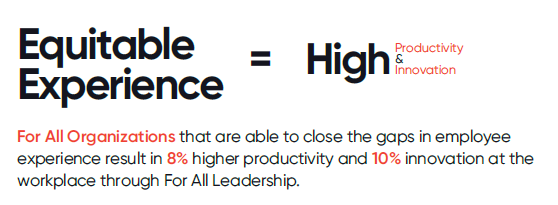
For All Organizations that are able to close the gaps in employee experience result in 8% higher productivity and 10% innovation at the workplace through For All Leadership.

It’s important to remember that a positive work environment goes beyond offering perks like free lunches or pool tables. These can be an excellent addition, but true employee satisfaction comes from a more profound sense of purpose, belonging, and growth. Here’s how to build a sustainable model for employee experience:

  • Focus on Meaningful Work: Assist employees in comprehending their role in the overall influence and goal of the organization. This fosters a sense of purpose and motivates employees to go the extra mile.
  • Invest in Learning and Development: Allow employees to expand their knowledge and develop new skills. This demonstrates the company’s commitment to their growth and keeps them engaged.
  • Empowerment and Ownership: Empower employees to make decisions and take ownership of their work. This fosters a sense of autonomy and motivates them to take initiative.
  • Psychological Safety: Cultivate a work environment where employees feel safe taking risks, making mistakes, and receiving honest feedback. This will foster innovation and creativity.
  • Regular Feedback and Recognition: Provide employees with regular performance feedback and recognition of their achievements. This helps them stay on track and feel valued.

The Road Ahead: Building a Workplace Where People Thrive

The landscape of work is constantly evolving. Companies prioritizing fairness, fun, and employee well-being in this dynamic environment are poised for success. Organizations can foster a loyal and high-performing workforce by creating a workplace where people feel valued and respected and have the opportunity to contribute meaningfully. Remember, happy employees are not just good for your company culture; they’re good for your bottom line. So, make the shift, prioritize these three retention pillars, and watch your organization thrive.

The business landscape is in a significant transformation. Environmental, Social, and Governance (ESG) initiatives are no longer a mere regulatory requirement; they are now a fundamental value for many companies. At Great Place To Work® India, we firmly believe that the key to long-term success and true sustainability lies in creating a workplace that values all its employees.  

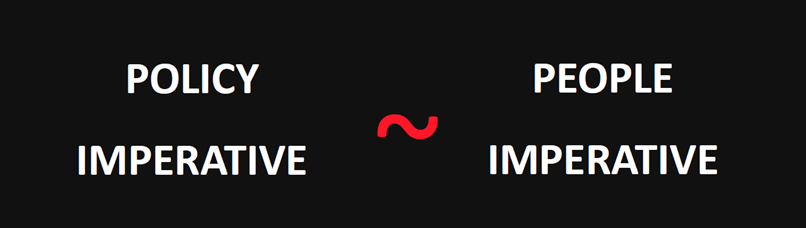
From Policy to People: The Power of a “For All” Workplace Culture

ESG is often seen as a policy dictated by the government. However, the landscape is changing. We are witnessing a significant shift, with ESG evolving into a people-centric and workplace-driven necessity.

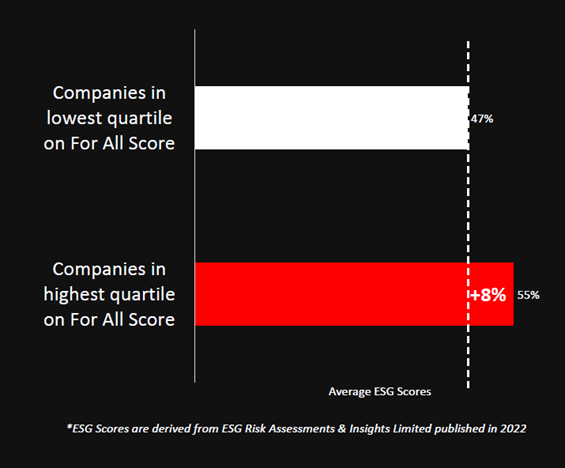
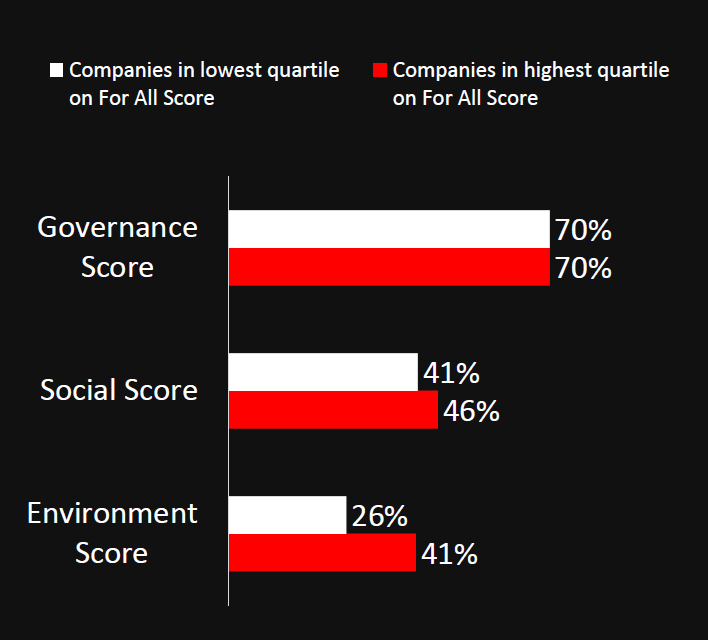
ESG is often seen as a policy dictated by the government. However, the landscape is changing.  We are witnessing a significant shift, with ESG evolving into a people-centric and workplace-driven necessity. Our research report supports this trend. Companies with a ‘For All’ workplace culture consistently outperform others on ESG scores by a substantial 8%. This underscores the importance of a culture that values diversity, equity, and inclusion as a strong foundation for sustainable initiatives. 

TOP RANKED COMPANIES WITH FOR ALL WORKPLACE CULTURE OUTPERFORM OTHERS ON ESG SCORES BY 8%.

The Employee Connection: Motivation and Brand Advocacy 

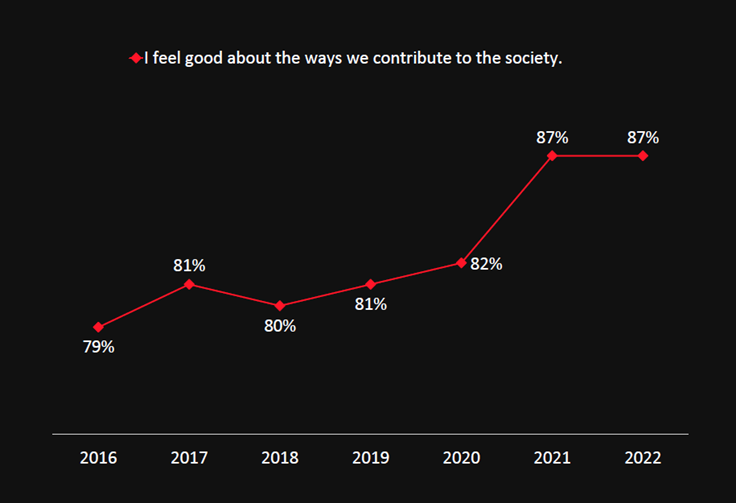
Employees are not just cogs in the machine; they are the driving force behind an organization’s success.  When workplaces actively contribute to society, it leads to a more motivated and brand-loyal workforce. Our ESG report establishes a direct link between employee experience and a company’s social impact. Employees who are proud of their company’s social impact are:  

  • 3.5 times more likely to say people look forward to coming to work.  
  • 3 times more likely to endorse the company as a great place to work.   
WORKPLACES CONTRIBUTING TO SOCIETY
EXPERIENCE INCREASED MOTIVATION AND BRAND ENDORSEMENT.

This results in a happier, more engaged workforce that becomes vocal advocates for the company’s positive contributions.

Building a Sustainable Future: The Business Case for Great Workplaces 

Creating a Great Place To Work isn’t solely about employee satisfaction; it unequivocally leads to higher stakeholder returns. A study by RSM India unveiled that Best Workplaces have generated an impressive 14X cumulative return on the initial investment since 2008-09. This underscores the tangible financial gain of prioritizing employee experience. Companies with a positive and empowering work environment witness increased productivity, reduced absenteeism, and lower employee turnover, all of which contribute to a healthier bottom line. 

Beyond ESG Scores: The Power of Culture for Environmental Sustainability 

Top-ranked companies with For All Workplace Culture differentiate on environment scores by 3X compared to social aspects.

Our data shows a nuanced trend within ESG performance.  Top-ranked companies with a “For All” workplace culture show a 3Xdifferentiation in environmental scores compared to social aspects. This suggests that a strong culture fosters a deeper commitment to environmental responsibility within the organization. 

A Culture of Sustainability: From Values to Everyday Actions 

Building a sustainable future requires more than just grand pronouncements.  A company culture that prioritizes sustainability translates into everyday behaviors and practices. Here are some ways a great workplace culture can empower employees to be environmentally responsible: 

  • Transparency and Education: Companies should be transparent about their environmental goals and provide employees with the necessary training and resources to understand how their actions contribute to broader sustainability efforts.
  • Empowerment and Recognition: Encouraging employees to suggest and implement sustainable practices demonstrates trust and fosters a sense of ownership. Recognize and reward employees who champion sustainable initiatives within the organization.
  • Leading by Example: Leadership is crucial in setting the tone. When senior management actively participates in and promotes sustainable practices, it sends a powerful message to the rest of the workforce.

Attracting and Retaining Talent for Sustainability Success 

Companies with strong values and a positive culture are more likely to attract talent committed to making a positive impact. These employees are intrinsically motivated by the company’s mission and are likelier to stay with the organization long-term.  A stable and engaged workforce is essential for sustainable growth, as employee turnover disrupts operations and hinders long-term planning. 

Employee Engagement: Aligning Actions with Values for Sustainability 

Creating a sustainable work environment goes beyond just recycling and energy-efficient lighting. A company culture that encourages sustainable behavior empowers employees to take actions that align with the company’s ESG goals and values. This could involve encouraging carpooling, reducing paper consumption, or participating in community clean-up efforts. When employees feel like their daily actions contribute to a larger purpose, it fosters a sense of ownership and commitment to sustainability initiatives. 

Fostering Innovation for a Sustainable Future 

A great workplace culture doesn’t just encourage adherence to existing sustainability practices; it fosters an environment where innovation thrives.  Employees who feel valued, heard, and empowered are more likely to come up with creative solutions for tackling environmental challenges.  Companies can create innovation labs or run internal competitions specifically focused on developing sustainable solutions, encouraging collaboration across departments, and leveraging the diverse skillsets of their workforce. 

Building a Sustainable Supply Chain 

A company’s commitment to sustainability extends beyond its own walls. Partnering with suppliers who share similar values is crucial for creating a truly sustainable ecosystem.  Companies with a great workplace culture are more likely to prioritize ethical sourcing and fair labor practices throughout their supply chain.  This not only strengthens their ESG profile but also fosters trust and loyalty with key partners. 

Measuring Progress and Communicating Impact 

Sustainability is a continuous journey, not a destination. It’s essential to track progress and measure the impact of your employee-driven sustainability initiatives.  This data can be used to adjust strategies, celebrate successes, and keep employees engaged in the long term. Regularly communicate your sustainability goals and achievements to both employees and external stakeholders.  Transparency builds trust and demonstrates your commitment to creating a positive impact. 

The Future of Work: Sustainability as the Cornerstone of Success 

The future of business belongs to companies that prioritize both environmental responsibility and social good.  By creating great workplaces, companies can empower their employees to be sustainability champions, fostering innovation, collaboration, and a shared commitment to a better future.  This approach not only benefits the environment and society at large but also creates a strong foundation for long-term financial success and a competitive edge in the evolving marketplace. 

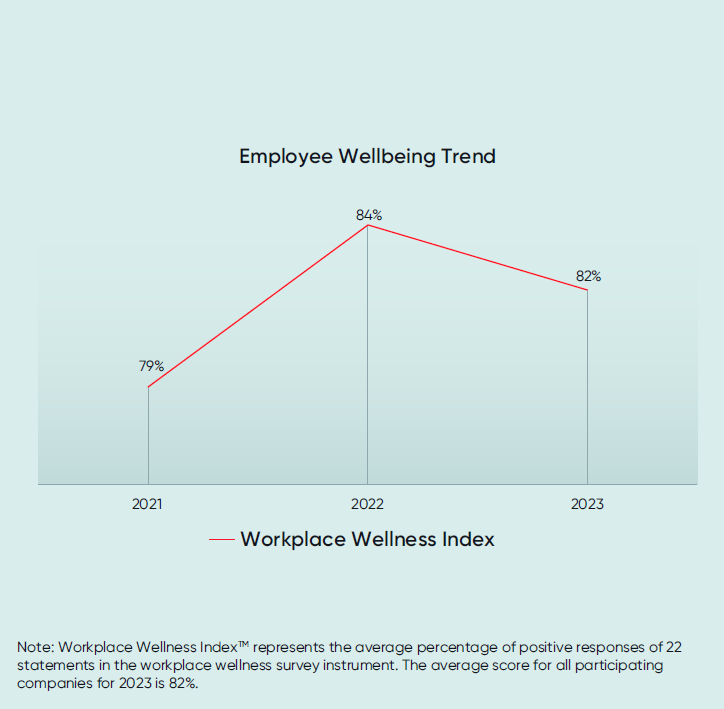
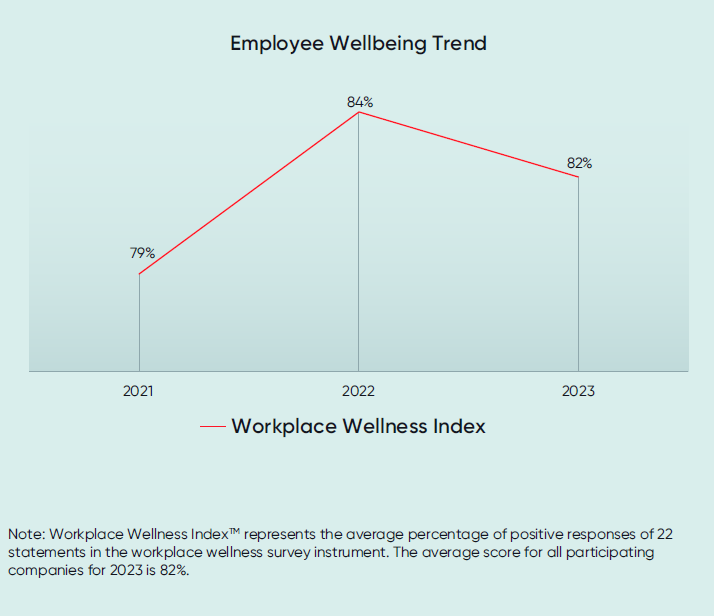
J.W. Marriott, Jr., Executive Chairman at Marriott, famously stated, “Take good care of the people, they’ll take good care of the customer, and the customer will come back.” This statement rings truer than ever in today’s competitive landscape. While many organizations witnessed a surge in their Workplace Wellness Index in 2023, a recent dip of 2 points signals a pressing need to elevate employee wellbeing from a fleeting trend to a sustained priority.

Workplace Wellness Index

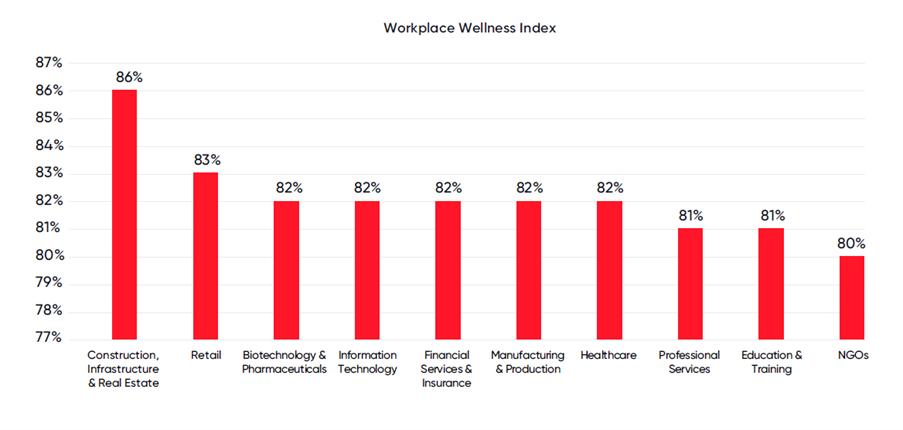
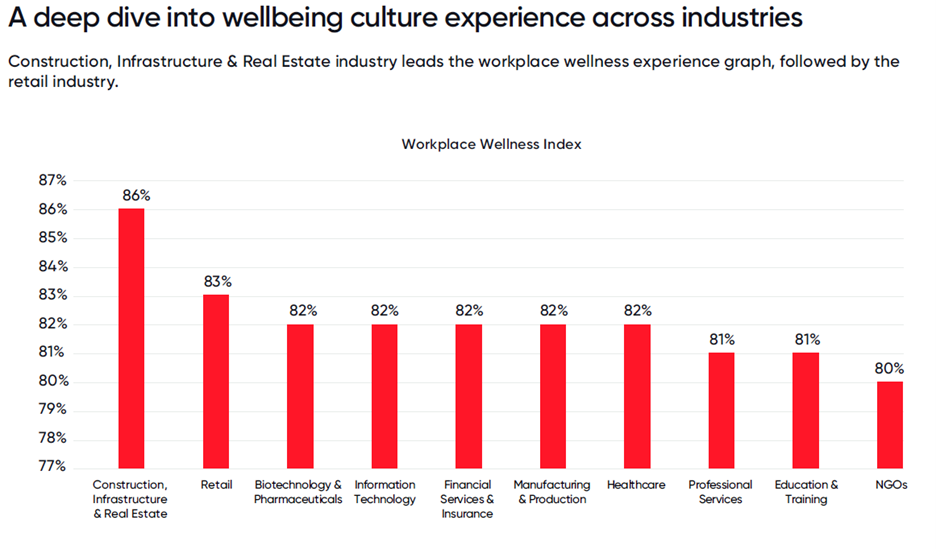
The good news? Industries like Construction, Infrastructure & Real Estate, followed by Retail, are demonstrating leadership in workplace wellness. But the gap between leaders and non-managerial staff paints a concerning picture. A drop in employee wellbeing scores from 83% to 81% for non-managerial roles in 2023 is a call to action for leaders to walk the talk when it comes to wellbeing initiatives.

Wellbeing culture experience across industries.

Healthy Workforce: The Foundation

A healthy workforce forms the bedrock of a thriving organization. Employees are more engaged, productive, and unlikely to burn out when they feel appreciated, supported, and empowered. This translates into improved decision-making, innovation, and problem-solving – all vital ingredients for success.

Leading by Example: Fostering Wellbeing in Leaders

Workplace wellness based on roles.

Workplace culture is greatly influenced by leaders. A strong signal is sent to the entire company when executives support and actively engage in wellness programs. Imagine the impact of senior leaders participating in a Women’s Sponsorship Program—a program that fosters leadership growth through mentorship and experiential learning. In addition to helping female leaders, this fosters a more welcoming and encouraging atmosphere for everyone.

Creating Space to Recharge: No-Meeting Days

Imagine a day free from the relentless ping-pongs of emails and back-to-back meetings. No-meeting days are a proactive measure that organizations can take to minimize burnout, and they are beneficial to both leaders and employees. Leaders who actively participate these days not only demonstrate their commitment to wellbeing but also encourage their teams to disconnect and recharge. These wellness practices can be strategically woven into OKRs (Objectives and Key Results), ensuring continuous focus and progress.

Beyond the Basics: Building a Holistic Wellbeing Strategy 

While a Women’s Sponsorship Program and no-meeting days are great starting points, a holistic wellbeing strategy encompasses a wider range of initiatives. Here are some additional ways to foster employee wellbeing:

  • Financial Wellness Programs: Offer financial literacy workshops, employee discounts, and access to financial advisors to help employees manage their finances effectively.
  • Mental Health Support: Provide access to Employee Assistance Programs (EAPs) with confidential counseling services, mental health resources, and awareness campaigns to address the stigma surrounding mental health.
  • Physical Wellbeing Initiatives: Encourage physical activity through on-site fitness centers, subsidized gym memberships, or healthy workplace challenges. Promote healthy eating habits by offering healthy snacks in cafeterias or partnerships with healthy meal delivery services.
  • Work-Life Balance Initiatives: To assist employees in successfully juggling their personal and professional lives, provide extensive parental leave policies, remote work options, and flexible work schedules.

The Power of Metrics: Measuring the Impact of Wellbeing Initiatives

Investing in employee wellbeing requires a data-driven approach. It’s crucial to track the impact of your initiatives through surveys, focus groups, and employee engagement metrics. Regularly monitor employee wellbeing scores, absenteeism rates, and turnover rates to assess the effectiveness of your programs and identify areas for improvement.

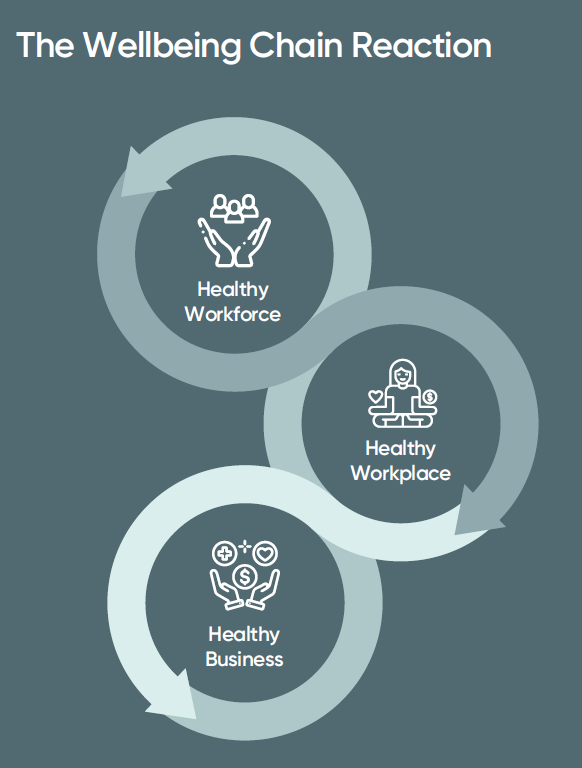
The Wellbeing Chain Reaction in Action

Wellness Chain Reaction.

Investing in a healthy workforce has a ripple effect throughout the organization, creating a Wellbeing Chain Reaction:

  • Healthy Workforce: When employees feel supported and empowered, their wellbeing improves.
  • Healthy Workplace: A culture that prioritizes wellbeing fosters collaboration, productivity, and innovation.
  • Healthy Business: A healthy workplace translates into better customer service, improved brand reputation, and, ultimately, a thriving business.

The Business Case for Wellbeing

Beyond the ethical imperative of caring for your employees, there’s a strong business case for investing in employee wellbeing. Studies have shown that companies with strong wellbeing programs experience:

  • Reduced absenteeism and presenteeism: When employees feel healthy and supported, they’re less likely to miss work or be unproductive while at work.
  • Increased employee engagement and productivity: Employee engagement increases productivity and innovation because engaged workers are more committed to their jobs.
  • Improved employee retention: Companies with strong wellbeing programs experience lower turnover rates, saving them significant time and resources associated with recruitment and onboarding.
  • Enhanced employer brand: Organizations known for their commitment to employee wellbeing attract and retain top talent in a competitive market.

Conclusion: A Sustainable Investment

Investing in employee wellbeing is not an expense but a strategic investment in the future of your organization. By creating a Wellbeing Chain Reaction, you can cultivate a thriving workforce, a healthy workplace, and, ultimately, a successful business. Let’s move beyond short-lived trends and build a culture of wellbeing that empowers employees, fosters innovation, and ensures long-term success. It’s important to keep in mind that a happy and healthy workforce translates into a profitable and productive company.

Employee well-being has undergone a remarkable transformation. Once a niche concept discussed in hushed tones, it’s now a hot-button issue gracing boardroom agendas worldwide. However, despite initial progress, recent data paints a concerning picture. The 2022 Workplace Wellness Index, while initially positive, reveals a worrying decline in 2023. Employee satisfaction dipped by a concerning 2 points, while burnout experiences surged by a staggering 3 points. This stark data serves as a potent reminder: true well-being isn’t a one-time initiative but a continuous journey demanding unwavering commitment from individuals and organizations alike.

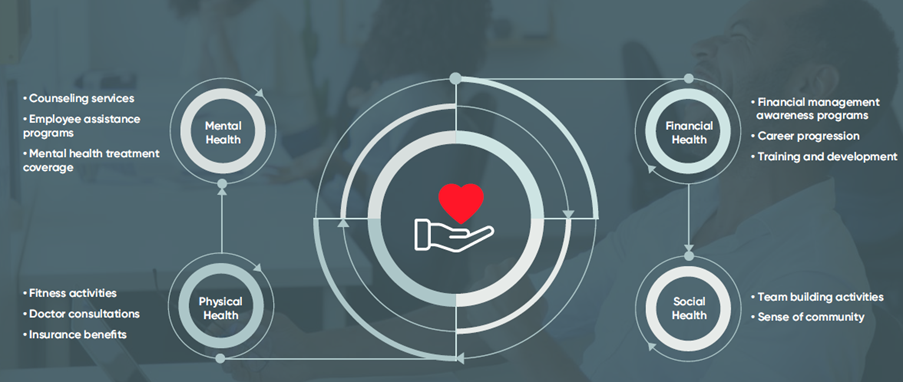
Workplace Wellness is an umbrella term used to describe organizational benefits and practices, designed to support employee health and wellbeing at the workplace - Mental Health, Physical Health, Social Health and Financial Health.

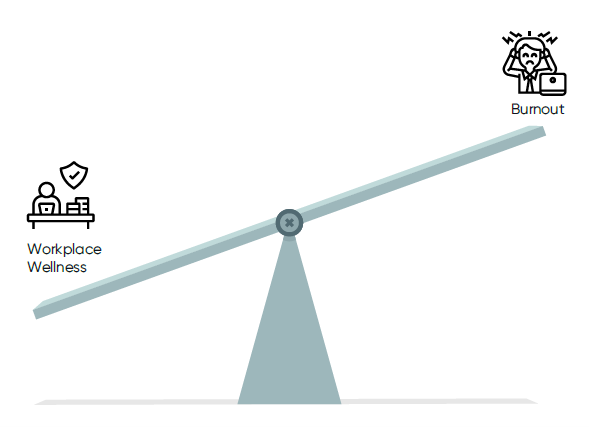
Workplace Wellness, an umbrella term encompassing benefits and practices designed to support employee health and well-being, plays a crucial role in this journey. Remember, burnout – a state of complete mental, physical, and emotional exhaustion – thrives in its absence. The 2023 data paints a clear picture: lower well-being perceptions coincide with a rise in burnout.

The stakes are high. When employees don’t experience burnout, they’re: 

  • Twice as likely to want a long-term stay at their organization, fostering stability and loyalty. 
  • More motivated to go the extra mile for the company, boosting productivity and innovation. 
  • More adaptable to necessary changes for organizational success, ensuring a future-proof workforce. 
  • More likely to view their workplace as truly “great,” creating a positive employer brand that attracts top talent. 
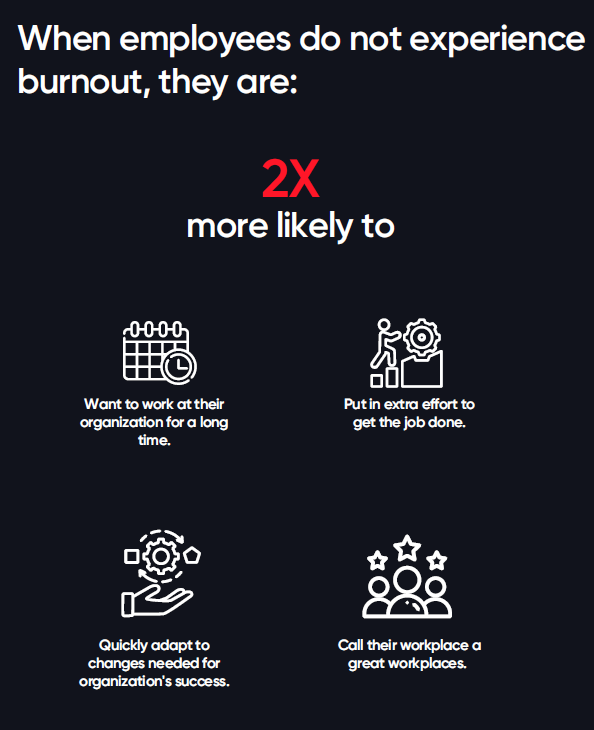
The image shows that when employees do not experience burnout, they are 2x more likely to want to work at their organization for a long time, put in extra effort to get the job done, quickly adapt to changes needed for organization's success and call their workplace a great workplaces.

So, how do we tackle this well-being crisis in the modern workplace? Perhaps it’s time to look beyond traditional solutions. Enter Toddlers – an unconventional source brimming with surprisingly effective well-being lessons. 

Toddler-like Well-being: Lessons from the Littles 

Yes, toddlers – those seemingly tireless balls of energy – actually work incredibly hard every day. They’re constantly learning, exploring, and navigating complex social situations. Yet, they often enjoy scheduled breaks for play, outdoor time, meals with friends, and, yes, even naps. Now, compare that to many working adults who eat lunch at their desks, skip breaks, and remain glued to their screens for hours. Structured breaks, even a short walk or screen-free activity, can be incredibly beneficial for adult well-being.

Burnout is a state of complete mental, physical, and emotional exhaustion. It is an established fact that employee wellbeing and burnout are inversely proportional
concepts.

But that’s not all toddlers can teach us. Here are five key well-being lessons we can glean from these pint-sized experts:

1. Be a Team Player – Collaboration is in a Toddler’s DNA: Collaboration is ingrained in toddlers. Focused on building relationships and learning, they naturally work well with others. The key is approaching colleagues without judgment. Research shows toddlers don’t assign blame when tasks go awry; they simply acknowledge the issue and seek solutions together. Imagine the power of replicating this collaborative spirit in the workplace! Foster teamwork by encouraging open communication, establishing clear roles and responsibilities, and celebrating team successes.

2. Ask More Questions – Curiosity is a Toddler’s Superpower: Building meaningful connections is a cornerstone of well-being, identified as one of the five well-being dimensions in Great Place To Work research. And what better way to build connections than by asking questions?

Toddlers are masters at this. Studies reveal toddlers can ask hundreds of questions in an hour when not distracted by recording equipment. Asking questions isn’t just about information gathering, it demonstrates humility and genuine interest in others. Encourage a culture of curiosity in the workplace by creating safe spaces for questions, actively listening to colleagues, and celebrating the power of “not knowing” as a springboard for learning and innovation.

3. Embrace Saying “No” – Setting Boundaries Like a Toddler: Toddlers are infamous for their frequent “nos.” While we don’t recommend emulating their full-blown contrariness, there’s a valuable well-being lesson here: setting boundaries. Often, our default response to requests is “yes,” leading to overwork and burnout. To protect your time and well-being, consider resetting your default or pausing before accepting another project. Communicate your boundaries clearly and respectfully with colleagues and managers.

4. Adopt the Toddler Sleep Schedule – Prioritize Sleep Like a Pro-Napping Toddler: Sleep is vital for well-being. Here, toddlers have us beat. Their typical routine involves winding down an hour before bedtime with screen-free activities like reading or quiet play, a warm bath, hygiene routines, and a consistent bedtime. This simple playbook dramatically improves sleep quality, benefiting the entire day. Implement similar sleep routines by establishing a regular sleep schedule, creating a relaxing bedtime ritual, and ensuring a sleep-conducive environment. Encourage employees to utilize flexible work arrangements or nap pods to prioritize sleep during the workday.

5. Celebrate Others – Unleash Your Inner Toddler Cheerleader: Great Place To Work research highlights the importance of a recognition culture for employee well-being. Celebrating others comes naturally to toddlers. Organizations aiming to create “great workplaces” should strive to emulate the pure joy with which a two-year-old celebrates a colleague’s (in their case, playmate’s) success. It might seem silly, but research shows a little fun goes a long way.

Here are some ways to unleash your inner toddler cheerleader: 

  • Public Recognition: Celebrate individual and team achievements during meetings, company newsletters, or on social media platforms. 
  • Peer-to-Peer Recognition: Implement programs where employees can recognize and appreciate each other’s contributions. Simple gestures like handwritten notes or public shout-outs can make a big difference. 
  • Informal Celebrations: Encourage spontaneous celebrations for milestones, big or small. Did a colleague close a big deal? Break out the high fives and maybe some celebratory snacks! 
  • Make it Fun: Don’t be afraid to inject some lightheartedness into celebrations. Think silly awards, themed potlucks, or even games related to the accomplishment. 
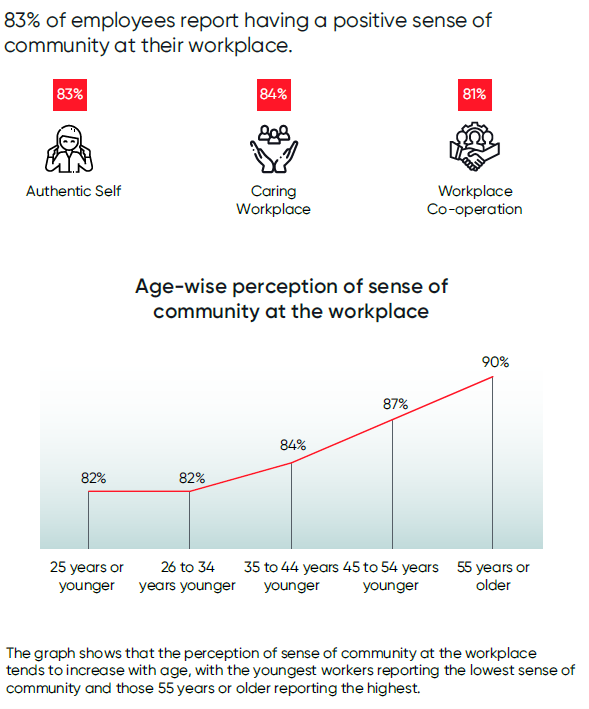
The graph shows that the perception of sense of community at the workplace
tends to increase with age, with the youngest workers reporting the lowest sense of community and those 55 years or older reporting the highest. 83% of employees report having a positive sense of community at their workplace. 84% reports that they have a caring workplace. 81% reports workplace co-operatation.

The Power of Play: Rethinking Breaks in the Workplace 

Toddlers understand the importance of play. It’s not just about fun, it’s essential for learning, development, and well-being. Unfortunately, many adults view breaks as a sign of laziness and often skip them altogether. But research shows that incorporating breaks for play, even short ones, can: 

  • Boost Creativity and Problem-solving: Play allows the mind to relax and wander, which can spark new ideas and innovative solutions. 
  • Reduce Stress and Improve Mood: Playtime triggers the release of endorphins, the body’s natural feel-good chemicals. 
  • Enhance Focus and Concentration: Stepping away from work allows the brain to recharge, leading to renewed focus upon returning. 

Here are some ways to incorporate play into the workday: 

  • Dedicated Game Rooms: Create designated spaces with games, puzzles, or even board games for employees to enjoy during breaks. 
  • Walking Meetings or Walking Breaks: Encourage walking meetings or short breaks to stretch your legs and engage in casual conversation. 
  • Organized Activities: Organize on-site games, group fitness classes, or even meditation sessions to promote well-being and team bonding. 

Conclusion: Building a Culture of Well-Being 

In today’s world of constant hustle, it’s easy to lose sight of well-being. But by embracing some of the simple wisdom toddlers possess – collaboration, curiosity, setting boundaries, prioritizing sleep, celebrating others, and incorporating play – we can cultivate a more positive and productive work environment for all. Let’s redefine our approach to workplace well-being and create spaces where employees can thrive, not just survive. Remember, well-being isn’t a luxury; it’s the foundation for a successful and fulfilling work experience.

Taking Action: A Call to Change 

The well-being crisis in the workplace is real. It’s time to move beyond beanbags and ping-pong tables and embrace a holistic approach to well-being. By implementing the lessons learned from our pint-sized colleagues and fostering a culture of collaboration, curiosity, healthy boundaries, sleep prioritization, celebration, and play, we can build a future where work and well-being go hand-in-hand. The power to create positive change lies within us. Let’s start by unleashing our inner toddler and rediscovering the joy of learning, connecting, and thriving at work.

Innovation is the lifeblood of any organization, propelling it forward in a dynamic landscape. But fostering a culture of creativity and innovation isn’t magic. It requires deliberate effort, supportive leadership, and a nurturing environment. This article explores best practices for nurturing creativity and fostering innovation across various industries, drawing inspiration from leading companies like Juniper Networks, Cadence Design Systems, Reliance Nippon Life Insurance Company (RNLIC), Mahindra, and Flipkart.

Cultivating Creative Confidence: Examples Across Industries

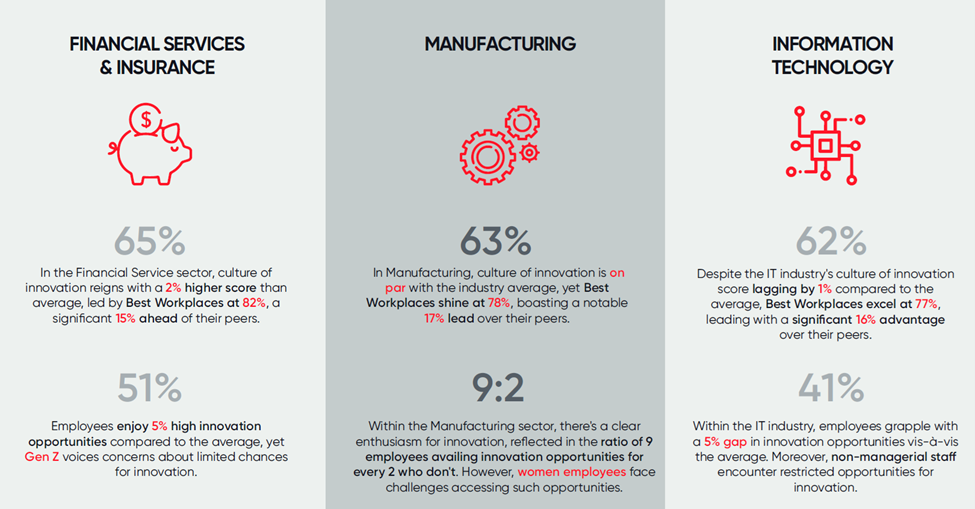
In the Financial Service sector, innovation reigns with a 2% higher score than average, led by Best Workplaces at 82%, a significant 
15% ahead of their peers. Employees enjoy a 5% surplus in innovation 
opportunities compared to the average, yet Gen Z voices concerns about limited chances for innovation. In Manufacturing, innovation on par with the industry average, yet Best Workplaces shine at 78%, boasting a notable 17% lead over their peers. Within the Manufacturing sector, there's a clear enthusiasm for innovation, reflected in the ratio of 9 
employees availing innovation opportunities for every 2 who don't. However, women employees face 
challenges accessing such opportunities. Despite the IT industry's innovation score 
lagging by 1% compared to the average, Best Workplaces excel at 77%, leading with a significant 16% advantage over their peers. Within the IT industry, employees grapple with a 5% gap in innovation opportunities vis-à-vis the average. Moreover, non-managerial staff 
encounter restricted opportunities for innovation.

Information Technology (IT):

  • Juniper Networks:
    • Hard Sell Your Idea: This initiative empowers employees to showcase and pitch innovative ideas with the potential to impact the business. Through a structured process, employees submit concepts, receive feedback, and compete for resources to develop promising ideas. This fosters a sense of ownership and encourages employees to think beyond their day-to-day tasks. The initiative also injects a healthy dose of competition, motivating employees to refine their ideas and present them persuasively.
    • GBS Innovent Program: This program focuses on continuous improvement by encouraging employees to identify and address challenges within processes. Selected ideas are implemented using automation tools, leading to efficiency gains and cost savings. The GBS Innovent program tackles the innovation challenge from a different angle. It focuses on internal processes, empowering employees to streamline operations and identify areas for automation. This not only leads to cost savings and efficiency gains but also boosts employee morale by demonstrating that their ideas are valued and can have a tangible impact on the organization.
  • Cadence Design Systems:
    • Wave of Change: This initiative leverages employee-driven innovation to address challenges across various areas like facilities and professional development. A diverse team empowered with resources identifies opportunities and proposes solutions, fostering a culture of continuous improvement. The Wave of Change initiative goes beyond product development and innovation. It empowers employees to improve the overall work environment, including facilities and professional development opportunities. This holistic approach demonstrates that Cadence recognizes the importance of employee well-being and satisfaction in fostering a culture of innovation.
    • Digital Garage and Idea Maker Labs: These programs provide employees with platforms to nurture creativity and develop groundbreaking products or optimize existing processes. Selected proposals receive support, mentorship, and resources, turning ideas into tangible solutions. Programs like Digital Garage and Idea Maker Labs create dedicated spaces for employees to experiment and explore new ideas. This not only fosters creativity but also reduces the risk associated with experimentation by providing a supportive environment where failures can be learning experiences.

Banking, Financial Services and Insurance (BFSI):

  • Reliance Nippon Life Insurance Company (RNLIC):
    • CEO’s Challenge: This initiative encourages employees to propose solutions beyond their core responsibilities. Promising ideas are selected for sponsorship, with cross-functional teams formed to execute the projects. This fosters ownership and facilitates successful implementation. The CEO’s Challenge directly engages leadership in the innovation process. This not only sends a strong message about the importance of innovation but also ensures that promising ideas have the support and resources needed to be successful.

Manufacturing:

  • Mahindra:
    • Mahindra Innovation Method (MIND): This unified framework integrates various innovation methodologies like Design Thinking and TRIZ. It standardizes practices, fosters collaboration, and equips employees with structured problem-solving tools, leading to disruptive innovations and improved performance. The Mahindra Innovation Method (MIND) provides a structured approach to innovation, ensuring consistency and reducing the risk of reinventing the wheel. By integrating various methodologies, MIND offers employees a diverse toolkit for tackling challenges and developing innovative solutions.

E-commerce:

  • Flipkart:
    • Flipkart Labs: This dedicated team focuses on pioneering innovations in e-commerce. Through a structured approach, they develop and implement solutions that enhance customer experience, operational efficiency, and Flipkart’s competitive edge. The program also encourages collaboration through internal volunteer programs and partnerships with external entities. Flipkart Labs takes a future-oriented approach to innovation. By focusing on pioneering “first-in-India” solutions, they ensure Flipkart stays ahead of the curve and maintains its competitive edge. The collaboration with external entities allows them to tap into a wider pool of knowledge and expertise, accelerating the innovation process.

Key Takeaways for Building a Culture of Innovation

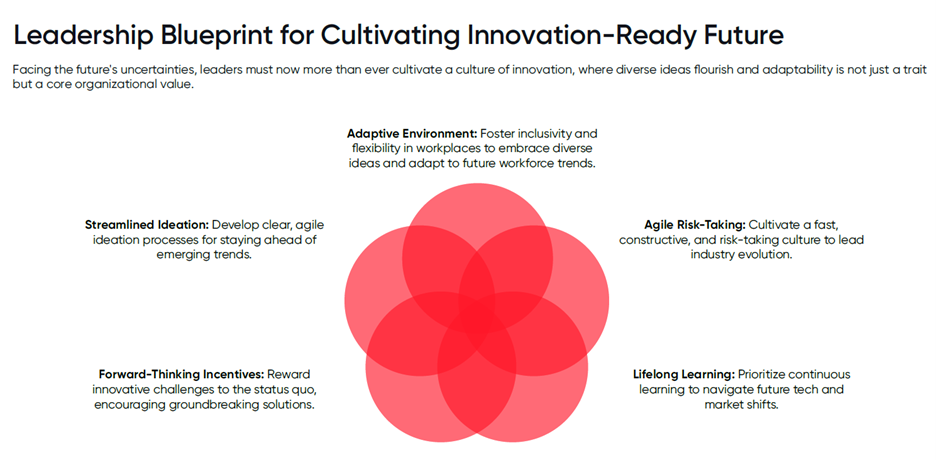
Adaptive Environment. Agile Risk-Taking. Lifelong Learning. Forward-Thinking Incentives. Streamlined Ideation.

These industry-specific examples highlight some key takeaways for building a culture of innovation:

  • Empowerment: Provide employees with platforms and resources to submit ideas and contribute to the innovation process. This could involve creating online idea submission platforms, hosting hackathons, or establishing dedicated innovation centers.
  • Structured Programs: Implement frameworks and initiatives that guide the ideation, development, and implementation of innovative ideas. These programs should provide clear guidelines, milestones, and resources to help employees navigate the innovation process.
  • Cross-functional Collaboration: Foster collaboration between teams from different departments to leverage diverse perspectives and expertise. This can be achieved by forming cross-functional innovation teams, encouraging open communication channels, and organizing brainstorming sessions that bring together employees with different skillsets.
  • Supportive Leadership: Leaders must champion innovation, provide resources, and create a safe space for experimentation and failure. This involves actively seeking out employee ideas, allocating budget for innovation projects, and tolerating calculated risks. Leaders should also celebrate successes and learn from failures to continuously improve the innovation process.
  • Continuous Improvement: Regularly evaluate and refine innovation processes to ensure their effectiveness and alignment with organizational goals. This involves gathering feedback from employees, measuring the success of innovation initiatives, and adapting programs based on the learnings.

Fostering a Growth Mindset

In addition to the key takeaways mentioned above, nurturing a growth mindset is crucial for fostering a culture of innovation. A growth mindset encourages the belief that skills and abilities can be developed through effort and learning. This is essential for innovation because it allows employees to embrace challenges, persevere through setbacks, and continuously learn and improve. Organizations can promote a growth mindset by providing opportunities for professional development, encouraging experimentation, and rewarding employees for their effort and learning, not just for achieving perfect results.

The Road to Innovation: A Continuous Journey

Building a culture of innovation is not a one-time event; it’s an ongoing process that requires continuous effort and dedication. By implementing the best practices highlighted in this article and fostering a growth mindset within the organization, companies across all industries can empower their employees, cultivate creativity, and unlock the power of innovation to achieve sustainable success in a dynamic and ever-evolving world.

Beyond the Examples: Universal Strategies for Innovation

While the previous sections focused on specific industry examples, several key strategies can be applied universally to foster a culture of innovation:

  • Embrace Diversity and Inclusion: A diverse workforce brings a wider range of perspectives and experiences to the table, leading to more creative solutions. Organizations should actively promote diversity and inclusion initiatives to create an environment where everyone feels comfortable sharing their ideas.
  • Recognize and Reward Innovation: Acknowledge and reward employees who contribute to the innovation process, both for successful ideas and for their efforts in exploring new possibilities. This reinforces the value of innovation and motivates employees to continue contributing.
  • Celebrate Failures: View failures as learning experiences rather than punishments. Encourage employees to openly discuss their mistakes and use them to refine their ideas and improve future innovations.
  • Create a Culture of Open Communication: An open and transparent communication culture allows employees to freely share ideas and concerns without fear of judgment. This fosters collaboration and ensures that everyone is on the same page regarding the organization’s innovation goals.
  • Stay Informed About Industry Trends: Leaders and employees should stay up-to-date on industry trends and emerging technologies. This knowledge can spark new ideas and help organizations identify areas where innovation is most needed.

By adopting these universal strategies alongside industry-specific best practices, organizations can create a thriving innovation ecosystem that propels them towards long-term success.

In Conclusion:

Innovation is the key to surviving and thriving in today’s competitive landscape. By fostering a culture of creativity, empowering employees, and implementing effective innovation programs, organizations can unlock their full potential and drive positive change. The journey towards a truly innovative organization is continuous, but the rewards of a successful innovation culture are undeniable. So, take the first step today, nurture creativity within your teams, and embark on the path to a brighter and more innovative future.

In today’s whirlwind of deadlines and demands, employee well-being and resilience are no longer just buzzwords; they’re the cornerstones of individual success and organizational strength. Well-being allows individuals to bring their best selves to work every day, while resilience equips them to bounce back from setbacks. When both are nurtured, employees can truly flourish. Our India’s Best WorkplacesTM in Health and Wellness 2023 report underlines this very notion, highlighting the significance of prioritizing employee self-care and resilience in fostering a healthy workplace culture.

The Power of Feeling Safe

The Workplace Wellness Index showing an upward trend from 79% in 2021 to 84% in 2022. Then a dip to 82% in 2023.

Imagine a workplace where psychological safety reigns supreme. Employees feel comfortable taking risks, voicing their opinions, and admitting mistakes without fear of judgment. This sense of security is a game-changer. According to our research report, employees who experience psychological safety are three times more likely to be committed to their organization for the long haul and twice as likely to go the extra mile. This translates into a more engaged workforce, willing to invest their creativity and energy into achieving organizational goals.

The Cost of Neglecting Well-being

The graphs shows Construction, Infrastructure & Real Estate leading the workplace wellness index at 86%. Retail is at 83%. Biotechnology & Pharmaceuticals, Information Technology, Financial Services & Insurance, Manufacturing & Production and Healthcare at 82%. Professional Services and Education & Training at 81% and NGOs at 80%.

Empowering Your Workforce: 5 Actionable Tips

So, how can you empower your employees on their journey towards self-care and resilience building? Here are five practical tips to get you started:

  • Champion Work-Life Balance: A healthy balance between work and personal life is the bedrock of overall well-being. Encourage employees to establish boundaries between their professional and personal spheres. Consider offering flexible work arrangements, such as remote work options, flexible hours, and generous paid time off policies. This empowers employees to manage their responsibilities outside of work effectively, preventing burnout and fostering a sense of control. Furthermore, consider implementing core work hours where emails and non-urgent messages are discouraged, allowing employees to truly disconnect and recharge during their off time.
  • Cultivate a Workplace Community: A staggering 83% of employees thrive in workplaces where they can be their authentic selves, feel valued, and rely on colleagues for support. Activities like employee resource groups, hobby clubs, and CSR initiatives foster a strong sense of community, nurturing the social well-being of your workforce. Encourage informal connections through virtual coffee breaks or team-building events. Consider incorporating team lunches or after-work social gatherings to create opportunities for employees to connect outside of a work setting. By building a supportive environment where employees feel connected and appreciated, you equip them to better navigate challenges and setbacks.
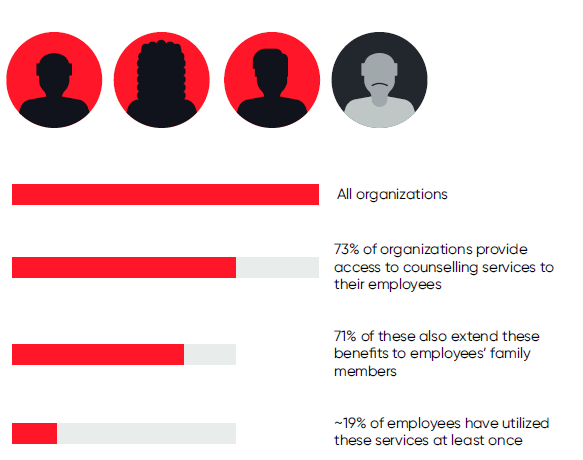
  • Embrace Open Conversations About Mental Health: Mental health issues are a growing concern in today’s workplaces, impacting both employee well-being and productivity. One in four employees hesitate to speak up about stress, burnout, anxiety, or depression for fear of judgment. The time has come to normalize conversations about mental health and encourage employees to seek help when needed. This can be achieved by providing access to Employee Assistance Programs (EAPs) with qualified mental health professionals. Additionally, consider offering mental health awareness workshops to educate employees about common mental health challenges and available resources.
Image showing one out of every four employees struggle in speaking up about stress, burnout, anxiety, or depression at their workplace without feeling judged. 73% of organizations provide access to counselling services to their employees. 71% of these also extend these benefits to employees’ family members. ~19% of employees have utilized these services at least once.
  • Promote a Proactive Approach to Health: Physical well-being is intricately linked to overall well-being and resilience. Many organizations provide health insurance and treatment benefits, but proactive initiatives aimed at promoting healthy lifestyles are often lacking. Our research shows that while 78% of organizations offer access to doctor consultations, only 38% provide programs or benefits related to physical health and fitness. Consider incorporating fitness challenges, health screenings, nutrition workshops, or mindfulness sessions into your well-being infrastructure. A proactive approach to health empowers employees to take charge of their well-being and build resilience. You can also partner with local gyms or fitness centers to offer discounted memberships for employees.
78% of organizations provide
facility for doctor consultations,
38% of organizations provide physical health training related policies or benefits.
  • Lead by Example: Leaders play a pivotal role in shaping workplace culture, and this extends to employee well-being and resilience. Our study reveals that employees in managerial positions report a more consistently positive well-being experience compared to their non-managerial counterparts. This calls for a leadership shift. Leaders need to actively prioritize and champion well-being initiatives. Walking the talk and being open about their own well-being journeys can significantly enhance the experience for all employees. For example, leaders can encourage breaks throughout the workday, model healthy work-life boundaries, and participate in company-sponsored wellness initiatives. By leading by example, you can ensure that a culture of well-being permeates every level of your organization.
Leaders and managers show a consistent high perception
of their workplace wellness experience however employees. In 2022 and 2023 Employees in managerial roles were at 84% and Employees in non managerial roles at 83% in 2022 and 81% in 2023.

The Ripple Effect of Well-being

Investing in employee well-being isn’t just about fostering a positive work environment; it’s about creating a supportive ecosystem where employees can thrive. Happy, healthy, and resilient employees are more engaged, productive, and innovative. They are also more likely to stay with your organization for the long haul, reducing costly turnover rates.

Furthermore, a positive workplace culture spills over into employees’ personal lives, creating a ripple effect that benefits their families and communities. In essence, by prioritizing employee well-being, you’re not just investing in your workforce; you’re investing in the overall well-being of your organization and the wider community. So, act today. Implement these tips, prioritize your employees’ well-being, and watch your organization flourish.

In today’s competitive landscape, companies are always striving for an edge. While factors like innovation and efficiency are crucial, a surprising secret weapon is often overlooked: hospitality. Yes, creating a welcoming environment for new team members isn’t just about courtesy – it’s a strategic move with a significant impact on your bottom line.

Why Warm Receptions Matter 

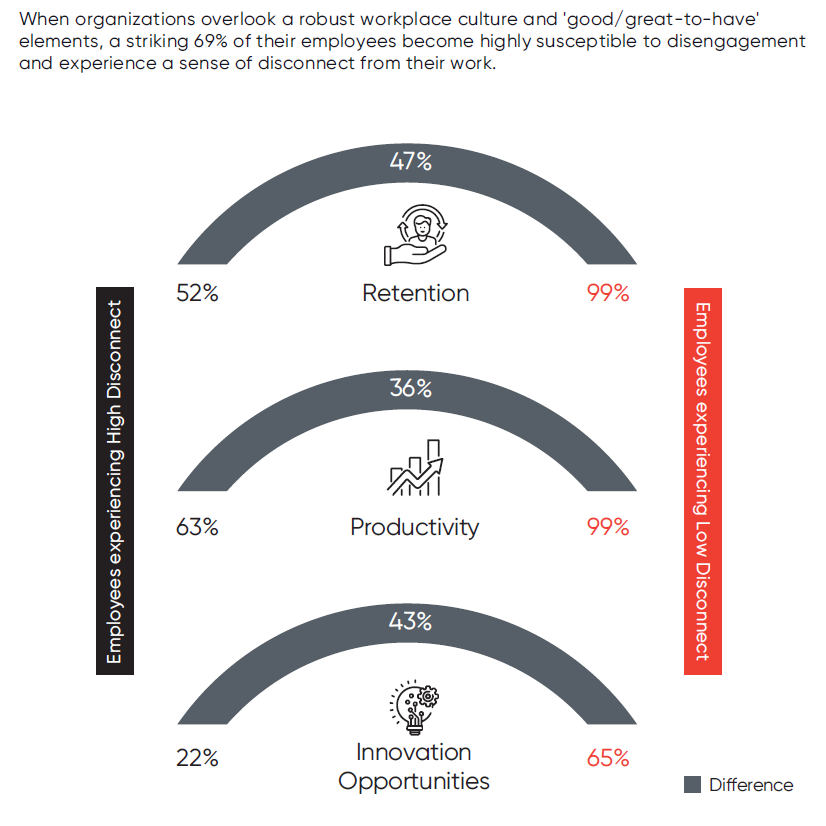
Image showing employees experiencing high disconnect and employees experiencing low disconnect.

Traditionally, hospitality might not be seen as a core business function. However, our research shows that making new hires feel at home is essential, especially during economic downturns. When faced with uncertainty, strong and effective teams become the backbone of a company’s resilience.

Here’s why a welcoming onboarding process is so important:

  • Psychological Safety: A warm reception fosters a sense of psychological safety within the team. This allows members to take risks, share ideas freely, and learn from each other without fear of judgment.
  • Team Effectiveness: When new team members feel welcome, they’re more likely to be engaged and contribute their best efforts. On the flip side, a cold greeting can lead to indifference or even disengagement.
  • Financial Performance: Studies reveal a clear connection between welcoming teams and a company’s financial performance. This link highlights the importance of team effectiveness and psychological safety in driving business success.

The High Cost of Disengagement

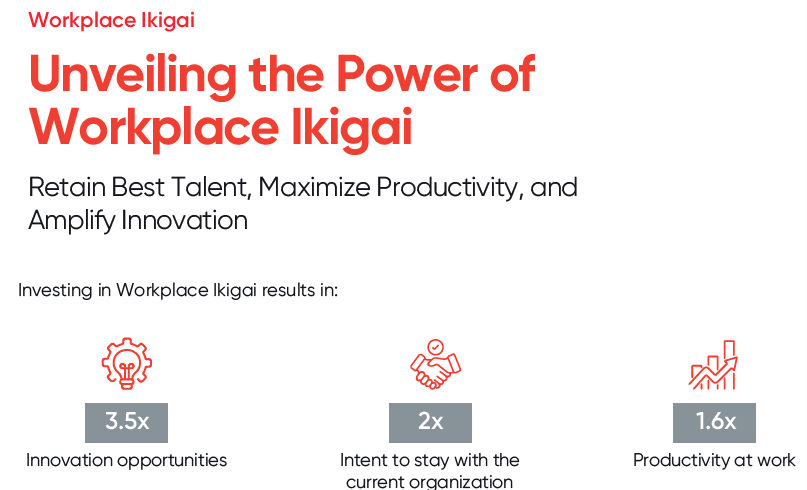
The data is clear: when workplaces fail to prioritize elements that differentiate themselves, like fairness, work-life balance, and employee involvement in decision-making, staff become susceptible to disengagement. This disengagement has a ripple effect, impacting retention, productivity, and innovation.

Image showing unveiling the Power of Workplace Ikigai

To counter disengagement and create a thriving work environment, companies can adopt a holistic approach called “Workplace Ikigai”. This concept goes beyond just offering competitive salaries and benefits. It focuses on aligning individual passions, skills, and values with the organization’s needs. By creating a sense of purpose and fulfillment for each employee, Workplace Ikigai fosters a more engaged and productive workforce.

The Mid-Size Workplace Landscape

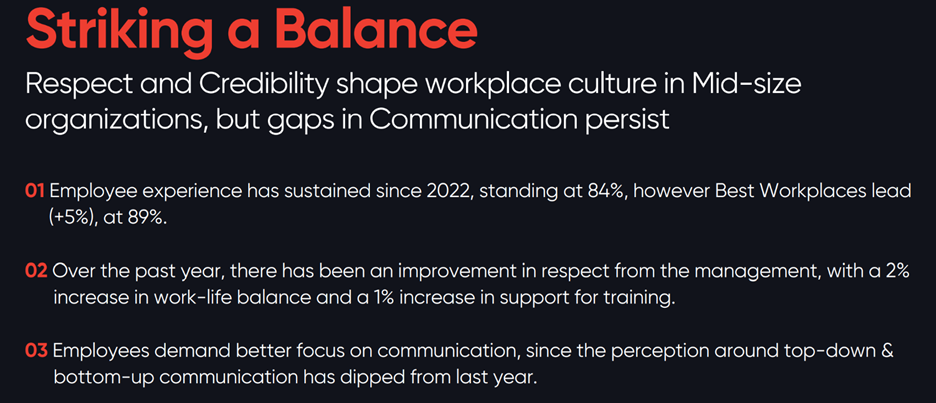
Image showing Striking a Balance

While employee experience scores remained steady in 2023 for mid-size workplaces compared to 2022, there have been some key shifts. Respect from management has risen, highlighting the importance of strong leadership. Additionally, effective communication remains a top demand for employees. Interestingly, even with a sustained overall experience score of 84%, “Best Workplaces” still leads the pack at 89%. This gap highlights the potential for mid-size companies to improve employee experience through targeted efforts.

Building a Welcoming Onboarding Process

So, how can you create a welcoming onboarding experience that fosters team spirit and boosts morale? Here are some key points to consider:

  • Recognize the Impact: Acknowledge the new member’s contribution to the team right from the start. A simple welcome message, a personalized gift basket, or highlighting their skills during introductions can go a long way. This helps them feel valued and motivated.
  • Virtual Onboarding: With the increasing trend of remote work, adapt your onboarding process for the virtual world. Utilize video conferencing platforms to create a sense of connection and allow for face-to-face interaction. Utilize online collaboration tools to share documents, assign tasks, and facilitate communication. Explore virtual team-building activities to break the ice and encourage interaction among new and existing team members.
  • Perks Beyond Tenure: Don’t tie all perks and benefits to an employee’s tenure. While seniority should be acknowledged, offering opportunities for growth and recognition early on demonstrates a commitment to their development. This could include access to mentorship programs, participation in cross-functional projects, or the chance to take on leadership roles in smaller initiatives.
  • Embrace New Ideas: Actively seek new team members’ ideas and involve them in decision-making. This demonstrates trust and encourages them to contribute their unique perspectives. Create opportunities for them to brainstorm solutions, share their expertise, and feel like their voice matters.
  • Diversity, Inclusion, and Equity: Be mindful of creating a welcoming environment that promotes diversity, inclusion, and equity (DE&I). This means nurturing an atmosphere where everyone feels comfortable sharing their ideas, regardless of background or experience. Utilize DE&I training for existing team members to ensure they understand the importance of creating a welcoming space for all.

The Power of Welcoming Teams

By prioritizing a welcoming onboarding process, companies invest in their most valuable asset – their people. This investment pays off in multiple ways. New team members who feel valued and supported are more likely to be engaged, productive, and stay with the company for the long run. Reduced turnover translates to cost savings in recruitment and training. Happy and engaged employees fosters a positive company culture, which in turn, attracts top talent. This virtuous cycle fuels innovation, productivity, and ultimately, a company’s success.
Building a Culture of Welcome

Creating a welcoming environment isn’t a one-time event during onboarding. It’s an ongoing process that requires continuous effort. Here are some additional tips to foster a culture of welcome within your organization:

  • Team Lunches and Outings: Organize regular team lunches or outings to encourage informal interaction and relationship building. This allows new members to connect with colleagues outside of a work setting.
  • Buddy System: Implement a buddy system where new hires are paired with experienced team members who can answer questions, provide guidance, and offer support throughout their initial adjustment period.
  • Mentorship Programs: Formal mentorship programs connect new hires with experienced mentors who can provide career guidance and support their professional development.
  • Regular Feedback and Check-Ins: Schedule regular one-on-one meetings with new hires to provide feedback, answer questions, and address any concerns they may have. This demonstrates that their well-being and development are valued by the company.
  • Open Communication: Encourage open communication throughout the organization. This can be achieved through regular team meetings, all-hands meetings, or anonymous feedback surveys. By creating a culture where open communication is valued, new team members feel comfortable voicing their opinions and concerns.

The Bottom Line: It Pays to Welcome

Investing in a welcoming onboarding process and fostering a culture of inclusion isn’t just the right thing to do – it’s a smart business decision. By creating an environment where new team members feel valued and supported, companies can reap the benefits of a more engaged, productive, and loyal workforce. In today’s competitive landscape, a welcoming team can be the secret weapon that propels your company towards success.