The lines between work and personal life have become increasingly blurred in today’s digital age. Work and personal life were traditionally separate entities with distinct time and space. Individuals would go to their workplaces during designated hours and then return home to engage in personal activities. This clear separation allowed for a balance between work and leisure.

With the rise of remote work, constant connectivity, and the prevalence of social media, employees navigate a complex web of responsibilities and distractions.

1. The Connection to Employee Burnout

A well-defined agenda sets the tone for a successful virtual meeting. Share the agenda with participants in advance, allowing them to prepare, contribute, and raise questions. Ensure the objectives are explicit and aligned with your team’s goals. It is proven that a clear agenda increases meeting productivity by providing a roadmap for discussions and minimizing tangents. 

Lack of recovery time

The lack of recovery time due to work seeping into personal time prevents individuals from disconnecting and rejuvenating. With clear boundaries, employees find it easier to separate themselves from work-related stressors, leading to continuous strain with sufficient rest.

Increased workload and higher expectations

With constant accessibility, employees may be expected to be available and responsive outside regular working hours. The never-ending stream of emails, messages, and tasks creates a sense of always being “on,” leading to heightened stress and exhaustion.

Reduced personal time

Additionally, blurred boundaries reduce personal time and fulfillment. When work spills over into personal life, individuals have limited opportunities to engage in self-care, pursue hobbies, and spend quality time with loved ones. This imbalance erodes overall life satisfaction and adds to the burden of burnout.

2. The Role of a Balanced Management

In today’s day and age, the pressure to constantly mix personal life with work has become prevalent in many organizations. While it’s essential to foster a positive work culture and encourage employee engagement, forcibly blending work and personal life can lead to detrimental outcomes. When employees are constantly expected to participate in work-related social activities, work during vacations, or sacrifice personal time for work, it erodes their ability to disconnect, recharge, and maintain a healthy work-life balance.

This approach not only infringes upon individuals’ privacy but also disregards the importance of boundaries for their well-being. It can lead to increased stress, burnout, and decreased job satisfaction. When employees feel their time is consistently invaded, it can negatively impact their motivation, creativity, and overall performance.

3. Work Culture and Organizational Expectations

Organizational culture plays a significant role in work-life boundary blurring. Cultures prioritizing constant work engagement and long hours erode boundaries, while those valuing work-life balance and well-being support healthier boundaries. Leadership behavior sets the tone for boundary management within organizations, with leaders who model healthy work-life integration encouraging employees to do the same.

Expectations of immediate responses and 24/7 availability contribute to blurred boundaries. Communication technologies enable instant connectivity, creating an expectation of constant availability and quick responses. In globally connected organizations, teams in different time zones may require round-the-clock availability and challenging work-life boundaries.

4. Strategies for Balancing Work and personal life

Setting workload expectations

Setting realistic expectations for work and personal life is crucial for maintaining a healthy work-life balance. It starts with prioritizing and managing your workload effectively. Set achievable goals, prioritize tasks based on importance and urgency, and learn to delegate or seek support when needed.

Setting reasonable expectations for your workload can prevent work from encroaching on your time. Clearly defining your work and personal boundaries is equally important. Communicate these boundaries to colleagues, supervisors, and clients, and assertively protect them. Let others know when you are available and when you need uninterrupted personal time.

Scheduling regular self-care activities

Practicing self-care and setting boundaries is vital to maintaining a healthy work-life balance. Schedule regular self-care activities that promote relaxation, well-being, and personal fulfillment. This can include exercise, hobbies, spending time with loved ones, or engaging in activities that recharge and rejuvenate you.

Additionally, establish work-free zones in your home or specific times when work-related activities are not allowed. By creating physical boundaries, you can help create a mental separation between work and personal life.

Be rigid about your boundaries.

Learning to say no is also crucial. Set limits and be comfortable declining requests or negotiating deadlines when your workload or personal commitments become overwhelming. Respectfully assert your boundaries to avoid overextending yourself.

5. Leverage Technology

While technology can contribute to blurred boundaries, it can also be harnessed effectively to support work-life integration. Leverage productivity tools and apps to streamline tasks, manage time efficiently, and enhance productivity. This can help you accomplish more in less time, allowing for a better balance between work and personal life.

Establish digital boundaries by implementing designated technology-free periods or limiting the use of work-related apps and notifications during personal time. This helps create a healthier relationship with technology and reduces the constant temptation to engage with work.

By recognizing the importance of work-life balance and taking proactive steps to address the blurred boundaries, individuals and organizations can create an environment that fosters employee well-being, engagement, and productivity. It is a collective effort that requires ongoing evaluation, adjustment, and a commitment to prioritizing the holistic needs of employees. Together, we can navigate the challenges of blurred boundaries and cultivate a healthier and more sustainable approach to work and personal life.

To learn more about how to create a healthy workplace, visit us here.
Our recent announcement of the top 100 India’s Best Companies To Work For™ allowed us to look into valuable insights into workplace culture and employee satisfaction. With a wealth of data available, we have extracted key insights that shed light on what makes these companies stand out. In this blog, we will delve into these insights, exploring the factors contributing to their success and the lessons that can be learned from their exemplary practices.

The Upside to Investing in Best Workplaces

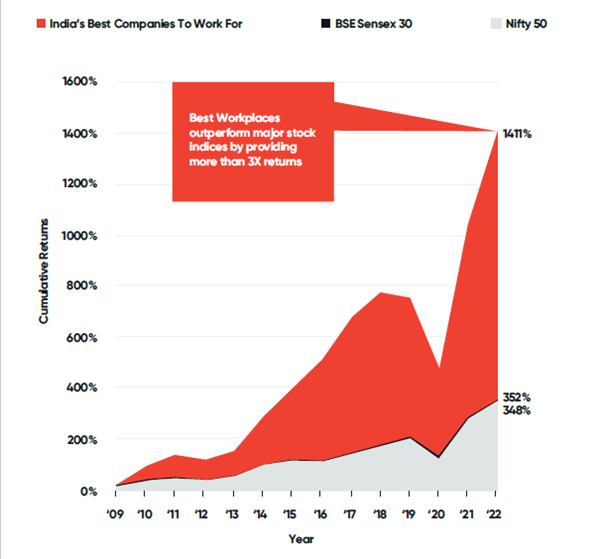
According to a study by RSM India, investing in the best workplaces not only fosters a High-Trust, High-Performance Culture but also leads to higher business returns. RSM India study reveals that Best Workplaces have yielded 14X cumulative returns on the initial investment since 2008–09.

A key insight from the report highlights the significance of fair pay and treatment and a better work environment in driving Great workplace experience. When individuals perceive that they are paid and treated fairly, they are five times more likely to consider their organization a great workplace.

Furthermore, providing an equitable experience across demographics has resulted in an 8% increase in productivity and a 10% boost in innovation.

These insights highlight the benefits of investing in the best workplaces, including enhanced employee satisfaction, increased productivity, and improved innovation.

Enabling Employees to Maximize Their Potential

During the current high growth phase of the Indian economy, it becomes crucial for organizations to focus on enabling their employees to maximize their potential. This entails creating an environment where employees are empowered to thrive and excel. By fostering such a culture, organizations can tap into the capabilities and talents of their workforce, enabling them to contribute to the growth and success of the business in this transformative period of the Indian economy.

Creating an organization that maximizes human potential requires ensuring that every individual, regardless of their background or role, has a consistently positive experience. This inclusive approach is essential for unlocking the full potential of employees.

Therefore, harnessing the benefits of maximizing human potential serves as a powerful catalyst for progress and becomes a critical component in seizing the expected economic growth for India. By maximizing human potential organizations can effectively leverage the talent and capabilities of their workforce, fueling both individual and collective success in the evolving Indian economy.

Dimensions of Indian Workplace Culture across Demographics and Industries

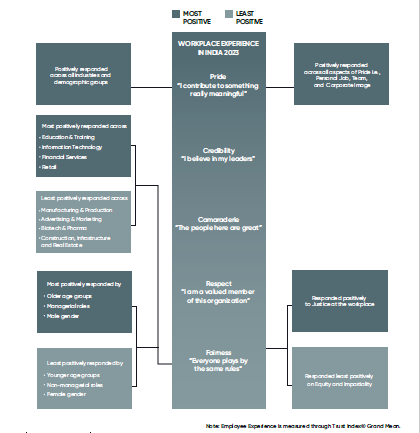
The culture of workplaces encompasses five key dimensions that cut across demographics and industries. In 2023, the Employee Experience dimension has slightly increased by 1%, reaching 83%. This improvement can be attributed to the efforts of Best Workplaces in creating an environment that supports and nurtures employees.

Among the dimensions, Pride stands out as the most positive aspect, exhibiting a 5% difference from the lowest dimension, Fairness. This indicates that employees feel a strong sense of Pride in their work and organization. Furthermore, Respect and Camaraderie have grown since the previous year, with a 1% increase each. These findings highlight the status of each dimension and identify those that determine the strengths and areas for improvement.

Standing Out in 2023: How the Best Workplaces Outshine Others

In the current year, Best Workplaces have further showcased its excellence by excelling in fair gain sharing, equitable compensation practices, and providing a superior work environment. These outstanding qualities have accentuated the growing disparity between Best Workplaces and other workplaces. As a result, Best Workplaces have distinguished themselves, even more this year, with an average of 10% more employees responding positively to these aspects.

The key to unlocking greatness within organizations is ensuring fair pay, fair treatment, and a better work environment for employees. Irrespective of the industry, when individuals perceive that they are paid fairly, treated equitably, and provided with an improved work environment, they are five times or more likely to consider their organization a Great Place To Work.

Adding the Lens of Size and Industry, the First Step to Devise Workplace Culture Solutions 

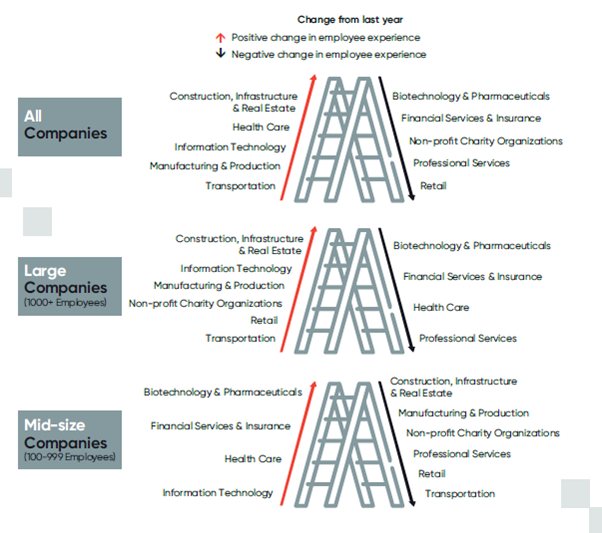
When it comes to workplace culture solutions, it is crucial to consider the size and industry of the organization. Compared to the previous year, the Construction, Infrastructure & Real Estate, Non-profit Charity Organizations, Retail, Information Technology, Transportation, and Manufacturing & Production sectors in large companies have surpassed others, resulting in an overall improvement in employee experience. Although the overall experience remains similar, mid-size companies have shown higher year-to-year shifts, while large companies have maintained a stable experience.

This highlights the importance of customizing strategies to suit specific sectors and company sizes to achieve successful outcomes. Recognizing the unique dynamics and challenges within each industry and company size allows organizations to tailor their approaches to address their employees’ specific needs and expectations. By implementing targeted strategies and interventions, organizations can foster a workplace culture tuned to the characteristics of their industry and size, leading to enhanced employee engagement, satisfaction, and overall success.

Trends Shaping the Future of Workplace

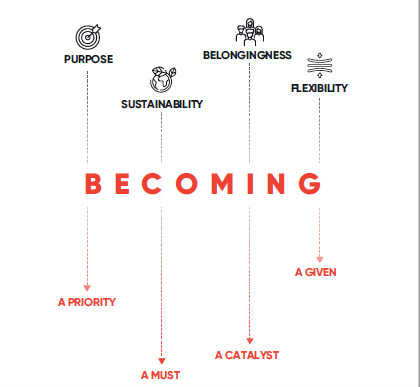
In the rapidly evolving world, there has been a shift in priorities. Purpose has emerged as a leading force, and sustainability is no longer seen as optional but a necessary component. Belonging has become a driving force for progress, and flexibility is now an inherent expectation. These facets are transforming not only how we lead but also how we operate and thrive in the modern workplace.

The development of For All Leadership is essential to navigating this new paradigm. With For All leaders at the helm, everyone within the organization consistently experiences a great workplace.

For All Leadership recognizes the significance of inclusivity, purpose-driven practices, and adaptability in empowering individuals and driving organizational success in this evolving landscape. By embracing these principles and fostering a culture of For All Leadership, organizations can effectively navigate the changing dynamics of the world while enabling employees to thrive, innovate, and contribute to a better future for all.

By prioritizing fair pay, fair treatment, and a better work environment, these companies have demonstrated their commitment to employee satisfaction. The significance of For All Leadership must be noticed, as it has been shown to unlock the full potential of individuals and foster a culture of inclusivity and purpose. As we navigate a rapidly changing world, embracing priorities such as purpose, sustainability, belonging, and flexibility is crucial. By incorporating these principles into our organizations, we can create environments where employees find meaning in their work, make a difference, and contribute to a better future.

To learn more about the best practices of India’s Best Companies To Work For™ download the report here.

In the relentless realm of the modern workplace, the mental well-being of managers often hides in the shadows. Yet, their state of mind holds the key to team dynamics and performance. Imagine a team led by a struggling manager grappling with their mental health battles. As their resilience wanes, cracks appear in communication, decision-making, and overall team cohesion. Recognizing the profound impact of managers’ mental health is an imperative call to prioritize and support these leaders, igniting a path toward success for the organization and its teams.

The Impact of Managers’ Mental Health on Team Productivity

Managers’ mental well-being profoundly influences their decision-making, communication, and leadership style. When managers are experiencing high levels of stress, anxiety, or burnout, their ability to think clearly and make sound decisions can be compromised.

Additionally, their communication with team members may need to improve, leading to misunderstandings or a need for clarity in expectations. Furthermore, a manager’s leadership style can be affected, with potential consequences such as micromanagement, lack of trust, or inconsistent guidance.

Numerous studies have demonstrated a strong correlation between a positive manager’s mental health and employee motivation, satisfaction, and productivity. When mentally healthy, managers are better equipped to provide support, recognition, and constructive feedback to their team members. This fosters a positive work environment and enhances employee engagement and morale.

According to Great Place To Work® research, “India’s Most Trusted Leaders put in 12% more effort than their counterparts in preparing managers for leadership positions.” This statistic further reinforces the correlation between positive mental health in managers and their teams’ motivation, dedication, and effectiveness. It emphasizes the significance of investing in managers’ mental well-being to unlock the full potential of both managers and their teams, ultimately driving organizational success.

Organizational Benefits of Prioritizing Managers’ Mental Health

  • Increased productivity When mentally healthy, managers are better equipped to make sound decisions, communicate effectively, and lead their teams with clarity and focus. This fosters a more productive work environment, as team members feel supported, motivated, and empowered to perform at their best.
  • Enhanced employee retention Prioritizing managers’ mental health creates a positive work culture that values the well-being of employees. This, in turn, increases employee satisfaction and loyalty, reducing turnover rates.
  • Improved employee satisfaction Managers who prioritize their mental health are more attuned to the needs and concerns of their team members. Managers can enhance employee satisfaction and engagement by fostering a supportive and inclusive environment. Happier employees are more likely to be productive, provide better customer service, and contribute positively to the organization’s overall success.
  • The attraction of top talent Organizations prioritizing and supporting managers’ mental health are more likely to attract top talent. Prospective employees seek organizations prioritizing work-life balance, employee well-being, and mental health support.

Nurturing Managerial Mental Health for Organizational Success

To foster managerial mental health, organizations must create a supportive work environment that values mental well-being. This can be achieved by promoting open and honest communication, where managers feel comfortable discussing their mental health concerns without fear of judgment or stigma. Organizations should actively encourage managers to prioritize self-care and set boundaries to maintain a healthy work-life balance.

Promoting work-life balance and stress management is essential for supporting managers’ mental health. Organizations can implement policies and practices that encourage reasonable work hours, flexible scheduling, and adequate time off.

Regular mental health check-ins and support systems within the organization are vital for promoting managerial well-being. Organizations should establish a culture of checking managers’ mental health through one-on-one meetings or anonymous surveys to understand their challenges and offer appropriate support.

Recognizing Signs of Struggling Managers

Providing insights into identifying signs of mental health issues in managers is crucial for early intervention and support. Some common indicators may include noticeable changes in behavior, such as increased irritability, frequent mood swings, or withdrawal from social interactions. Managers may exhibit reduced productivity, difficulty concentrating, or declining decision-making abilities. Physical symptoms like fatigue, insomnia, or changes in appetite can also be signs of underlying mental health issues.

Recognizing the signs of struggling managers and promoting a culture of open communication and empathy is crucial in ensuring their well-being. By addressing mental health challenges proactively, organizations can provide the necessary support systems and resources to help managers navigate their struggles, reduce potential negative impacts on their teams, and foster a workplace culture of compassion and support.

Strategies for Teams to Support Managers’ Mental Health

  • Practice empathy and understanding Cultivate a culture of empathy within the team. Seek understanding and empathizing with the manager’s experiences, challenges, and emotions. Show support and offer a listening ear without judgment.
  • Share the workload Offer assistance and collaborate with the manager to distribute the workload effectively. Recognize when they may be overwhelmed and provide support to ensure a manageable workload.
  • Encourage work-life balance Respect and encourage boundaries between work and personal life. Avoid unnecessary after-hours communication and support the manager in taking breaks and time off to recharge and rejuvenate.
  • Offer positive feedback and recognition Recognize the manager’s efforts, achievements, and contributions. Providing positive feedback and acknowledging their accomplishments can boost their morale and sense of value.
  • Promote a supportive team environment Foster a sense of camaraderie and support within the team. Encourage team-building activities, such as team lunches or recreational events, to strengthen relationships and create a supportive network.

Implementing these strategies can create a team culture that values and supports managers’ mental health.

The importance of managers’ mental health for the organization and their teams cannot be overstated. Organizations and groups must prioritize mental health for a thriving, high-performing workforce. By recognizing the impact of managers’ mental health on team dynamics and productivity, organizations can create an environment where managers feel supported and empowered to prioritize their well-being.

To learn more about how to promote employee wellness, visit us here.

Employee attrition has become a significant concern in the contemporary work environment. Organizations across various industries are witnessing a growing trend of employees quitting their jobs, which has profound implications for employers and employees. In this blog, we aim to delve deeper into the primary drivers behind employee turnover, shedding light on the factors that push employees to seek new opportunities elsewhere.

Evolving Workforce Dynamics

The nature of work has undergone significant changes in recent years, impacting employees’ expectations and motivations. Understanding these shifts is essential in addressing the drivers behind employee attrition.

The Rise in Gig Economy

The rise of the gig economy, characterized by short-term contracts and freelance work, has provided individuals with increased autonomy and flexibility. Many employees are attracted to the gig economy because they can choose their projects, set their schedules, and enjoy diverse experiences. However, this shift has influenced traditional employees’ perceptions, as they seek similar flexibility and autonomy.

Remote Work Culture & Flexible Schedules

Remote work has also gained prominence, accelerated by technological advancements and the COVID-19 pandemic. The ability to work from anywhere has become an attractive proposition for employees, offering greater work-life integration, reduced commuting time, and increased productivity. Flexible schedules, including options such as compressed workweeks, part-time arrangements, and job sharing, have become increasingly sought after. In addition, employees are seeking ways to balance their obligations with work responsibilities. As a result, organizations that can accommodate flexible schedules are more likely to attract and retain top talent.

Lack of Career Growth Opportunities

Career advancement and professional development are crucial factors that significantly impact employee satisfaction, engagement, and retention. Employees seek opportunities to grow, develop their skills, and advance their careers. When organizations fail to provide clear paths for growth, it can lead to increased attrition.

The Fear of Stagnation

Employees value organizations that invest in their development and offer avenues for progression. However, limited growth prospects can result in stagnation, where employees feel stuck in their current roles without the opportunity to acquire new skills or take on increased responsibilities. This lack of growth can lead to disengagement, decreased motivation, and the decision to seek new opportunities elsewhere. Organizations must prioritize creating clear career paths for employees to address this driver of attrition. This involves outlining the potential progression within the company, identifying skills and competencies required for advancement, and providing opportunities for professional development.

Recognition Programs

Recognition programs are equally important in reducing turnover. Employees want to feel valued and appreciated for their contributions. Recognizing and rewarding employees for their achievements and milestones can foster a positive work environment and enhance employee engagement. Recognition can take various forms, including monetary rewards, public acknowledgment, career advancement opportunities, or even simple gestures like expressing gratitude and providing constructive feedback.

Poor Leadership and Organizational Culture

Leadership styles and management practices significantly impact employee morale, job satisfaction, and retention. A positive and supportive work environment starts with solid leadership. Toxic work environments, characterized by unhealthy competition, lack of trust, and negative interpersonal dynamics, can harm employee well-being and satisfaction. Employees subjected to toxic work environments may experience increased stress, anxiety, and diminished job satisfaction. Such conditions can drive talented employees to seek opportunities in healthier work environments where they feel valued and supported.

Micromanagement

Micromanagement is another factor that negatively affects employee satisfaction and retention. When employees feel constantly monitored, their autonomy and creativity are limited, and job satisfaction decreases. Micromanagement erodes trust and can lead to feelings of disempowerment and a lack of growth opportunities. As a result, employees often seek environments where they can exercise autonomy, make decisions, and contribute meaningfully to their work

Lack of Transparency

Lack of organizational transparency can also contribute to employee dissatisfaction and attrition. When communication is limited, decision-making processes are opaque, and information is shared openly, employees may feel connected to the organization’s goals and direction. This lack of transparency can erode trust and lead to frustration among employees who want a clear understanding of how their work contributes to the organization’s success.

Balance in Work-Life

The growing emphasis on work-life balance stems from the need for individuals to maintain a sense of equilibrium between their professional and personal lives. Employees facing excessive workloads, long hours, and an inability to disconnect from work can lead to burnout, increased stress levels, and a decline in mental and physical well-being. This, in turn, can negatively impact job satisfaction, productivity, and employee retention.

Work-Life Balance and Well-being

The growing emphasis on work-life balance stems from the need for individuals to maintain a sense of equilibrium between their professional and personal lives. Employees facing excessive workloads, long hours, and an inability to disconnect from work can lead to burnout, increased stress levels, and a decline in mental and physical well-being. This, in turn, can negatively impact job satisfaction, productivity, and employee retention.

Increased Stress Levels

Stress and mental health issues have also become significant challenges in the workplace. For example, high-pressure work environments, tight deadlines, and excessive expectations can lead to anxiety, depression, and other mental health concerns. In addition, organizations that neglect employee well-being may experience increased absenteeism, decreased productivity, and higher turnover rates.

Organizations can reduce turnover and improve employee retention by addressing the abovementioned factors and creating a supportive, inclusive, and engaging work environment. In addition, prioritizing the needs and well-being of employees contributes to a more satisfied and committed workforce, ultimately leading to tremendous organizational success. To learn more about creating a positive environment focusing on employee well-being, visit us here.

Key Takeaways:

1. New parents face stress balancing work and family.
2. Flexible work and parental leave are critical supports.
3. On-site childcare and EAPs improve well-being.
4. Inclusive culture fosters retention and engagement.

Parenting challenges at work often stem from balancing job demands with family responsibilities. Companies can ease this burden through flexible policies, parental leave, and supportive cultures. For new parents, balancing work and family responsibilities can be particularly daunting. The struggle to find harmony between these two critical aspects of life can take a toll on their well-being, leading to stress, fatigue, and guilt.

This blog will explore new parents’ challenges in balancing work and family responsibilities and how companies can provide valuable support and create an environment aiding their success and happiness.

How Companies Can Support New Parents?

Here are some ways through which companies can support new parents in overcoming parenting challenges at work:

Flexible Work Arrangements

The importance of flexible work arrangements for new parents cannot be overstated. By offering flexible work options, companies demonstrate their commitment to supporting their employees’ personal lives and well-being.

Flexible working hours allow parents to adjust their work schedules to accommodate childcare needs. Secondly, remote work or telecommuting enables parents to work from home or a location of their choice, reducing commuting time and providing greater flexibility in managing family responsibilities. Numerous companies have successfully implemented flexible work policies, setting examples for others.

Enhanced Parental Leave Policies

Comprehensive and extended parental leave policies play a crucial role in supporting new parents during the early stages of their child’s life. By offering adequate time off, companies acknowledge the importance of parental bonding, well-being, and the need for a smooth transition into parenthood.

Several companies have set exemplary standards by implementing generous parental leave policies to reduce parenting challenges at work. These companies recognize the importance of providing ample time for new parents to fully engage in parenting responsibilities while fostering loyalty and employee satisfaction.

On-Site Childcare Facilities

On-site childcare facilities offer numerous advantages for working parents. By having childcare services available within the workplace premises, parents can have peace of mind. Because they know their children are in a safe and nurturing environment nearby. This proximity reduces commuting time and stress associated with drop-offs and pickups at external childcare centers. Additionally, on-site childcare eliminates the need for parents to make separate arrangements. This allows for a more seamless integration of work and family life.

Furthermore, having access to on-site childcare can contribute to a better work-life balance by enabling parents to spend more quality time with their children during breaks and lunch hours, fostering stronger parent-child relationships.

Employee Assistance Programs (EAP)

Employee Assistance Programs (EAP) are workplace initiatives to support employees’ mental, emotional, and personal well-being. EAPs often include a range of resources and services to assist employees in dealing with various challenges, including parenting-related ones. For new parents, EAPs can offer valuable support and guidance during the transition into parenthood, addressing the unique needs and concerns during this period.

These programs may offer counseling services, workshops, and educational materials specifically tailored to address parenting-related issues such as stress management, work-family integration, and child development. In addition, they emphasize the importance of supporting employees throughout their parenting journey.

Supportive and Inclusive Company Culture

Fostering a supportive and inclusive company culture is crucial for creating an environment where new parents feel valued, supported, and empowered. Such a culture recognizes the diverse needs of employees and ensures that they are treated with respect and fairness. By prioritizing support for new parents, companies contribute to their well-being and promote employee engagement, retention, and overall organizational success.

Also Read: A Guidе to Employее Survеys: Stratеgiеs, Bеst Practicеs, and Tools 

Initiatives like mentorship programs and employee resource groups significantly support new parents and create an inclusive work environment. Mentorship programs pair new parents with experienced employees who can provide guidance, support, and advice on navigating the challenges of balancing work and parenting responsibilities. Employee resource groups dedicated to parents or families can offer a platform for sharing experiences, providing a sense of community, and advocating for policies and programs that benefit new parents.

Wellness Programs for Employees

Employee wellness programs are highly relevant for new parents as they promote overall well-being and provide support in areas that directly impact their physical and mental health. These programs recognize that maintaining a healthy work-life balance is essential for parents to manage their personal and professional responsibilities effectively. By prioritizing employee wellness, companies create an environment that supports new parents in maintaining their physical and mental well-being while navigating parenting challenges.

Companies must support new parents because it benefits the individuals and their families and positively impacts the organization as a whole. Companies enhance employee satisfaction, engagement, and retention by providing support and accommodations for new parents. This, in turn, leads to increased productivity, improved work-life balance, and a positive organizational culture. In addition, reducing some parenting challenges at work acknowledges the challenges they face. It demonstrates a commitment to creating a workplace that values and supports the diverse needs of its employees.

Supporting new parents is not just an investment in the present; it is also an investment for the organisation’s future. By implementing such employee well-being initiatives, companies can make a difference in the lives of new parents and contribute to a more supportive and family-friendly work environment.

To learn more about employee wellbeing initiatives, visit us here.

Frequently Asked Questions

1. What are common parenting challenges at work?

Balancing work schedules, childcare, and personal well-being are the top challenges for working parents.

2. How can employers support new parents?

Employers can offer flexible schedules, parental leave, childcare options, and wellness programs.

3. Why is parental leave important?

It allows parents to bond with their child, reduces stress, and improves employee loyalty.

4. What is an Employee Assistance Program (EAP)?

EAPs provide counseling, resources, and guidance for employees facing personal or family challenges.

5. How does company culture impact working parents?

A supportive culture fosters inclusion, reduces burnout, and improves employees retention.

In today’s rapidly evolving and highly competitive work environments, effective leadership is essential for creating a culture that nurtures trust, collaboration, and innovation. Psychological safety is a critical factor that contributes to a healthy and thriving workplace.

When employees feel psychologically safe, they are empowered to express themselves freely, voice their opinions, and contribute their unique perspectives without fear of negative repercussions. Psychological safety encourages open communication, idea-sharing, and team synergy. This blog post will delve into the profound significance of psychological safety in the workplace.

Understanding Psychological Safety

Psychological safety is a concept that revolves around creating an environment where individuals feel safe and comfortable expressing their thoughts, ideas, concerns, and opinions without the fear of negative consequences. It encompasses a sense of trust, openness, and mutual respect among team members, where everyone feels valued, and their contributions are acknowledged.

Psychological safety is crucial for several reasons

Encourages Risk-Taking

When employees feel psychologically safe, they are more likely to take calculated risks, explore innovative ideas, and challenge the status quo.

Promotes Open Communication

Psychological safety enables open and honest communication among team members. As a result, individuals feel empowered to speak up, share their perspectives, ask questions, and engage in constructive debates.

Enhances Learning and Growth

When individuals feel safe to make mistakes, they are more inclined to experiment, learn from failures, and continuously improve.

Lead by Example

Leaders play a pivotal role in establishing and nurturing psychological safety within their teams. They are responsible for setting the tone and modeling the behaviors they wish to see in others. Here are some key ways leaders can lead by example:

Demonstrating Vulnerability

Leaders who openly acknowledge their mistakes, share their challenges and express vulnerability create a safe space for others to do the same. By demonstrating that it is acceptable to be imperfect, leaders encourage employees to take risks, share their concerns, and learn from their experiences.

Empathy and Understanding

Leaders should strive to understand their employees’ experiences, emotions, and perspectives. By practicing empathy, leaders demonstrate that they care about their team members’ well-being and are willing to support them.

When leaders consistently exhibit these behaviors, they create a culture where everyone values and practices psychological safety. Team members feel inspired and empowered to follow their leaders’ example, resulting in a cohesive and high-performing team that thrives on open communication and mutual support.

Foster Trust and Respect

Building trust and respect is fundamental to cultivating psychological safety within a team. Therefore, leaders should prioritize developing solid relationships with their team members, establishing credibility, and demonstrating integrity.

Open and Transparent Communication

Leaders should be transparent in communication, sharing relevant information with their team members and honest about challenges and decisions. Transparent communication fosters trust by creating a sense of inclusion and shared understanding.

Delegate and Empower

Trust your team members by delegating responsibilities and giving them autonomy in their work. By empowering employees and showing confidence in their abilities, leaders create a sense of trust and respect, contributing to psychological safety.

Embrace and Learn from Mistakes

In a psychologically safe workplace, mistakes are viewed as opportunities for growth and learning. Therefore, leaders should encourage a culture that embraces mistakes and supports individuals in learning from them.

Psychological Safety Around Failure

Create an environment where individuals can openly admit mistakes and discuss failures. Foster a growth mindset that sees failures as learning experiences rather than reasons for blame or punishment.

Foster a Learning Culture

Encourage continuous learning and professional development within the team. Provide resources, training opportunities, and encourage individuals to learn from their mistakes and share their wisdom with others.

Address Conflict and Difficult Conversations

Conflict is a natural part of any workplace; addressing it constructively is crucial for maintaining psychological safety.

Establish Clear Expectations

Set clear expectations for behavior and communication within the team. This includes promoting respect, active listening, and constructive feedback. By establishing guidelines, everyone understands the boundaries and can navigate conflicts more effectively.

Encourage Collaboration and Perspective-Sharing

Encourage conflicting parties to collaborate and seek different perspectives. This helps broaden their understanding and promotes empathy. Encourage individuals to find areas of agreement and work towards a mutually satisfactory resolution.

Provide Coaching and Skill-Building

Offer coaching and skill-building opportunities to individuals who struggle with conflict resolution. Guide effective communication, emotional intelligence, and problem-solving techniques. By equipping team members with these skills, leaders empower them to navigate conflicts more effectively.

Follow-up and Monitor Progress

After addressing a conflict, follow up with the involved parties to ensure the resolution is effective and sustainable. Monitor progress and provide ongoing support as needed. This demonstrates your commitment to fostering psychological safety and maintaining a positive work environment.

Creating a psychologically safe workplace is a transformative process that requires ongoing commitment from leaders. By prioritizing trust, open communication, learning, and addressing conflict, leaders can build a culture that empowers employees to bring their whole selves to work, collaborate effectively, and thrive individually and collectively. The journey toward psychological safety is continuous, and the rewards are invaluable.

To learn more about creating a positive work environment, visit us here.

In the dynamic landscape of BFSI, organizations have come to understand the importance of creating a positive work environment. Our latest research report highlights the impact of these practices, revealing that employees in the best workplaces within the BFSI industry report a higher level of involvement and a significantly more positive work environment.

Blurring lines of BFSI

The BFSI industry is transforming, with its new avatar characterized by government support, domestic demand, and technological advancements. In addition, technological progress has enabled consumers to access multiple transaction opportunities within a single platform, blurring the boundaries between various business sectors.

Amidst these changes, one constant aspect is the industry’s focus on people-centricity. Recognizing the evolving landscape, employees have become crucial enablers and facilitators in this changing environment.

BFSI Workplace Culture: Employee Gaining Importance

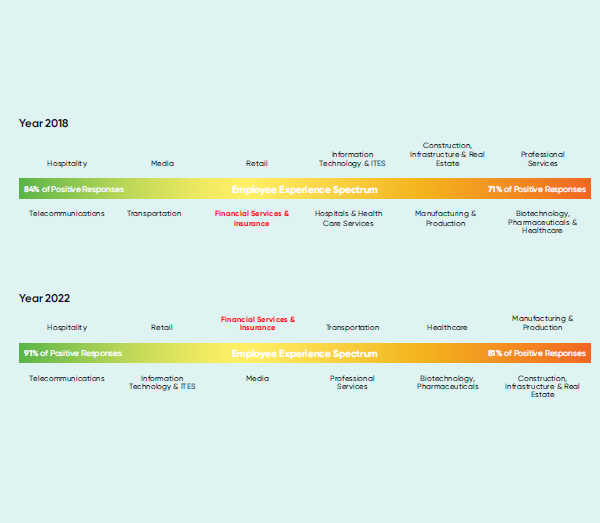
In the past four years, employees in the BFSI industry have reported increased positive workplace experiences. The industry’s overall employee satisfaction has risen by 5 points, from 79 to 84, ranking it 5th among other sectors. This improvement can be attributed to work-life balance, competitive compensation packages, and a supportive corporate culture.

The BFSI sector’s focus on employee satisfaction attracts top talent, enhances productivity, and strengthens its reputation. However, there is still room for improvement through investments in employee development, feedback mechanisms, and initiatives that foster a sense of belonging and purpose. By adapting to evolving workforce needs, the BFSI industry can sustain its positive and fulfilling work environment for continued growth and success.

Varied strengths and needs for BFSI verticals

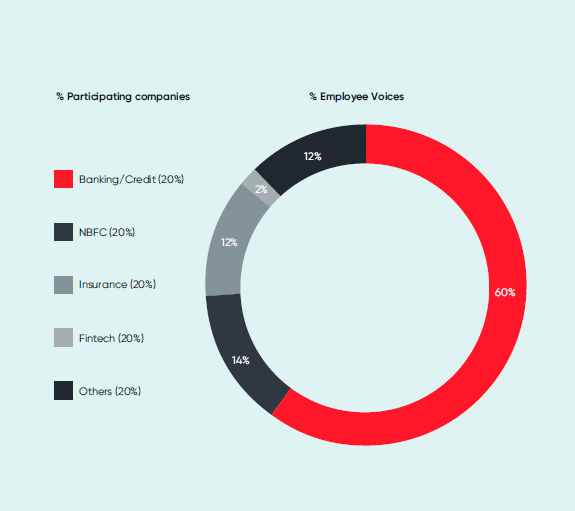
Banking/Credit Companies

This vertical has the highest employee representation within the industry. However, there is a need to prioritize and improve workplace culture to ensure a positive employee experience.

Fintech Companies

Fintech companies are increasingly participating in workplace culture assessments. This indicates a growing recognition of the importance of fostering a positive work environment and addressing the needs and expectations of employees.

Life Insurance

Life insurance companies excel in building a great workplace culture. Their focus on creating a positive and engaging work environment has resulted in a good employee experience within this vertical.

While some verticals within the BFSI industry need to enhance their workplace culture, others have successfully established a positive environment for their employees. By addressing these varying strengths and needs, the BFSI industry can strive towards creating a consistent and satisfying employee experience across all its verticals.

Your guide to developing better practices

Understand the purpose of the current practices

Understanding the purpose of current practices involves identifying the problems they solve and the opportunities they bring. Then, by comparing the circumstances to those addressed by these practices, we can learn from similarities and adapt strategies accordingly.

Have a look at your organizational practices

Consider the available resources and prioritize the challenges that must be addressed first. Then, explore alternative approaches to achieve similar levels of trust, pride, or camaraderie. Finally, develop a tailored implementation plan for your organization’s specific needs.

Look into resources that would improve the practice’s chance of succeeding

Identify the tangible resources, such as funds and equipment, that can support the implementation of the procedures. Additionally, consider intangible resources like time and proximity that can contribute to the success of the initiatives.

Identify challenges

Identify tangible and intangible challenges to successfully implementing newer or better practices. Evaluate the feasibility of overcoming these challenges in the immediate future. Modify the rules if necessary to ensure successful implementation.

The Mantra of Best Workplaces in BFSI: Equity, Care, and Support

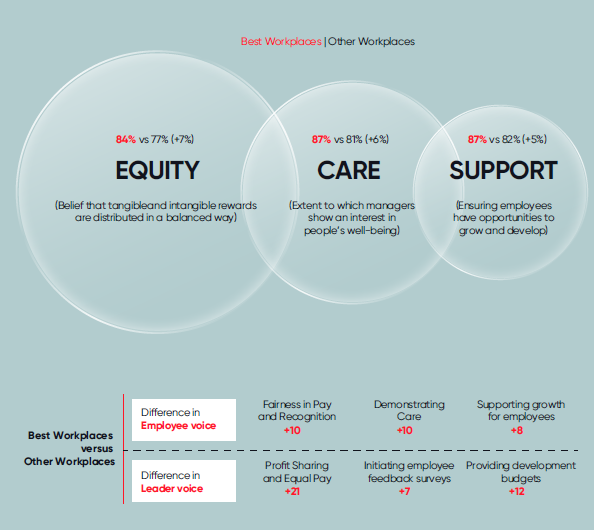
The mantra of Best Workplaces in BFSI is Equity, Care, and Support. These principles will determine future winners in the industry. Key factors include:

Equity

At Best Workplaces, employees respond significantly higher to Fair Profit Sharing (+11%) and Fair Recognition (+8%) compared to other workplaces. By prioritizing equity, Best Workplaces create an environment where employees feel valued and rewarded, fostering a sense of fairness and motivation.

Caring

Workplace culture aspects that demonstrate care, such as encouraging work-life balance and providing exceptional benefits, are critical differentiators for the Best Workplaces in the BFSI industry. Our studies show that these practices have demonstrated significant positive impacts, with an 8% increase in promoting work-life balance and a remarkable 12% increase in offering unique benefits.

Support

Best Workplaces excel in both supporting professional worth and individual effort 8% more employees at Best Workplaces report positively on being offered training or development and developing managers for leadership positions in the organization.

Equity + Caring + Sharing = Inclusivity

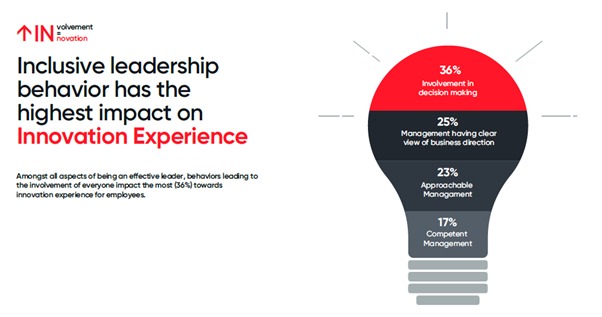
At Best Workplaces, 9% more employees respond positively to management involving everyone in decision-making and believe the workplace is psychologically and emotionally healthy workplace.

As the industry evolves, the significance of implementing best workplace practices becomes even more apparent as the gap between the Best Workplaces and others continues to grow. By embracing the mantra of equity, care, and support, BFSI organizations can cultivate a culture premium, leading to improved employee satisfaction, enhanced customer experiences, and, ultimately, sustained success in the industry.

To learn more about the different ways the BFSI sector is working on its workplace culture, download our research report here.

Labor Day serves as a reminder to reflect on the impact of workplace culture on employees. Workplace culture significantly influences employee satisfaction, motivation, and engagement.
However, various factors can impact workplace culture and employee well-being, and one issue that is often overlooked is workaholism, which can have significant negative consequences.

Creating a healthier workplace culture requires prioritizing work-life balance, promoting breaks and time off, and offering resources that support employee physical and mental health. Therefore, to cultivate a positive workplace culture, it’s essential to encourage a healthy work-life balance and ensure that employees have access to resources that support their well-being.

But before we dive into how employers can help employees with workaholism, let’s get a deeper look into the problem.

What is Workaholism?

Workaholism is the compulsive need to work excessively, which can negatively affect personal life, health, and relationships. It can also have negative consequences for workplace culture, leading to higher stress levels, lower morale, and decreased job satisfaction.

The Effects of Workaholism

Workaholism can severely affect individuals, including burnout, physical and mental health problems, and damaged personal relationships. It can also create a toxic workplace culture, leading to decreased productivity, increased absenteeism, high turnover rates, and low morale.

By recognizing the problem of workaholism and taking proactive steps to address it, organizations can prevent negative consequences and improve the well-being of their employees.

This includes modeling healthy work-life balance and prioritizing a supportive and productive workplace culture.

Difference between a workaholic and an engaged employee

While a workaholic and an engaged employee both display high levels of dedication to their work, there are significant differences between them.

A workaholic has an unhealthy obsession with work and may work long hours, even when not required, to the point where it negatively impacts their health and well-being. They may feel a compulsive need to work and struggle to take time off or disconnect from work, even during their leisure time. Workaholics may also fear failure or feel that their self-worth is tied to their work performance.
On the other hand, an engaged employee is committed to their work and is motivated to do their best. They may work hard, but they also prioritize work-life balance and can disconnect from work during their off-hours. As a result, engaged employees are more likely to feel fulfilled and more loyal to the company.

While workaholics may appear productive in the short term, their lack of work-life balance can lead to burnout, stress, and decreased productivity over time. In contrast, engaged employees are more likely to maintain sustainable productivity and job satisfaction over the long term.


Creating a Healthier Workplace Culture

Here are a few ways that workplaces can help reduce employee burnout and workaholism:

Encourage Work-Life Balance

One of the most effective ways to prevent burnout is to promote work-life balance. Employers can encourage employees to take time off and prioritize their personal lives. Encouraging flexible work hours, offering work-from-home options, and providing paid time off can help employees achieve better work-life balance.

Prioritize Mental Health Support

Employers should prioritize mental health support for their employees. For example, they can provide access to counseling, offer stress management workshops, and promote wellness activities like yoga and meditation.

Set Realistic Workloads

Employers should ensure that their employees’ workloads are manageable and realistic. Overloading employees with work can lead to burnout and workaholism. Regular check-ins and communication with employees help ensure that their workload is manageable.

Encourage Social Connections

Social connections in the workplace can help reduce stress and improve overall mental health. Employers can encourage social relationships by hosting team-building events, providing opportunities for employees to collaborate, and creating a positive work culture.

Provide Professional Development Opportunities

Providing professional development opportunities can help employees feel engaged and motivated. This can include training programs, mentorship opportunities, and career development plans.

Create a Supportive Work Environment

Creating a supportive work environment can go a long way in preventing burnout and workaholism. Employers should prioritize open communication, provide regular feedback, and create a culture that values work-life balance and mental health.

Rewarding hardworking employees

Rewarding hardworking employees effectively encourages them to maintain a healthy work-life balance and prevent burnout. Recognizing and acknowledging the efforts of employees who consistently go above and beyond can make them feel valued and appreciated, boosting their morale and motivation.

When a manager or employer notices an employee becoming a workaholic, they should approach them and express appreciation for their dedication and hard work. At the same time, they should also communicate the importance of taking time off for their physical and mental health. This conversation can help employees understand that overworking may not be the best approach to achieving success and that taking breaks is just as crucial for their overall well-being.

Creating a workplace culture that promotes work-life balance is essential for individuals who struggle with workaholism. While there are several ways in which a company can help employees maintain a balanced lifestyle, the most crucial element is practicing self-care. Understanding the difference between working long hours and being a workaholic is critical, and it all starts with prioritizing self-care.

Developing self-awareness of one’s tendencies towards workaholism is a crucial first step. Monitoring the amount of time spent on work and recognizing when it starts to impact personal life negatively can help individuals take action to prevent burnout. Practicing disengagement, taking regular vacations, and setting healthy boundaries can also contribute to a healthy work-life balance that promotes well-being and prevents the development of workaholism.
By prioritizing self-care and developing healthy habits, individuals can create a balanced lifestyle that benefits their personal and professional lives.

To learn more about how you can make your workplace healthy and productive, Get in touch with our workplace culture experts.

In recent years, there has been a growing concern about well-being in India, and the statistics paint a worrying picture. According to the Global Human Development Index, India ranks 132 out of 191 countries. The Global Wellness Index 2020 is similarly concerning, with India ranking 120 out of 151 countries, further highlighting the need to prioritize well-being in India. Mental health is another concern, with the National Mental Health Survey of India reporting that 1 in 7 people in India are affected by mental health disorders.

In response to these challenges, the Indian government has launched several initiatives, including the National Action Plan, Ayushman Bharat, National Tele-Mental Health Programme, and the OSH Code. While these efforts are a positive step forward, more work needs to be done to improve the well-being of Indian citizens. The responsibility for improving well-being falls on individuals, communities, and governments alike. It is crucial to continue working together towards the shared goal of a healthier and happier India.

Fostering Wellness in the Workplace

The relationship between Workplace Wellness and Workplace Culture is evident, with companies in the top quartile of the Culture and Wellness Index having a 14% advantage over those in the bottom quartile.

Our data scientists analyzed millions of data points across multiple industries and employee demographics to create a robust research-based framework. The team identified six key levers that form the Workplace Wellness Index™ and enable organizations to create physical and psychological safety for employees.

  • Responsible Leadership
  • Supportive Managers
  • Sense of Community
  • Autonomy & Fulfilment
  • Health
  • Enabling Work Environment

These six key levers in the Workplace Wellness Framework play a significant role in creating a culture of holistic well-being. Although the contribution of each lever may differ, they are all essential in fostering a positive work environment that prioritizes employee well-being. This positive work environment, in turn, motivates employees to perform at their best, contributing to the organization’s overall success. By acknowledging and incorporating each of these key levers, organizations can create a supportive and empowering work culture that promotes the holistic well-being of their employees.

The Journey From 2021 to 2022

Since 2021, the Workplace Wellness Index has had a 4 percentage point increase. This improvement results from Indian leaders demonstrating higher ownership in prioritizing employee well-being. In addition, employee feedback on Responsible Leadership has increased by 10 percentage points since 2021, reflecting this change in approach.

These efforts have resulted in the creation of an enabling work environment that supports employee growth and success. However, with the shift towards hybrid working, managers have found it challenging to provide adequate support to their teams across multiple working modes.

Additionally, organizations need help to maintain a sense of community among their employees, further highlighting the need for continued efforts toward creating a supportive and inclusive workplace culture.

Redefining Health Insurance

The health insurance policy in corporate India has undergone a significant change and expanded its coverage to include various aspects that address the employees’ current needs. Maintaining good health proactively requires regular health check-ups, and 58% of the Best workplaces provide this benefit to their employees. Employers consistently encourage employees to avail of this benefit by reminding them about it and promoting its usage.

Flexibility: A Non-Negotiable for Today’s Workforce

In today’s workforce, flexibility has become a non-negotiable expectation from employees, brought on by the pandemic. In response, organizations have had to redesign programs and policies to adapt to the new normal of remote work and hybrid working. Even field-based businesses have found ways to offer flexibility to their employees.

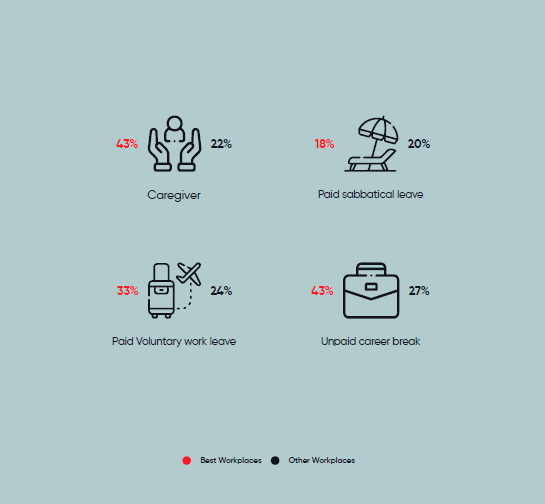
The best workplaces recognize the value of caregivers and provide options for career breaks, paid volunteering opportunities, and formal policies and programs to support their employees. While there is no significant difference between the Best and Other workplaces in providing paid sabbaticals, companies need to acknowledge the importance of allowing their employees to take a wellness break from work and recharge.

Workplace Wellness: A Distinctive Competitive Edge

Companies that prioritize a culture of holistic well-being among their employees have a competitive advantage when creating a culture of innovation. Such organizations also have employees who perceive the leadership to be more effective than those in companies that do not prioritize employee well-being. Specifically, employees in companies in the top quartile are 15% more likely to experience a culture of innovation and 14% more likely to perceive their leadership as influential than those in the bottom quartile. This highlights the importance of prioritizing employee well-being to foster innovation and effective leadership in the workplace.

The Magic of Fostering Wellness

Employee burnout has recently become a significant challenge for India, especially since the pandemic hit. It refers to a condition where employees experience emotional, mental, and physical exhaustion due to long-term stress and high work demands. This can lead to reduced productivity, poor performance, and even physical and mental health issues.

Various factors can contribute to burnout, such as inflexible work arrangements, limited control over work tasks, ineffective communication from management, and lack of clarity regarding job expectations and goals. The impact of burnout on an organization can be significant, and companies need to take measures to address it.

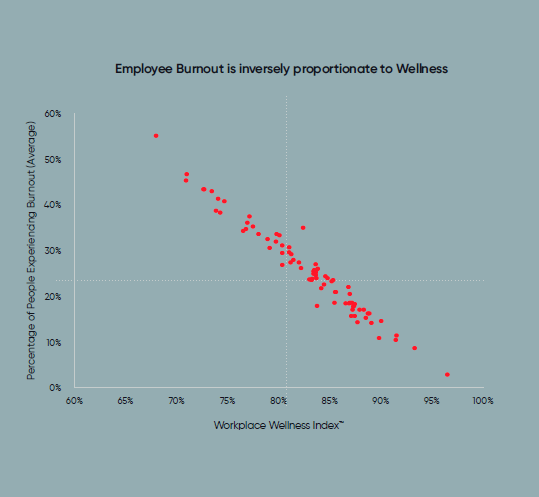
Studies have shown that companies with a high Workplace Wellness Index of around 90% experience a lower employee burnout rate of approximately 15%, while companies with a low Workplace Wellness Index of around 75% have a higher employee burnout rate of around 39%. Therefore, organizations must prioritize employee wellness to reduce burnout and ensure a healthy and productive workforce.

The Road Ahead

Well-being is of utmost importance for individuals, organizations, and the nation. Therefore, corporate India needs to take on the responsibility of Making India a Healthy Place to Work For All and make it an integral part of its business strategy.

Research indicates that providing health insurance, access to doctors, counselors, and regular health check-ups are now basic expectations at any workplace interested in creating a high-performing organization. However, these benefits may not provide a competitive edge as they can be easily replicated.

The real differentiator of the Best Workplaces is the role that leaders play in institutionalizing a culture of holistic well-being and role-modeling the right behaviors. These organizations consider well-being as important as any other business metric and create an enabling work environment that stands out. We urge all leaders across India to participate in this movement of Making India a Healthy Place to Work For All.

Want to know more about how you can support employee well-being at your workplace; enroll in our Certification today!

Intergenerational workplace collaboration promotes flexibility, automation, and digitalization. This trend is happening in established business centers and emerging cities. In addition, as companies grow, they are witnessing four generations of workers under one roof, including baby boomers, Generation X, Millennials, and Gen Z. Hence, many organizations are implementing programs that focus on supporting diverse staff.

Gen Z, born between 1995 and 2010, is the most diverse generation in history. The increasing presence of Gen Z in the workforce has prompted businesses to make changes, but it still needs to be determined how this demographic will shape the future of work.

Emphasis on Work-Life Balance

With Gen Z entering the workforce in large numbers, their unique values and perspectives significantly influence company policies and benefits. One of the most significant ways is through their emphasis on work-life balance.

For Gen Z, work is essential, but so is their personal life. They want to avoid being tethered to their jobs 24/7 and expect a healthy balance between work and personal life. This means they push for more flexible working hours and arrangements, including remote work, flexible schedules, and job-sharing options.

To meet this demand, companies are increasingly offering flexible work arrangements, including flexible schedules and remote work options. Many organizations have also introduced policies around paid time off, parental leave, and other benefits to help employees balance their work and personal lives. For instance, some companies offer unlimited vacation time, allowing employees to take time off when needed without worrying about accumulating unused vacation days.

Prioritizing Mental Health in the Workplace

Indeed, mental health is an area where Gen Z significantly impacts company policies and benefits. Mental health is a growing concern, with increasing rates of anxiety, depression, and burnout affecting people of all ages. However, Gen Z is leading the charge in prioritizing mental health in the workplace.

This generation is more open about discussing their mental health struggles and expects their employers to be supportive.
Companies are beginning to offer mental health benefits such as therapy, counseling, and mental health days off. Some companies have even created employee resource groups (ERGs) focused on mental health, providing a supportive community for employees to share their experiences and find resources.

In addition to offering mental health benefits, companies are also working to create a culture that supports mental wellness. This includes training managers on how to recognize and address mental health issues, creating a stigma-free environment where employees feel comfortable discussing their mental health and promoting healthy habits such as exercise and mindfulness.

Gen Z’s emphasis on mental health is leading to positive changes in company policies and benefits, creating a more supportive and inclusive workplace for all employees. As companies continue to prioritize mental health, other generations will likely benefit from these changes as well.

Diversity, Equity, and Inclusion in the Workplace

Gen Z is a highly diverse generation passionate about inclusivity and equality. They have grown up in a world where diversity is celebrated, and discrimination is not tolerated, which has made them highly aware of the importance of creating an inclusive work environment. As a result, companies are pressured to adapt to the values and expectations of Gen Z regarding diversity and inclusion.

One of the most significant ways that Gen Z impacts diversity and inclusion in the workplace is by expecting their employers to promote it actively. They want to work for companies that not only talk about diversity and inclusion but also have policies and practices that reflect these values. Companies must reassess their hiring practices to ensure they are diverse, equitable, and inclusive. This includes recruiting from a wider pool of candidates, providing that job descriptions and hiring processes are free from bias, and creating employee resource groups for underrepresented communities.

Influence on the gig economy and Remote Work Culture

The rise of the gig economy and remote work is a trend that has been on the rise for a while now, but it is Gen Z driving it forward. This generation values flexibility, independence, and the ability to work on their terms. They are not tied to the traditional 9-5 work schedule and are open to working freelance or contract jobs. This preference for flexibility pushes companies to reassess their policies around remote work and gig workers.

Companies recognize the benefits of offering remote work options to attract and retain top talent. It allows employees to work from anywhere in the world, eliminates commuting time and costs, and can increase productivity. Moreover, Gen Z values the ability to work independently and take on freelance or contract jobs to supplement their income, so companies need to adapt their policies to account for this new type of workforce.

Gen Z’s impact on company policies and benefits is significant and far-reaching. This generation is driving changes in the workplace that will have lasting effects on how companies operate. To attract and retain top talent from this generation, companies will need to be flexible, inclusive, and supportive of their employees’ work-life balance and mental health.

Learn more about how to establish a good work environment and become the employer of choice from our workplace culture specialists.