
Employee well-being is a critical aspect of any successful organization. It refers to an employee’s physical, emotional, and mental health and ability to function effectively. When employees feel good and are healthy, they are more productive and engaged in their work, which benefits both the employee and the organization.

Employee productivity is a crucial factor in any organization’s success, but it can be impacted by various factors, just like any other aspect. Unfortunately, the current recession and job insecurity in the economic climate have made it particularly challenging.

In light of these challenges, examining how they affect employees and exploring potential solutions organizations can adopt to alleviate these issues is essential.

Impact of the recession on employees

Job Security

The current uncertainty can make employees feel more anxious or stressed about their job security, financial stability, etc. This can lead to declining mental health as employees worry about layoffs or budget cuts. In addition, the uncertainty of an economic downturn can also cause employees to feel less confident about their future, which can further aggravate anxiety and stress.

Employee well-being can no longer be seen as a passing fad; it requires consistent attention and improvement. Despite a significant increase in the Workplace Wellness Index in the previous year, 2023 has seen a 2-point decline in perceptions. Organizations must collectively drive well-being efforts to create a healthy workplace for all.
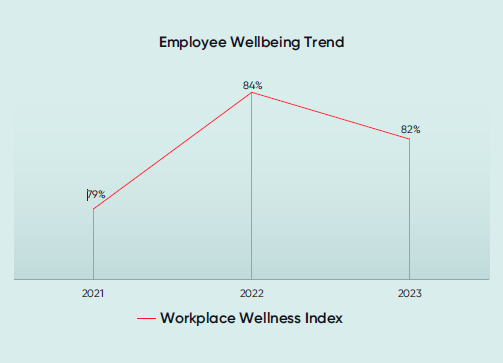
Employee well-being trend from 2021 to 2023

Effect on work-life balance

Another way a recession can impact employee well-being is its effect on work-life balance. For example, employees may be less likely to take time off work, even when feeling unwell, due to fears about job security. This can lead to employees becoming burnt out and overwhelmed as they work long hours without taking breaks or vacations. In addition, employees may be required to take on additional responsibilities at work due to budget cuts or downsizing, leading to even more stress and pressure.

Reduced Job Satisfaction

Reduced job satisfaction during a recession stems from several critical factors. As companies downsize to cut costs, remaining employees often face increased workloads, leading to burnout and fatigue. The added responsibilities without corresponding support or resources amplify stress levels, making it difficult for employees to maintain high performance and job satisfaction. 

Additionally, career advancement opportunities become scarce as organizations tighten budgets and freeze promotions or new roles, which can demotivate employees seeking growth and development in their careers. Companies may also reduce benefits and perks as part of cost-saving measures. The loss of these incentives, such as health benefits, bonuses, and wellness programs, directly impacts employees’ sense of value and satisfaction with their job, further eroding their overall well-being and commitment to the organization. 
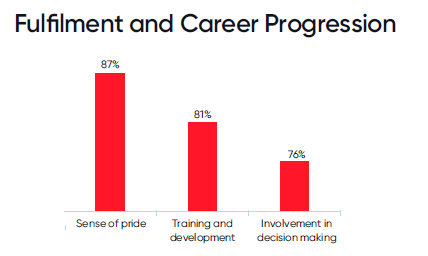
When employees feel proud of their workplace, this has a positive impact on their self- esteem and contributions to the organization’s growth.

Employee Engagement

During a recession, employee engagement often suffers due to widespread uncertainty and dissatisfaction. Concerns over job security and financial stability can preoccupy employees’ minds, leading to lower engagement levels. This pervasive sense of uncertainty can diminish motivation, as employees might feel their efforts could be more valued or that their future with the company could be more secure. Consequently, productivity can decline, as disengaged employees are less likely to go above and beyond in their roles.

Moreover, maintaining a positive workplace culture becomes increasingly challenging. Economic hardships can force companies to make difficult decisions, such as reducing benefits, freezing promotions, or even laying off staff. These actions can create a negative atmosphere, eroding trust and morale. Leaders must work harder to communicate transparently foster a supportive environment to mitigate these effects, and strive to keep the workforce engaged and motivated.

Financial Strain

Financial strain during a recession significantly impacts employees and their work performance. Personal financial difficulties, such as reduced income, increased debt, or the loss of a partner’s job, can create significant stress and anxiety. These pressures can distract employees, making it hard for them to concentrate on their work and maintain productivity levels. 

Stress-related health issues, like anxiety, depression, or physical ailments, often increase absenteeism as employees take time off to manage their well-being or personal financial matters. This absenteeism can disrupt workflow and burden other team members, further affecting overall productivity and morale.

Additionally, the search for financial stability can drive higher turnover rates. Employees may leave their current positions for opportunities perceived as more secure or better paying, seeking to mitigate their financial stress. This turnover can lead to loss of institutional knowledge, increased recruitment costs, and further strain on remaining employees, perpetuating a cycle of stress and decreased organizational performance.

How companies can provide organizational support and convenience

The current economic climate has created a challenging environment for many employees. As companies face these challenging times, they need to recognize their impact on their employees and take proactive steps to support their well-being.

Take proactive steps to understand how your employees are doing.

The first step is for companies to understand how their employees are feeling. Conducting a well-being survey can help organizations assess the level of stress and anxiety their employees are experiencing and identify the areas where they need to focus their attention.

Additionally, companies should ensure that their employees know the types of employee assistance programs available. These programs can provide employees with access to 4ounselling services, financial advice, and mental health support, which can be especially helpful during times of stress and uncertainty.
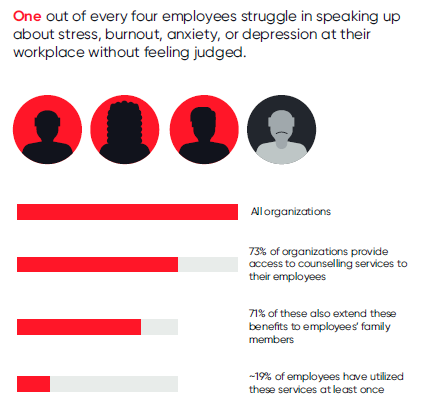
Retaining employee benefits that help them cope with change will have a positive impact on employees

Prioritizing management of talent

Companies should prioritize the management of their current talent. Many organizations focus heavily on hiring the needed talent but fail to manage and support their existing employees adequately. By offering training and development opportunities, companies can help their employees grow and develop their skills, increasing job satisfaction and reducing the likelihood of them leaving the company.

Lay more focus on transparent communication

Communication is also critical during times of economic uncertainty. Companies should communicate consistently and transparently with their employees to keep them informed about the company’s financial situation, the impact of the recession, and any measures it takes to support its employees. Regular updates and addressing employees’ concerns can help reduce anxiety and increase job satisfaction.

Fostering a positive workplace

Furthermore, companies can create a positive work environment that supports employee well-being by implementing flexible work arrangements. For example, allowing employees to work from home or providing flexible hours can help employees balance work and personal responsibilities, reducing stress and improving well-being.

Employee well-being is critical to any successful organization and can be severely impacted by recession or other economic challenges. However, by taking proactive steps to support employee well-being, including regular check-ins, transparent communication, and promoting work-life balance, organizations can help employees weather these challenges and emerge more robust and resilient.
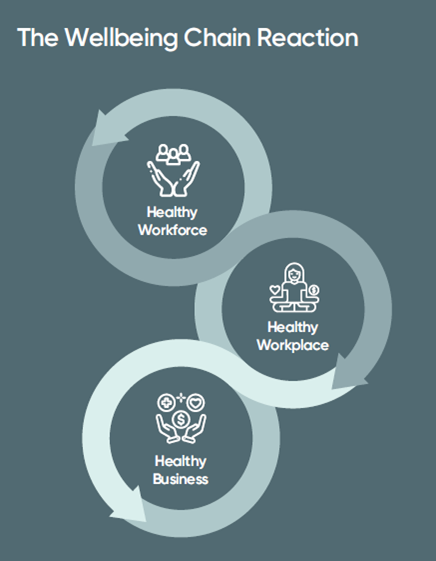
Fostering a positive workplace

Visit us Here to learn more about how you can align your strategies with your employee’s well-being.

India’s manufacturing industry is experiencing significant growth, with promising opportunities for manufacturers in India and South-East Asia, even as the global supply chain is disrupted due to war and the pandemic. This growth is driven by robust demand at the domestic level, increasing investments, policy support from the government, and higher reliance on the sector globally.

However, there is still much work to be done in the manufacturing industry to ensure a fair and effective workplace. While the industry has shown an increase in employee engagement over the last five years, it still stands at 81%, ranking among the lowest. As a result, organizations need to support their business with a robust people strategy to maximize the opportunities the market offers in the coming times.

Manufacturing Industry Today

According to the latest data, Best Workplaces outperform the industry on crucial differentiators by an average of 11%. Great People Managers, Pride, Credibility, and Camaraderie, are among the aspects converging to similar importance levels, with sustained engagement levels despite an industry drop of 2%. The gap between Best Workplaces and the industry has increased equivalent to pre-pandemic levels, and hence it’s even more essential now for workplaces to teach practices of Best Workplaces.

As India transforms into an on-shore manufacturing hub, organizations must focus on creating a fair and effective workplace culture. Fairness and respect at the workplace have observed the highest growth over the last five years, with an increase of 8% and 6%, respectively. Focusing on these aspects and creating a culture of fairness and respect is essential for making your workplace effective. By investing in their people and prioritizing fairness and respect, manufacturers can maximize the market’s opportunities and succeed in the coming times. Organizations that can achieve this will be better equipped to navigate the challenges of a rapidly changing market and succeed in the long run.

The manufacturing industry has consistently reported low levels of employee engagement across all aspects, with a 3% lower perception than other industries. The current state of the industry in 2023 shows that the difference between manufacturing and other sectors ranges from 1% to 5%, with the highest distinction in employee perception of impartiality (5%) and the least in the corporate image (1%) and personal job (1%).

Even the highest-scoring workplace culture aspects, including corporate image, justice, team, private employment, and competence in the manufacturing and production (M&P) industry, are 2% below average compared to other sectors.

Areas of Improvement

Despite this, employees in the manufacturing industry report the highest positive experience on pride, justice towards personal aspects, and management competence in running a business. However, areas of improvement for the sector remain fairness at the workplace and leadership behaviors that enable the involvement of everyone in decision-making, candid communication, and delivery of promises.

Although the above remains true, blue-collar and white-collar workers have unique needs; Best Workplaces acknowledge and actualize them. As a result, employees at the Best Workplaces in both groups report higher experiences (+8% and +7%, respectively) than others.

The three facets of fairness that require prioritization include impartiality, justice, and equity. Detachment by managers, fair treatment regardless of an individual’s age, gender, race/caste, and sexual orientation, and equity in treatment, compensation, and opportunities for recognition.

Way Forward

To move forward in 2023, the manufacturing industry must prioritize fairness as it is the lowest-scoring and most significant differentiator. Best workplaces outperform the industry by 6% and others by 9% on fairness. Experiencing fairness at the workplace results in the increased motivation of 22% and 16% higher intent to stay. Among all aspects, most fair organizations differentiate utmost on impartiality by 28%.

The manufacturing and production industry should commit to fairness. Three action items to create an impartial workplace include:

Despite the testing times and mid of the company’s transition, PGP Glass ensured all possible ways to retain employees by implementing practices that enable a fair work environment, such as being an equal opportunity employer, having zero tolerance for any form of discrimination and harassment, and having a whistle-blower policy. The company also focuses on competence and connection as they define an effective leader.

At best workplaces, 10% more employees respond positively to management that shows competence in running the business and builds authentic connections at the workplace. In addition, organizations that focus on fairness and effective leaders observe a significant rise (+8%) in the overall workplace sentiment of employees.

The manufacturing industry must build a fair, transparent workplace to retain and motivate employees. This includes having fair/bias-free practices and ensuring that managerial behavior is aligned with employee needs. Along with competence in providing business results, leaders must focus on building authentic connections and demonstrating care for people consistently.

To know more about the manufacturing industry’s workplace culture, download our detailed report Here.

India’s retail industry is experiencing significant growth, with a Compound Annual Growth Rate (CAGR) of 10-11%. Various factors fuel this growth, including the rising purchasing power of the middle class, the increase in e-commerce, and advancements in supply chain management.

Over the past decade, India’s purchasing power has grown from 15.55 in 2011 to 23.13 in 2021, as measured by the purchasing power parity index. One of the significant contributors to this growth is the e-commerce market, which is predicted to reach $200 billion by 2026.

The surge in digital technology adoption and the widespread availability of affordable smartphones and high-speed internet has accelerated the growth of the e-commerce market. Furthermore, the COVID-19 pandemic has expedited the shift towards digital and contactless shopping as consumers seek safer, more convenient purchasing methods. In addition to the rise of e-commerce, newer retail business models are emerging in India, including online, offline, and hybrid models, focusing on experiential stores that offer unique and engaging shopping experiences.

From Great to For All

Retailers now differentiate themselves by creating memorable in-store experiences that appeal to customers’ senses and emotions. With continued growth and innovation across the industry, the retail revolution in India shows no signs of slowing down. As retailers continue to adapt to changing consumer preferences and behaviors, the future of retail in India looks bright and exciting.

Navigating the Current State of the Workplace

Employee experience is crucial to the success of any organization. It encompasses more than just providing benefits and perks. It includes creating a supportive work culture, providing leadership, offering career development opportunities, and fostering a sense of purpose. Retail is one industry that has stood out in recent years for its efforts to improve the employee experience.

While the retail sector has significantly improved employee experience, the best workplaces surpass industry standards. These companies report up to 6-10 percentage points higher positive experiences on key aspects than the overall industry.
This indicates that the practices followed by the best workplaces make a significant difference in employees’ overall experience.

The factors determining the best workplaces from others include trust in leadership, a sense of belonging, opportunities for growth, communication, and work-life balance.
Leaders in the retail industry must align their intent with employee experience and create a culture that fosters innovation and leadership development.

Navigating the Current State of the Workplace

In addition, leaders can create an environment where employees feel valued and motivated to give their best. A positive employee experience is essential for employee engagement, motivation, and retention. The continued focus on creating a positive workplace culture will help the retail industry attract and retain top talent and maintain a positive workplace experience for all employees. With these efforts, the retail sector is well-positioned to continue its growth and success in the years ahead.

Exploring the Future of the Retail Industry

The workplace challenge of the current state is necessity-driven execution, which means that organizations are primarily focused on addressing the immediate needs and challenges they face. However, the future focus should be on planned practices, meaning that organizations must take a strategic approach to manage their long-term goals and challenges.

This requires organizations to invest

  • Time
  • Resources
  • Effort

in planning and implementing practices to help them achieve their long-term goals.

Planned practices include:

  • Building a diverse and inclusive workplace culture.
  • Investing in employee development and training.
  • Creating a flexible work environment.
  • Fostering innovation and creativity.
  • Developing a strong leadership pipeline.

These practices are beneficial in the long run and help attract and retain top talent, enhance employee engagement, and create a positive brand image.

To drive innovation across the organization, leaders must foster a culture encouraging creativity, collaboration, and experimentation. This involves creating an environment where employees feel comfortable sharing their ideas and suggestions and management takes them seriously.

In addition, leaders can encourage innovation by providing opportunities for employees to contribute to decision-making processes and actively seeking their input.

Exploring the Future of the Retail Industry

In conclusion, the retail industry has made great strides in improving employee experience, and retail companies are among the best workplaces across all sectors. The industry continues to focus on improving workplace culture, emphasizing impartiality, equity, and collaboration. With these continued efforts, the retail industry is well-positioned to attract and retain top talent and maintain a positive workplace experience for all employees.

Innovation is no longer a luxury but a necessity for workplaces to remain competitive, drive growth, and stay relevant in today’s dynamic and rapidly changing business landscape. It’s worth noting that India’s efforts to foster innovation in the workplace have not gone unnoticed. As per the Global Innovation Index, India has made significant progress, moving from the 81st position in 2018 to the 40th in 2022. It’s a testament that Indian workplaces focus on fostering innovation to drive growth, competitiveness, and sustainability.

Workplace Innovation Composite

There are five essential dimensions that drive workplace culture:

  • Fairness
  • Camaraderie
  • Innovation by all
  • Credibility
  • Respect and pride

Each of these dimensions has a different impact on the innovation score.

According to recent research, respect, and pride have a more significant impact on innovation scores than other workplace culture dimensions. For example, respect alone accounted for 30% of the innovation score, and pride accounted for 20%, whereas fairness only had a 16% impact, and camaraderie and credibility had a 17% impact each. These findings highlight the importance of valuing respect and pride in the workplace culture as critical drivers of innovation. By prioritizing these dimensions, companies can create an environment that fosters innovation and drives growth.

It’s interesting to note that respect and pride led to an 11-12% higher innovation score, indicating that companies that prioritize these two dimensions may be more likely to foster an innovative workplace culture. This research suggests that creating a workplace culture that values respect and pride can be a crucial driver of innovation. Therefore, companies looking to improve their innovation scores should focus on improving these dimensions in their workplace culture.

The Dual Elements and Outcomes of Innovation

Innovation can be broken down into two essential elements:

  • Individual inspiration
  • Organizational connect

Individual inspiration involves management genuinely seeking ideas and suggestions from employees, while organizational connect involves management involving people in decision-making processes. When these elements are present in a workplace culture, it creates opportunities for innovation and fosters a culture that celebrates it.

The outcomes of innovation can also be divided into two categories.

  • Celebrating innovation involves recognizing individuals who pioneer new and improved ways of doing things. This recognition helps build a culture of innovation by reinforcing the importance of creative thinking and risk-taking.
  • Experiencing innovation opportunities involves employees actively engaging in meaningful innovation opportunities.

These elements and outcomes of innovation create a workplace culture that fosters creativity, experimentation, and growth. In addition, by promoting personal inspiration and organizational connections, companies can create an environment where everyone is empowered to contribute to the innovation process.

Innovation an Edge for Best Workplaces

The data suggests that innovation can be a crucial differentiator for Best Workplaces. Employees at these organizations have demonstrated an 18% higher rate of innovation than employees at other workplaces.
In addition to higher rates of innovation, employees at Best Workplaces also reported feeling a stronger connection to their organization. They demonstrated a 9% higher level of organizational connect, suggesting that these workplaces prioritize involving people in decision-making processes and creating a sense of community and belonging among employees.
Finally, employees at Best Workplaces reported feeling 8% more inspired on an individual level. This suggests that these organizations prioritize individual inspiration, seeking out and valuing ideas and suggestions from employees at all levels of the organization.
By fostering a culture of inspiration, Best Workplaces creates an environment where employees are encouraged to think creatively and take risks. These findings highlight the importance of innovation in creating a workplace culture that values personal inspiration and organizational connection.

Fostering a Culture of Innovation by All

The data highlights the importance of innovation in the workplace and its positive impact on employees’ experiences, retention, and business outcomes. To leverage the benefits of innovation, companies must ensure that all employees have equal opportunities to innovate and that their innovation practices align with employees’ experiences. In addition, by celebrating people who try new and better ways of doing things, regardless of the outcome, companies can foster a positive work environment where ideas are valued, and employees feel engaged. As a result, employees are more likely to consider the organization a great workplace, feel more confident about career opportunities, and work for longer.

Furthermore, innovation in the workplace positively impacts workplace agility, customer service, and employees’ sense of pride in the organization, leading to increased productivity, better business outcomes, and a competitive advantage in the marketplace. Finally, celebrating innovation in the workplace improves employee morale and productivity, leading to a competitive edge in the market and overall success for the organization.

The benefits of innovation in the workplace can be significant for people, businesses, and the world. Innovation opportunities have the potential to boost employee confidence in their executive teams’ judgment and improve the overall employee experience, ultimately benefiting people. Celebrating innovation can increase productivity, better business outcomes, and a competitive advantage in the marketplace, helping businesses. Additionally, promoting innovation can improve employee morale and engagement, which can positively impact the world by fostering a positive work environment where ideas are valued, and employees feel supported.

The LGBTQIA+ community in India has made significant progress with several laws established to protect their rights and provide equal opportunities. However, the workplace remains challenging for the queer community despite these protections. Organizations have implemented policies to prevent discrimination, but more effort is needed to promote inclusivity and visibility and address implicit biases.

It is crucial to raise awareness continuously and promote sensitivity through ongoing education and interaction with queer employees to address this bias. To do this, we at Great Place To Work® India have a few actionable strategies that might take you closer to supporting your LGBTQIA+ employees.

A Policy That Supports Your Employees

Employers must go beyond having anti-discrimination policies and create a workplace that truly supports diversity, equity, and inclusion. A workplace should be safe and welcoming for employees from all backgrounds, including the LGBTQIA+ community. It can be achieved through a well-implemented DEIB policy that is upheld throughout all levels of the organization. However, more than just having a policy is needed. It is essential to ensure its effective implementation for true inclusion to occur.

Employee Resource Groups For LGBTQIA+ Employees

Employee Resource Groups (ERGs) foster a welcoming and inclusive workplace. ERGs provide a safe space for members to discuss and address problems openly. Their main goal is to support members of a particular community, listen to their concerns, and bring those issues to management for resolution.

Having functioning ERGs is crucial for organizations to monitor the effectiveness of their policies and ensure inclusivity. ERGs also help community members and can drive the success of a business. With an active ERG, a company can claim to be indeed inclusive.

Mandate Gender Awareness Training For Leaders

The responsibility of creating a positive and inclusive work environment falls largely on the shoulders of managers and HR personnel. These individuals are crucial in ensuring that all employees are treated fairly and respectfully in the workplace. However, managers may sometimes need proper training and resources to have the skills and knowledge required to support and advocate for their LGBTQIA+ employees.

Display Pronouns In Email Signatures and Screen Names

Queer employees should feel at ease at their workplace, including being able to share their pronouns openly. To help, companies can encourage employees to include their pronouns in their email signatures and video call screen names. This helps ease the pressure on trans employees to reveal their pronouns and makes it easier for them to be themselves in a professional setting.

Leadership’s support, including having managers and executives also include their pronouns, boosts trust among trans employees and promotes inclusivity and respect.

Addressing misgendering and other inequities is necessary for creating a welcoming environment. Having a culture of accountability, where employees feel comfortable correcting misgendering or transphobic remarks, is crucial. Simply putting across the pronouns a person uses, such as they/ them, can help create a safe and inclusive workplace.

Gender Free Documentation Process

The onboarding process sets the tone for an employee’s experience within a company, so starting it off inclusive is essential. One way to do this is by using a gender-neutral data form that offers options beyond males and females. Let the employee choose how they prefer to express their gender, and when filling out forms, ask for their partner’s name instead of using the term “spouse.” It is inclusive for the LGBTQIA+ community and cisgender and heterosexual employees.

Recognition of LGBTQIA+ Employees

Acknowledge the achievements of LGBTQIA+ workers in the company to show them they are valued. By making their success stories prominent, you can reduce turnover and increase retention. It will also boost the morale of LGBTQIA+ employees and motivate them to perform even better. Remember, they are the representatives of your organization: honor and cherish them.

Embody the Value You Have Set

To embody the values of care, inclusion, and equality in your organization, it’s essential to implement them. In addition, if your organization is committed to promoting these values, you must take a stand and show your employees and the wider community what you believe. It means going beyond simply having value statements and taking concrete steps to demonstrate these values.

Silence in the face of essential issues sends a message in itself. However, by speaking up and taking action, your organization can show employees that it is committed to supporting the communities they live in. It can foster a sense of pride among employees and increase their loyalty and commitment to the company.

Moreover, employees will remember how their company acted during challenging times, which can have a lasting impact on the organization’s reputation and relationship with its employees. By demonstrating your commitment to care, inclusion, and equality, you can create a truly inclusive workplace that supports all employees, regardless of their background or identity.

The goal is to create a safe and inclusive work environment for LGBTQIA+ individuals to communicate openly and thrive in their careers. Although changing a widespread mindset is challenging, initiatives like this can contribute to breaking down barriers and promoting normalization around discussions of gender identity in the workplace. Over time, this could reduce discrimination and bias against the queer community in India.

Talk to our experts today to start your Inclusion journey! Here.