The workforce is undeniably the most valuable asset of any organization. While “An organization’s greatest asset is its people” may sound like a common saying, its importance cannot be overstated. Organizations must maintain agility to stay competitive in the face of inevitable change and the rapid evolution of trends such as remote work, digital technology, and artificial intelligence. 

Keeping pace with these changes requires a commitment to employee training across all levels of the organization. This investment in employee development is essential for competitiveness and a crucial driver for overall growth and business success. The connection between professional development and fostering a robust organizational culture is evident and influences various interconnected aspects, providing a distinct competitive edge. In this blog, we will explore four key areas where an investment in professional development has positively impacted the employee experience.

Employee Retention and Satisfaction

Content employees stay with the organization, while dissatisfied ones are more likely to leave. A crucial strategy for retaining talent involves offering career development opportunities. 92% of the people working in organizations with good professional development endorse their workplace and say that it’s a good workplace.

An organization that fosters a supportive environment for a broad range of career development opportunities enables employees to keep their career paths open and encourages them to explore internal options for their next career step rather than seeking external opportunities.

Employees seek meaningful skill application for personal and professional satisfaction, enhancing retention. Maintain strong connections, identify preferred training areas collaboratively, and establish clear career paths for growth within the organization.

Productivity and Talent

When bringing in new employees, it’s crucial that they possess the essential skills required for the job. Similarly, the skills of existing staff need to be sharp and current. Regularly investing in professional development is the most effective way to ensure that your talent can deliver the necessary outcomes and prevent stagnation. 

Employee productivity declines when individuals become bored, leading to diminished interest in the organization, its objectives, and their team. Consistent training is a key strategy to maintain high levels of knowledge, and employees equipped with the necessary tools, skills, and training are more likely to be productive than those without.

Cultivating a culture of continuous learning and development fosters an environment where individuals are motivated to learn from one another, leading to exponential growth within teams. When employees participate in training programs, it is beneficial to encourage them to share what they learn with their team. Facilitating open discussions within the team, allowing questions, and exploring how newly acquired skills can be applied to day-to-day objectives are essential aspects of this approach. Additionally, identifying skill gaps, determining which team members would benefit from similar training, and identifying specific training needs contribute to a comprehensive strategy for skill development.

Innovation and Creativity

Investing in the development of your workforce not only contributes to their happiness and satisfaction but also signifies a commitment to continual learning and growth within an innovative culture. Employees at best workplaces in innovation show a 9% more connection to their organization and 8% more inspiration on an individual level. This forward-looking approach, unafraid of exploring new avenues, is crucial for individual and organizational advancement. Training stimulates individuals’ minds, fostering critical thinking, self-reflection for improvement, and exposure to novel methods and technologies that might otherwise go unnoticed. These elements collectively foster innovative and creative thinking, sparking new ideas.
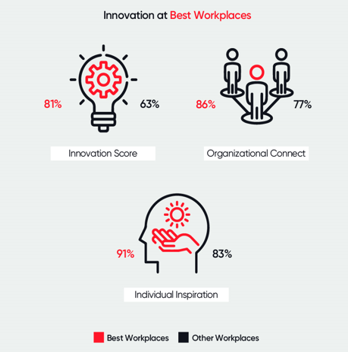
Innovation at Best Workplaces

Incorporating innovative learning methods can also cultivate openness to change among individuals. For instance, utilizing new technologies such as virtual and augmented reality in training or employing simulations for skill acquisition in a risk-free environment can make the learning process safe and allow individuals to experiment with risk-taking. These experiences can then be applied to real work, introducing new concepts and solutions and showcasing the positive outcomes firsthand, ultimately encouraging creativity, agility, and the development of innovative thinking skills applicable to day-to-day tasks.
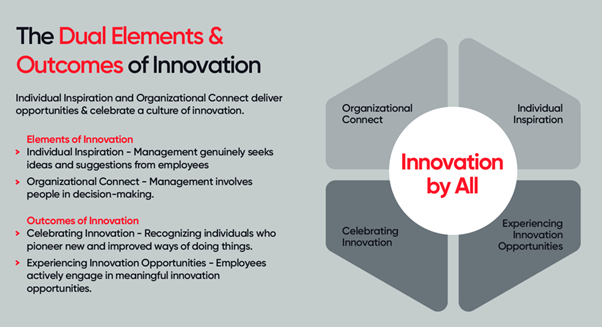
The Dual Elements and Outcomes of Innovation

To support this, it’s essential to cultivate an internal culture that champions innovation and acknowledges that only some new ideas will succeed on the initial attempt. Including innovation-focused training in the overall development program, making the innovation process safe and accessible by welcoming new ideas and regular feedback, and recognizing and appreciating innovative and creative thinking should all be integral components of organizational efforts.

Engagement and Empowerment

A compelling vision shared by an organization can inspire individuals, attracting those who align with its passion and purpose. Continuous training and development play a pivotal role in sustaining motivation and inspiration among individuals, propelling them toward shared success. When a company invests in the growth of its employees, a reciprocal attachment and engagement to the shared vision and purpose emerge, creating a mutually beneficial scenario.

Empowering individuals with new skills and fostering a learning and growth-oriented environment enables them to take charge of their achievements and careers. This investment communicates trust and worthiness, instigating a robust commitment to hard work and inspiring team members to do the same. A team of skilled individuals enthusiastic about learning and growth becomes a formidable force with limitless potential.

The positive cycle of growth and development generates a sense of pride that forms the foundation for organizational success. Leading by example from the top and promoting a lifelong dedication to learning establishes a solid groundwork for individuals to flourish, fostering loyalty and commitment. Such dedicated teams work hard and exhibit long-term loyalty to the organization. The best workplaces leverage this energy to cultivate thriving employees and enhance their company cultures.

To learn more about this visit us here.
In the ever-evolving landscape of the modern workplace, the well-being of employees has emerged as a pivotal factor influencing organizational success. Recognizing the profound impact of a positive work environment on individual morale, productivity, and overall job satisfaction, forward-thinking leaders are increasingly focusing on holistic strategies that go beyond traditional approaches. 

This blog comprehensively explores innovative initiatives designed to prioritize and enhance employee well-being. Amidst the challenges posed by remote work and the ever-present demands of a fast-paced professional landscape, we explore the importance of informal interactions, carving out time for fun, and personalized one-on-one check-ins. When thoughtfully implemented, these strategies create a resilient and supportive workplace culture. 

Encourage acts of kindness. 

Fostering a culture of kindness within the workplace is a simple yet powerful strategy to enhance the overall well-being of employees. Kindness has been shown to improve mental health and create a positive and supportive atmosphere within the organizational setting.  

Encouraging employees to engage in acts of kindness, whether big or small, contributes to building strong social bonds and promoting a sense of connection among team members. Organizations can positively impact their workforce’s mental and emotional health by cultivating a workplace environment that values and encourages kindness.

Harness your Employee Resource Groups 

Harnessing the potential of Employee Resource Groups (ERGs) can significantly contribute to creating a diverse, inclusive, and supportive workplace environment. ERGs, being employee-led committees aligned with organizational goals, naturally bring people together based on shared interests. These groups foster a sense of belonging and play a crucial role in building strong social bonds among members. 

By leveraging the power of ERGs, organizations can tap into the collective strength of their workforce, promoting collaboration across teams and providing valuable networking opportunities. According to the Great Place To Work’s Best Workplaces in IT report, 76% of employees utilize remote working options, which calls for increased focus on initiatives to improve camaraderie. Initiatives led by ERGs contribute to a more inclusive workplace culture, allowing employees to connect, share experiences, and support each other. Ultimately, activating Employee Resource Groups can positively impact employee well-being by fostering a sense of community and connection within the organization.

Instigate informal interactions 

Flexible work has many benefits for workers, but social connection is a challenge. Some pre-pandemic research found that full-time remote employment increased loneliness by 67% compared to in-office work. Initiating informal interactions within the workplace is a strategic move to enhance team dynamics and bolster employee well-being. In a traditional office setting, casual conversations that naturally occur—whether by desks or in communal spaces—foster a sense of camaraderie among team members. However, in remote work scenarios, these spontaneous interactions may be lost. 

Leaders can proactively instigate informal interactions to counteract this, providing dedicated time for non-work-related discussions. Leaders create an environment where team members can share, connect, and alleviate stress by setting an example and incorporating moments for personal connections in meetings. Recognizing that productivity isn’t solely determined by ploughing through agendas, these intentional, informal interactions contribute to a more supportive and connected work culture, positively impacting employee well-being.

Create space at the top of meetings

Reserving a space at the beginning of meetings for personal, non-work-related conversations is a thoughtful strategy that can significantly contribute to fostering employee well-being. In a virtual work environment, where the incidental chats of a physical office are absent, deliberately setting aside time for casual discussions becomes crucial.

Leaders who prioritize this practice not only demonstrate a commitment to their team’s holistic well-being but also create an opportunity for team members to be heard. This intentional approach allows individuals to share personal updates, alleviating stress and fostering a sense of connection. By acknowledging that effective meetings extend beyond agenda items, organizations can build a more supportive and socially connected work culture, positively impacting employee morale and engagement.

Make time for fun

Carving out dedicated time for fun activities within the workday is a simple yet impactful way to contribute to employee well-being. In the fast-paced and often stressful workplace environment, injecting joy and fun can have significant positive effects.

Whether through virtual coffee breaks, optional meetings with no set agenda, or creative team-building exercises, making time for fun creates opportunities for team members to relax, connect, and enjoy each other’s company. This intentional focus on enjoyment contributes to a positive work culture, helps alleviate stress, and fosters a sense of camaraderie among colleagues. Recognizing the importance of work-life balance, these fun moments contribute to a more holistic and supportive workplace environment.

Check-in on a 1:1 level

Conducting one-on-one check-ins is a personalized and impactful approach to support employee well-being. Without face-to-face interactions, these individual meetings provide a dedicated space for employees to express their thoughts, concerns, and personal challenges.

Leaders who prioritize regular one-on-one check-ins demonstrate genuine care for their team members and gain valuable insights into individual needs. This approach allows employees to feel seen and heard, fostering a sense of connection and support. By acknowledging and addressing personal and professional challenges one-on-one, organizations can enhance overall employee well-being and contribute to a workplace culture that values individual experiences and growth.

Prioritizing individualized support for employee well-being is not only a strategic approach but also a compassionate one. The importance of personal connections cannot be overstated, as employees who receive tailored assistance feel recognized and enable leaders to respond more effectively to their distinct needs. Whether it’s connecting employees with a supportive “buddy” during challenging times or leaders engaging in virtual “drive-by” for personal check-ins, these initiatives underscore the significance of fostering genuine connections within the workplace. Organizations can create a more resilient, supportive, and ultimately thriving work environment by recognizing and addressing each team member’s unique preferences and challenges. Visit us here for more information.

The IT and BPM industries are titans of innovation, pushing the boundaries of technology and efficiency. But their true strength lies not in algorithms but in their people. This blog delves into the meticulously crafted best practices of organizations recognized as one of India’s Best Workplaces™ in IT & IT-BPM 2023. 

First American (India) ‘s Blueprint for a People-First Culture.

First American (India) (FAI) entered the spotlight in 2017, earning a place among India’s Best Workplace in IT & IT-BPM, marking the beginning of a remarkable journey. As a result of their unwavering commitment to consistently building and sustaining a great workplace, they bagged this recognition for the 5th time in 2023.

FAI’s impressive, ongoing trajectory reflects their consistent efforts as they continuously strive to foster and maintain a positive employee experience. Throughout their journey, FAI has broadened their list of accolades as they focus on creating a supportive and a welcoming environment for all individuals, while also being dedicated to the holistic well-being of people.

FAI’s dedication to fostering an exceptional workplace culture reaches new heights, as they rank as one of India’s Best Companies To Work For in 2023. Their journey towards creating an exemplary workplace continues to inspire.

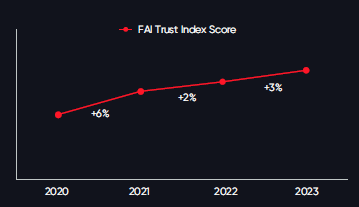
First American India's Trust Index Score

FAI’s Formula For Employee Well-being

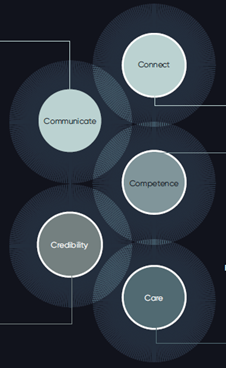
  • FAI believes that consistent communication is the core of building trust with employees. The Framework enables meaningful dialogues across the organization with the objective to listen with an open mind, assess the pulse and find resolutions with full transparency.
  • FAI recognizes that a credible organization is the backbone of a healthy employer-employee relationship. They endeavour to understand employee requirements and ensure to follow through with their commitments.
  • FAI’s employee Connects, play a foundational role in their 5 C’s framework, fostering a culture of empathy and mutual support. Different connect initiatives help build personalized engagement and connect with each employee.
  • FAI invests in Leadership competence, as well as individual development to ensure that teams are engaged with work and learning which improves productivity.
  • FAI supports its employees both at work and home to attain holistic well-being in turn optimizing their performance at the workplace.
First American India's for Employee Well-being

FAI makes a notable impact by showcasing a 6% higher positive score on overriding wellness sentiment, standing out amidst the overall dip observed in Health and wellness sentiment across Indian workplaces in 2022.

FAI: Crafting Success Through People Practices

Building a fraternity at the workplace where each individual yields better results by

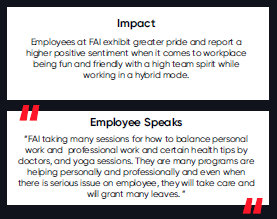
bringing their authentic selves to work involves making employees feel respected and welcomed. FAI demonstrates that it genuinely cares for its employees through various initiatives. ‘Swasthya’ program offers holistic support—emotional, physical, financial. The Wellness Corner app conducts health assessments, provides online consultations; the Tranquil app aids in mindfulness and coping with stress. FAI also supports a hybrid mode of working to ensure flexibility at work.

Impact and Employee Speaks

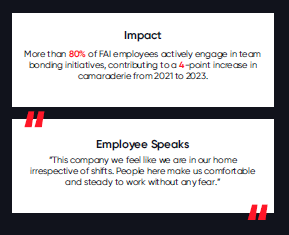
Credible Leadership is the cornerstone of building a High-Trust Culture. FAI’s transparent and consistent communication fuels healthy employee-employer relationships at work.

Focus Group Discussion: Assesses well-being and critical issues, encourages feedback via anonymous surveys and ends with transparent action plans.

They implemented the ‘SMILE’ framework (Socialize, Motivate, Inspire, Lead, and Empower) to consistently build personalized engagement with each individual in the Business unit, hear their perspectives, and collaborate in their growth journey. Tenured Sta Connects has engaged employees for over two years tenure, with a focus on understanding aspirations, gather suggestions and create awareness about T&D, encouraging utilization of growth opportunities.

Impact and Employee Speaks

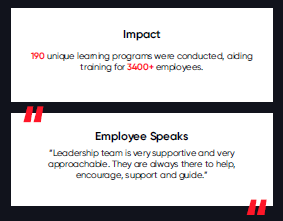
FAI’s competent Leadership is seen in action as they see ripple effects across the organization. They invest in individual development through various learning interventions.

Elevate Program @NPS: Nurtures talent with positive management, fostering Leadership by instilling confident decision-making and developing clear vision. Customized Learning Journeys: Tailored roadmaps for aspirational roles, enhancing skills, attitudes, and overall performance.

Impact and Employee Speaks

Pride in Unity: Aristocrat’s Inclusive Path to Workplace Camaraderie

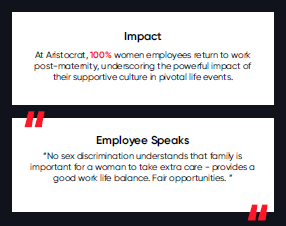
Aristocrat’s consistent recognition as India’s Best Workplace in IT & IT-BPM is a testament to the company’s commitment to fostering Trust between Leadership and employees. The company extends its efforts to embrace a comprehensive approach to employee health and well-being, reflecting its dedication to prioritizing care for its workforce.

The company actively fosters an environment where employees from various backgrounds feel valued, contributing to a rich, diverse, inclusive workplace culture. Aristocrat’s workplace culture, marked by vibrant Camaraderie, mirrors its dedication to an engaging and supportive environment. This not only earns external recognition but also fosters internal pride among employees.

Aristocrat’s Trust Matrix for A Thriving Work Culture

  • Aristocrats’ unwavering commitment to people’s safety and well-being, supporting physical, mental, financial, and emotional wellness through dedicated Leadership is the secret sauce behind a thriving workplace.
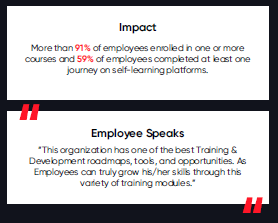
  • Aristocrat’s Learning and development initiatives empower employees to take charge of their careers at Aristocrat. Their a holistic approach to learning links business imperatives to employees’ growth aspirations.
  • Aristocrat cultivates Camaraderie through collaborative initiatives, encouraging team spirit and a sense of belonging.
  • Aristocrat’s inclusive culture ensures that individual differences are celebrated, and everyone gets equal opportunities to succeed.

Employees at Aristocrat report 7% higher positive sentiment in dimension of Camaraderie as compared to the IT & IT-BPM Industry.

Aristocrat: Crafting Success Through People Practices

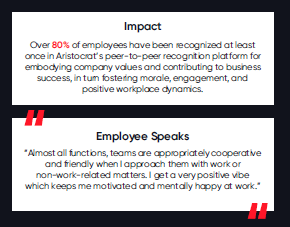
When employees feel cared for, it enhances their morale through positive workplace dynamics.

Aristocrats believe in supporting their employees, especially in times of crisis, strengthening resilience and well-being.

Power Life – A complete well-being program offered through an internal portal supports employees in critical areas of mental and physical well-being.

Restore Resilience: A 12-week stress management program covers critical issues like sleep, nutrition, and exercise.

R U OK Day: Encourages checking in with friends, family members, and work colleagues.

September: Cerebral Palsy Alliance-led fundraising initiative engages employees.

Flexible and Remote Working Support Policy.

Impact and Employee Speaks

Promoting Camaraderie at the workplace is ingrained in Aristocrat’s value of collective brilliance as they believe in cultivating team spirit and an environment of mutual support at the workplace.

ShapeShifters Team: Drives engagement with innovative online/online programs for bonding, leadership connections, CSR, honoring support staff.

Power Plays Platform: Encourages celebrating colleagues’ values-driven achievements equipped with redeemable awards and e-cards. Friday box-office sessions: Led by subject specialists, promoting discussions, self-growth, empathy, and team camaraderie through films on sensitive topics.

Impact and Employee Speaks

At Aristocrat, People & Culture Business Partners collaborate with business leaders to

facilitate individual learning & development, unlocking employee’s potential for growth.

Women’s Leadership Program: Empowers female leaders through self-awareness, tackling self-limiting beliefs, and cultivating key skills.

Aristocrat Leadership Academy: Provides diverse holistic leadership training programs. Tully Platform: Dynamically supports individual growth, skill progression, and career planning, fostering company-wide engagement.

Impact and Employee Speaks

Charting the Future of IT Workplaces

In the challenging landscape of the IT industry, prioritizing workplace culture has become paramount for sustaining employee engagement. The industry has witnessed a decline in perception, underscoring the importance of addressing issues like diminishing workplace camaraderie. Organizations must proactively invest in employee well-being initiatives to rejuvenate workplace dynamics. Furthermore, fostering better Camaraderie and leadership excellence emerges as a strategic imperative. Leaders are crucial in steering organizations through these trying times, striving for excellence, and

inspiring teams. This holistic approach not only enhances employees’ well-being but also the team spirit, and upskilling but also yields substantial business returns. Improved retention rates, heightened productivity, and increased innovation opportunities are direct outcomes of a robust focus on these critical aspects. In navigating the current challenges, organizations that prioritize these elements stand to create resiliently and thriving workplaces, positioning themselves for sustained success in the dynamic IT landscape. Visit us here to learn more.

The latest IT report by Great Place To Work India unravels workforce dynamics trends. Delving into challenges such as diminished camaraderie and organizational pride, we analyze factors contributing to the industry’s employee experience decline. Additionally, we address burnout levels, remote work trends, and future-focused strategies. Join us in understanding the nuanced challenges and envisioning a resilient and innovative path forward for the IT workforce.

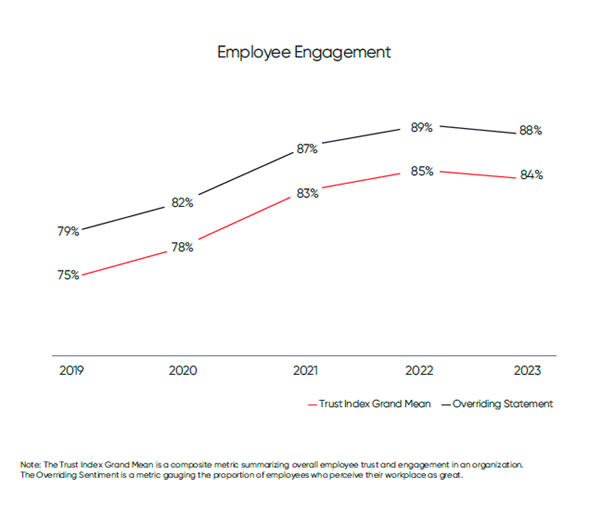
In the dynamic landscape of the Information Technology (IT) industry, the pulse of employee perception reveals a nuanced narrative in 2023. A noticeable shift is observed, marked by a 1% drop in the Trust Index Grand Mean and Overriding Sentiment. This modest decline challenges the industry’s upward trajectory, prompting a closer examination of the factors influencing the workplace experience for IT professionals.

Interestingly, within the intricate tapestry of this trend, there exists a notable divergence between large and mid-size organizations. While large organizations showcase a commendable effort, managing to improve the employee experience by 1%, their mid-sized counterparts demonstrate consistent performance, maintaining a steady 85%. These intriguing dynamic positions mid-size organizations ahead, surpassing their larger counterparts in providing a stable and satisfactory work environment. This shift underscores the importance of organizational size in influencing employee experience and suggests potential advantages in agility and adaptability for mid-size entities.

Despite the overall decline in sentiments, the IT industry retains its stronghold, boasting the second-highest Trust Index Grand Mean across various sectors at 84%. This resilience is a testament to the IT sector’s enduring appeal and economic significance. 

Trust Index Grand Mean and Overiding Statement

Perception Decline Led by Females, GenZ, and ITES Vertical

  • In 2023, the workplace landscape witnesses nuanced shifts impacting employee perceptions. Females experience a 1% decline due to concerns about micro-management and workplace politics, while male counterparts maintain stability. 
  • Generation Z encounters a 1% dip, grappling with work-life balance and fair promotions, while Generation X sees an improvement. Millennials remain steady at 84%.
  • ITES faces a notable 2% decline within industry verticals linked to reduced confidence in non-discrimination practices. Conversely, IT Consulting witnesses a 1% rise in trust levels, and Software experiences a 1% decline. IT Services and other verticals maintain a robust 85% trust level.

These trends highlight the dynamic interplay of gender, generation, and industry-specific challenges, emphasizing the need for tailored strategies to foster a workplace environment that addresses diverse concerns and sustains positive perceptions amid the evolving nature of work.

Perception Decline Driven by Drop in Team Spirits and Organizational Pride

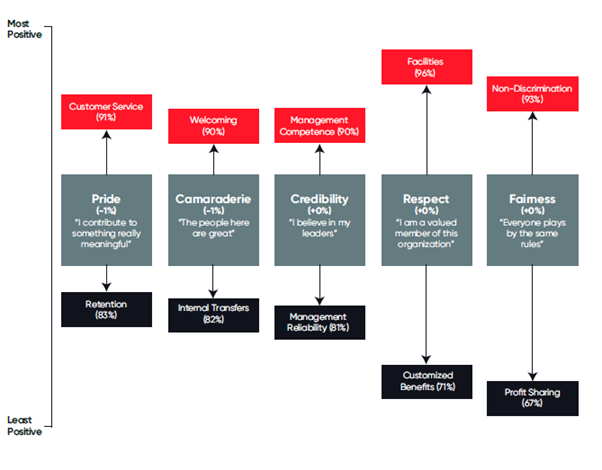
The IT industry grapples with a decline in employee experience, notably driven by a 1% reduction in Camaraderie and Pride, indicative of diminished team spirits and organizational pride. Respect and Fairness exhibit the most significant variation, with a 25-26% gap between the most and least positively perceived sentiments. 

This decline points to the crucial role of interpersonal dynamics and organizational culture in shaping the overall workplace experience. Aspects such as diminished camaraderie and pride contribute to a less positive work environment, emphasizing the need for targeted interventions to restore a sense of unity, mutual respect, and fairness within the IT industry. Focusing on these dimensions becomes paramount in addressing the nuanced challenges impacting employee well-being and satisfaction.

Most Positive and Least Positive aspects

The IT Engagement Equation: Why It’s Changing

Global Economic Slowdown

The global economy has been slowing down in recent years, and this has had an impact on the Indian IT industry. Many IT companies have had to lay off employees or reduce salaries to stay afloat. This has led to a decline in employee morale and satisfaction.

Rise of Automation

Automation is becoming increasingly common in the IT industry and this is leading to job losses. Many employees are worried that machines and this will replace them is causing them to feel anxious and insecure.

Competition from Other Countries

The Indian IT industry faces increasing competition from other countries, such as China and the Philippines. These countries offer lower wages and more flexible working conditions, making them more attractive to employers. This is putting pressure on Indian IT companies to reduce costs and offer better benefits to their employees.

Changing IT Demands

The IT industry is constantly evolving, and employees need to be able to adapt to new technologies and trends. This can be stressful and challenging, and it can lead to burnout.

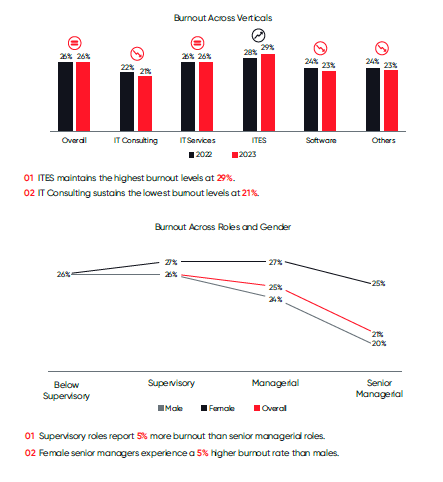
Overall Burnout Levels are Stable at 26% from 2022, Exhibiting 8% Variability Across Verticals

Burnout Across Verticals

Way Forward: 3 Future Focus Areas for the IT Industry

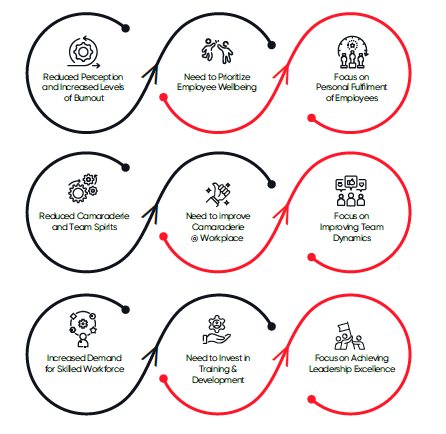
In light of the challenging year for the IT industry, there is a heightened focus on employee well-being, camaraderie, and upskilling. In response to the IT industry’s current challenges and employee engagement concerns, organizations must prioritize Workplace Ikigai as a comprehensive solution. Workplace Ikigai, a measure of employee happiness and engagement, offers a strategic path to address workplace issues, ultimately improving Productivity, Retention, and Innovation.

3 Future Focus Areas for the IT Industry

As the IT industry navigates the complexities of a changing global landscape, these trends underscore the importance of holistic approaches. Prioritizing employee well-being, investing in continuous learning, and cultivating strong leadership are identified not only as strategic imperatives for organizational success but also as essential elements in creating a resilient, innovative, and adaptive workforce capable of meeting future challenges. Visit us here to know more.

In recent years, individuals and businesses have faced a challenging journey characterized by significant global events, socio-political turbulence, and the pervasive impact of the pandemic. While emotions like anger, fear, and grief have always been part of the workplace, there is now a heightened sense of vulnerability, anxiety, and exhaustion among individuals.

Mindfulness, a readily accessible tool for mental health, offers the ability to attentively observe thoughts, emotions, and physical sensations, bringing clarity amid uncertainty. Its positive impact extends to employee well-being, assisting both leaders and staff in achieving a more profound sense of presence and emotional control. Its role in fostering emotional intelligence and empathy among leaders is particularly noteworthy, contributing to team cohesion and a profound sense of belonging.

As architects of workplace culture, leaders carry the responsibility of creating an environment conducive to psychological safety, teamwork, and collaboration. However, the constant flow of information in our 24/7 digital world presents challenges, leading to overwhelm and distraction even among the most dedicated employees. The resulting emotional toll manifests in reduced mental sharpness, increased absenteeism, strained relationships, and diminished productivity. 

The practice of mindfulness emerges as a timely and essential solution. It acts as a counterbalance to the relentless pressures of the digital world, providing a remedy for emotional challenges and serving as a valuable antidote to the complexities faced by individuals in the contemporary workplace.

Embracing Mindfulness at Work: A Key to Success and Well-being

Mindfulness is not merely a passing trend; it represents a valuable practice applicable across generations, gaining particular resonance among digital natives. This practice empowers individuals to self-regulate and be consciously present, cultivating an awareness of both external surroundings and internal states by filtering out distractions.

Within the realm of mindfulness, the ability to reflect facilitates clearer thinking and a departure from reactive responses ingrained in learned behaviour patterns. In our digitally saturated world, the enduring practice of mindfulness becomes increasingly relevant, acting as a countermeasure to the constant influx of information.

Mindfulness serves as a cornerstone for enhancing leadership skills, providing practitioners with heightened clarity and emotional control. Leaders immersed in mindfulness exhibit improved self-awareness, thoughtful communication, trust-building with management, cultivation of interpersonal relationships, and an overall enhancement of employee well-being—resulting in reduced sick days and heightened team engagement.

Mindfulness is a vital preparation tool for organizations undergoing digital or agile transformations. Its practice equips individuals and teams to be fully present, fostering mental agility, creative problem-solving, and resilience—essential attributes in today’s rapidly evolving landscape. These attributes stimulate innovation and fortify an organization’s competitive edge.

The impact of mindfulness on employees is tangible, evident in increased energy, resilience, and productivity. Individuals embracing mindfulness display greater receptivity to novel ideas and learning, contributing to a positive shift in overall workplace dynamics. Furthermore, mindfulness acts as a catalyst for strengthening interpersonal bonds, fostering openness to diverse perspectives, and nurturing qualities such as compassion and empathy—attributes synonymous with successful and cohesive teams. The overarching theme is unmistakable: mindfulness emerges as a transformative force, benefiting individual well-being and fostering a thriving and innovative organizational culture.

Here are four approaches to incorporating mindfulness into your work routine:

Breathe Mindfully

Immerse yourself in deep breathing exercises to lower blood pressure, reduce the stress hormone Cortisol, and uplift your mood. Actively focus on your breath to minimize external distractions, fostering a calm mind and heightened ability to refocus. Embrace the “box breathing” technique as a practical method to seamlessly integrate mindfulness and deep breathing into your daily routine—proving particularly effective in combating work-related burnout.

Engage in Active Listening

Cultivate mindful listening by fully immersing yourself in others’ communication without pre-emptively formulating responses. Rather than anticipating your reply, strive to understand the speaker’s message genuinely. By silencing internal mental chatter, you create an atmosphere of receptivity, facilitating a better understanding and processing of your colleagues’ communication.

Prioritize Short Breaks

Carve out time for brief breaks to smooth transitions between tasks or to rejuvenate your mind after prolonged periods of focus. Leverage smartphone reminders to prompt these short pauses—just five minutes can suffice to reset both your mental and physical state. Consider incorporating mindfulness practices, such as box breathing, during these breaks. Whether you’re moving around your environment or immersing yourself in sensory experiences outside, free from distractions, these moments contribute to a refreshed mindset.

Ditch Multitasking

Challenge the multitasking myth and acknowledge that optimal cognitive functioning thrives when focusing on one task at a time. Disable push notifications and alerts on your devices to minimize distractions. Whether participating in a meeting or tackling a specific task, commit to being fully present in the moment. This intentional approach enhances your capacity for deep concentration, fostering a more mindful and less stressful work environment.

In the intricate landscape of today’s workplace, mindfulness emerges not as a luxury but as a business necessity. Consistent mindfulness practice contributes to a work environment that is healthier and less stressful, empowering you to achieve deep focus and encouraging thoughtful consideration of your actions and reactions in real time. Visit us here to learn more. 

In the ever-evolving landscape of today’s business world, companies are continually facing economic uncertainties and challenges. The dynamic nature of the market, coupled with external factors such as global crises and technological disruptions, underscores the critical importance of having a resilient workforce. Resilient employees serve as the backbone of an organization during tough economic times, enabling it to weather the storm and emerge stronger on the other side.

The Power of Resilient Employees

In the face of economic turbulence, the ability of employees to navigate uncertainties and adapt to change is paramount. Resilient employees possess key characteristics that make them indispensable assets to their organizations.

Adaptability

Resilient employees exhibit a remarkable capacity to adapt to new situations and challenges. They view change not as a threat but as an opportunity for growth. Whether it’s the implementation of new technologies, shifts in market dynamics, or changes in company strategy, resilient employees remain agile and adjust their approach accordingly.

Problem-Solving Skills

The resilience of employees is often reflected in their adept problem-solving skills. Instead of being daunted by obstacles, they approach challenges with a solution-oriented mindset. Thinking creatively and finding innovative solutions contribute significantly to an organization’s ability to overcome hurdles and seize opportunities amidst adversity.

High Performance Under Pressure

Resilient employees do not succumb to stress but thrive under pressure. Their commitment to maintaining high performance levels during challenging times sets the tone for the entire organization. They meet deadlines and continue to deliver results, inspiring their colleagues to do the same.

Building Resilience in Employees

In order to cultivate a resilient workforce, organizations must take a proactive approach to building resilience in their employees. This involves a multi-faceted strategy that addresses various aspects of professional and personal development.

Leadership and Communication

Effective leadership is at the forefront of fostering resilience in employees. During uncertain times, transparent communication becomes a cornerstone for building trust and confidence. Leaders need to share company goals, challenges, and strategies openly. Leaders inspire a sense of purpose and unity among employees by providing a clear vision and direction. This open communication helps employees understand their role in the broader context of the company’s journey through challenging economic periods.

Training and Development

Ongoing training and development programs equip employees with the skills necessary to navigate changing circumstances. Investing in professional growth enhances individual capabilities and contributes to a collective sense of empowerment. Successful training initiatives include adaptability, problem-solving, and technology adoption workshops. 

Mental Health and Wellbeing

Employees’ mental health and well-being play a pivotal role in building resilience. Companies should prioritize creating a supportive work environment that promotes a healthy work-life balance. Access to mental health resources, such as counselling services and stress management programs, is crucial. Reducing the stigma around seeking support encourages employees to prioritize their mental health. Initiatives like flexible work schedules, mindfulness programs, and employee assistance programs contribute to fostering a resilient workforce. 

Cultivating a Resilient Culture

Organizational culture plays a pivotal role in shaping employee resilience. A positive work environment, characterized by trust, collaboration, and a focus on employee wellbeing, contributes significantly to building resilience.

A company’s commitment to employee wellbeing fosters a sense of belonging and support. Engaged employees are more likely to demonstrate resilience during tough times. Recognizing and rewarding employees for their efforts boosts morale and reinforces a sense of purpose. Creating opportunities for employee input fosters a culture of inclusion and innovation.

Building resilient employees is a dynamic and ongoing process that demands a strategic and holistic approach. From the crucial role of leadership in transparent communication to the significance of training and development, mental health initiatives, and a positive organizational culture, each facet contributes to the overall resilience of the workforce. As businesses grapple with economic uncertainties, the long-term benefits of fostering a resilient workforce extend far beyond navigating tough times. Visit us here to learn more. 

Diversity in the workplace is not just a buzzword; it’s a dynamic force that propels organizations toward innovation and resilience. India’s Best Workplaces™ in Diversity, Equity, Inclusion & Belonging are leading the way in embracing and celebrating the rich tapestry of talents, ideas, and experiences that a diverse workforce brings to the table. In this blog, we’ll explore the current diversity landscape in Indian organizations, their strides, challenges, and actionable strategies for fostering inclusivity.

Embracing Diversity 

Historically excluded groups (HEGs) constitute 28% of the workforce, with the majority being women, while other HEGs have a representation of only 3%. Diversity is the pulsating core of innovation and resilience in contemporary organizations. It serves as a wellspring of talents, ideas, and experiences that fuel creativity and adaptability.

What’s Working

Diverse Workforce

Modern organizations are actively reshaping their workforce demographics, consciously embracing diversity. This shift goes beyond numbers, reflecting a commitment to inclusivity across genders, cultures, and abilities. A diverse workforce isn’t just a moral imperative; it’s a strategic advantage, fostering innovation and adaptability crucial for success in today’s global landscape.

Heightened Awareness

There’s a noticeable shift in organizational mindset—diversity is no longer an isolated initiative but a pervasive value. From leadership to every employee, there’s a growing acknowledgment of diversity’s importance. This awareness fuels open conversations about diversity’s tangible benefits, fostering an environment where differences are accepted and celebrated. It’s a cultural transformation recognizing that inclusivity isn’t just ethically correct; it’s a key driver of organizational strength and resilience.

Areas for Improvement

Representation in Leadership

While strides have been made in building a diverse workforce, the challenge persists in extending this diversity to leadership roles. Underrepresenting certain groups in key positions can hinder the full realization of diverse perspectives benefits. This lack of diversity at the top can impede innovation and adaptability, as leadership drives organizational culture and decision-making.

Cultural Barriers

Despite increased awareness, organizations still grapple with cultural barriers rooted in unconscious bias and microaggressions. These subtle, often unintentional, biases can create an environment where certain individuals or groups feel excluded. Overcoming these barriers is crucial for cultivating a genuinely inclusive culture where everyone feels valued and can contribute their best. Addressing these issues head-on is necessary to foster an environment where diversity isn’t just a checkbox but a lived experience.

Sustainability

Creating a diverse and inclusive workplace is not a one-time effort; it requires a sustained, long-term commitment. However, maintaining this commitment over time can be challenging. The initial enthusiasm may wane, and organizations may need help in consistently implementing diversity initiatives. Ensuring the longevity of these efforts requires strategic planning, ongoing education, and a continuous evaluation of progress. Sustainability in diversity efforts is not just about starting strong but about enduring dedication to fostering an inclusive environment over the long haul.

In addressing these challenges, organizations can further strengthen their commitment to diversity, equity, and inclusion, creating workplaces that reflect the workforce’s diversity and empower every individual to contribute meaningfully and reach their full potential.

How Can Leaders Tackle Unconscious Biases?

Focus on developing the leadership team by:

  • Implementing specialized leadership development programs
  • Providing mentorship and skill development
  • Focusing on underrepresented individuals

Focus on succession planning to:

  • Integrate diversity and inclusion.
  • Identify high-potential talent early.
  • Create a clear path for leadership roles.

Define accountability measures:

  • Hold senior leaders accountable.
  • Connect compensation to fostering diverse and inclusive teams.

How can leaders effectively navigate cultural challenges?

Conduct diversity training to:

  • Sensitize employees on inclusive behaviour.
  • Build awareness of implicit, and unconscious biases.
  • Focus on mitigating biases.

Implementing bias reduction strategies for hiring, such as:

  • Structured, standardized, and consistent evaluation process.
  • Defined criteria for evaluation focusing on relevant skills, behavior and culture fitment.

Establish feedback mechanisms ensuring:

  • Multiple inclusive feedback channels accessible to all.
  • Cultural appropriate and empathetic training to handle feedback.
  • A continuous feedback loop, closing it by sharing updates and seeking more input.

What steps can organizations take for sustained success?

Ensure Fair Resource Allocation

To turn our plans into reality for diversity and inclusion, it’s crucial to talk about why these efforts matter in the long run and how we plan to achieve our goals. Regularly checking how well our initiatives are working using data and metrics is an integral part of this.

Getting everyone involved is key, which means encouraging employees to participate in diversity and inclusion activities. It also supports and promotes participation in Employee Resource Groups (ERGs) and asks employees for their thoughts and ideas. By including everyone and ensuring everyone feels responsible, we can make real progress in creating a diverse and inclusive workplace.

In embracing diversity, confronting challenges, and committing to sustained efforts, organizations can forge a path toward an inclusive tomorrow—where every individual, regardless of background, finds a place to work and a community where they belong and thrive. Together, we pave the way for workplaces that embody the strength of diversity, setting the standard for a future where inclusivity is not just an ideal but a lived reality. Visit us here to learn more.

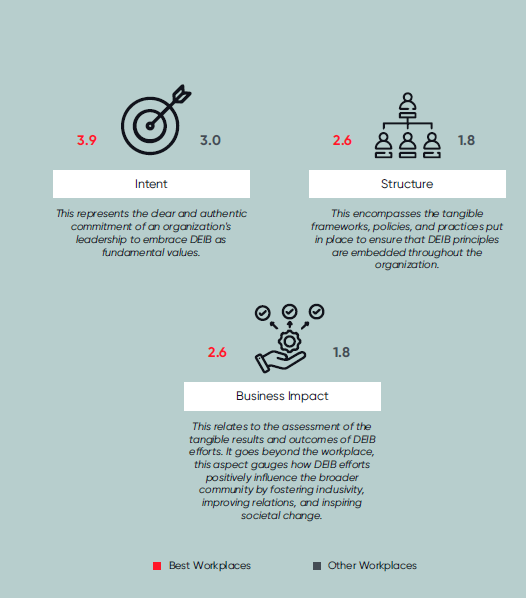
In the dynamic landscape of modern workplaces, the widely recognized value of diversity and equity takes on true transformation when infused with the vital essence of inclusion. Inclusive workplaces, characterized by unwavering intent, resilient structures, and the substantial business success resulting from inclusive people policies, pave the way for a holistic approach to diversity, equity, inclusion, and belongingness (DEIB).

Simultaneously, fostering a sense of Belonging has emerged as a central focus for organizations committed to DEI. Belonging, the culmination of efforts to ensure every individual feels valued and accepted as an equal member of the workplace community, represents a pivotal element in creating the best workplaces. This blog delves into the strengths, challenges, and actionable strategies organizations can employ to enhance the feeling of inclusion & employee belonging.

Unpacking Inclusion

Best Workplaces Vs Other Workplaces

What’s Great?

Affirmative Hiring Practices

Forward-thinking organizations are actively seeking diversity through inclusive hiring practices. This involves targeted outreach, diverse job postings, and inclusive language in job descriptions, creating a talent pool that mirrors the richness of society.

Onboarding & Integration

Inclusive onboarding processes go beyond the basics. They are designed to seamlessly welcome and integrate employees from diverse communities, setting the stage for a sense of belonging from day one.

What can be Better?

Performance and Recognition

Ensuring fairness in performance evaluations and recognition is a perpetual challenge. The goal is to provide equal opportunities for employees from diverse backgrounds to excel and receive acknowledgment for their contributions.

Tailored Policies and Benefits

Balancing customization and equity in policies and benefits is crucial. Organizations need to strike a delicate balance, providing flexibility within predefined limits to meet the diverse needs of their workforce.

ERGs Engagement

The complexity of ensuring active engagement and meaningful contributions from Employee Resource Groups (ERGs) is an ongoing process. Harnessing the full potential of ERGs requires strategic leadership and consistent efforts.

Actionable Insights for Leaders

How do leaders ensure fairness in evaluations and recognition?

1. Establish Clear Performance Metrics

  • Define transparent and objective evaluation criteria.
  • Consistently communicate performance metrics to employees.
  • Encourage employee participation in the development of performance metrics.
  • Create a process for appeals, allowing employees to challenge their performance evaluations.

2. Implement 360-Degree Evaluations

  • Include multiple feedback sources: peers, subordinates, and supervisors.
  • Use anonymous surveys to encourage honest feedback.
  • Ensure confidentiality to foster open input.
  • Incorporate feedback into recognition and development programs.

How can organizations balance customized policies with fairness?

1. Develop a Customizable Framework

  • Provide employees with a menu of options within predefined equity limits.
  • Ensure transparency by explaining equity boundaries to all employees.
  • Gather feedback periodically to refine policy options.

2. Conduct Regular Policy Reviews

  • Involve employees and ERGs in the review process.
  • Align policies with evolving diversity and equity goals.
  • Ensure transparency by sharing updates and revisions with all employees.

How do leaders enhance ERGs’ engagement?

1. Encourage Leadership Engagement

  • Recognize and highlight ERGs’ impact on diversity and inclusion.
  • Participate in ERG-driven events.
  • Provide leadership development opportunities to ERG members.

2. Ensure Cross-ERG Collaboration:

  • Promote joint projects and initiatives.
  • Facilitate resource-sharing among ERGs.
  • Create platforms for ERG leaders to connect.

3. Ensure Impact Measurement:

  • Regularly assess ERG progress.
  • Share ERGs’ contributions with the organization.
  • Recognize ERGs’ diversity and inclusion achievements.

Inclusion is not just a buzzword; it’s the transformative force that turns diversity and equity into meaningful workplace experiences. By addressing the identified areas for improvement and implementing the suggested actionable insights, leaders can pave the way for workplaces where every individual feels valued, fairly treated, and included in core decision-making.

Fostering a sense of Belonging

Best Workplaces Vs Other Workplaces

What’s Great?

Inclusion of the Term ‘Belonging’

Leaders are recognizing the importance of “belonging” as a core element of DEIB efforts. This shift in mindset has prompted the development of targeted strategies to enhance the sense of Belonging, acknowledging its pivotal role in fostering a healthy workplace culture.

Amplified Psychological Safety

Psychological safety, the feeling of being able to express oneself without fear of negative consequences, is gaining recognition as a critical component in fostering Belonging. Organizations are increasingly prioritizing environments where employees feel secure in being their authentic selves.

What Can Be Better?

Exclusionary Behaviors

Despite progress, exclusionary behaviors persist in some workplaces, impacting the sense of Belonging. Addressing these behaviors, whether intentional or not, is crucial for creating an inclusive environment.

Remote Work Challenges

While remote work offers flexibility, it introduces challenges related to belonging. Finding ways to connect and include remote staff in the workplace culture is essential for maintaining a cohesive and inclusive organizational culture.

Workplace Favoritism

Perceptions of workplace favoritism can erode trust and contribute to feelings of exclusion. Implementing strategies to reduce such perceptions is vital for promoting a sense of fairness and equality.

How do leaders enhance ERGs’ engagement?

1. Establish Inclusive Culture

  • Promote a culture that actively discourages exclusion.
  • Clearly communicate zero-tolerance for exclusionary behaviors.
  • Encourage bystander intervention to address exclusion.

2. Promote Inclusive Design Thinking

  • Integrate inclusive design into products, workspaces, and events.
  • Form cross-functional, diverse teams for inclusive decision-making.
  • Collect input and feedback on design initiatives through dedicated platforms.

3. Identify Belonging Ambassadors

  • Serve as approachable points of contact for peers, providing support and guidance.
  • Organize regular networking events or informal gatherings to facilitate connections and inclusion.

How can organizations connect and include remote staff in the workplace culture?

1. Design Virtual Team-Building Initiatives:

  • Ensure inclusive participation and gather feedback for improvements.
  • Adapt activities based on remote employees’ preferences and needs.

2. Design Flexible Work Policies

  • Promote outcome-based performance measurement rather than strict hours.
  • Maintain clear communication channels and guidelines.
  • Provide tools and resources for remote collaboration and productivity.

3. Provide Technology Support

  • Offer comprehensive training and support for remote user-friendly tools and platforms.
  • Establish a responsive helpdesk for technical assistance.

What strategies can leaders employ to reduce perceptions of favoritism?

1. Implement Employee-Driven Recognition:

  • Allow employees to nominate their peers for recognition.
  • Develop a user-friendly nomination process accessible to all.
  • Design clear guidelines for nominating peers.

2. Ensure Equal Opportunity Promotion:

  • Establish merit-based promotion systems.
  • Emphasize fair and transparent evaluations.
  • Promote clear promotion processes and criteria.

3. Encourage Collaboration on Projects:

  • Form cross-departmental project teams.
  • Promote open communication and collaboration to leverage collective expertise.
  • Share skills, knowledge, and best practices among team members, fostering their growth.

Fostering a sense of Belonging is not just a goal but a commitment to creating workplaces where every individual feels valued, included, and connected. By addressing exclusionary behaviors, navigating the challenges of remote work, and tackling perceptions of favoritism, organizations can pave the way for a workplace culture that thrives on diversity, equity, and a deep sense of Belonging. This journey toward inclusivity is not only beneficial for employees but also contributes to the overall success and sustainability of the organization. Visit us here to learn more.

In the ever-evolving landscape of the modern workplace, fostering an environment that champions equity is not just a goal but a strategic imperative. Organizations that prioritize a ‘For All’ experience witness a remarkable 14% increase in employee perceptions regarding professional and leadership development and employee involvement in decision-making. Equity acts as the transformative catalyst, turning diverse talents into high-performance teams by ensuring fairness and impartiality. 

In this blog, we explore the commendable strides organizations have made, identify areas for improvement, and provide leaders with a comprehensive blueprint to tackle unconscious biases, enhance decision-making processes, and offer customized support to a diverse workforce.

Best Workplaces Vs Other Workplaces

What’s Great?

Equal Opportunities

Organizations are actively working to provide all employees equal access to growth opportunities and resources. This commitment ensures that each individual has the chance to excel, contributing to a more inclusive and high-performing workplace.

Feedback Channels

Implementing feedback mechanisms that allow employees to voice concerns about favoritism or identify instances of it is a positive step. Open communication channels empower employees and contribute to a culture of transparency and fairness.

What Can Be Better?

Unconscious Bias

Despite progress, unconscious bias continues to influence recruitment and promotion decisions. Addressing this pervasive issue requires comprehensive bias training, collaboration with experts, and the integration of practical exercises and real-life case studies for effective engagement.

Fairness in Decision-Making

The pursuit of equitable decision-making processes remains a challenge. Transparent evaluation criteria, consistent application of these criteria, and communication for clarity are crucial components for achieving fairness in promotions and evaluations.

Inequitable Access to Resources

Disparities in access to resources such as mentorship, networking opportunities, and professional development can hinder career progression. Striving for equal access involves implementing clear guidelines and fostering accessible mentorship and sponsorship programs.

How Can Leaders Tackle Unconscious Biases?

Conduct Comprehensive Bias Training

Leaders can combat unconscious biases by collaborating with experts to create customized bias training programs. Ensuring accessibility through online modules or in-person workshops and incorporating practical exercises and real-life case studies fosters engagement and understanding.

Ensure Diverse Representation on Panels

Leaders should standardize panel selection with diverse representation, train panelists in unbiased evaluation, and regularly rotate members for fresh perspectives. Diverse perspectives contribute to more objective decision-making.

What Are the Components of Equitable Decision-Making?

Ensure Transparent Evaluation

Transparent evaluation involves establishing clear criteria, applying them consistently, and communicating them for clarity. Promoting fairness in promotions and evaluations is crucial for building trust and confidence among employees.

Design Decision-Making Frameworks

Leaders should emphasize fairness and equity as top priorities in decision-making. Frameworks should be consistently applied, ensuring that decision-making aligns seamlessly with established guidelines.

Implement Feedback Mechanisms

Creating feedback mechanisms to gather input on decision-making processes is vital. This allows organizations to identify inequities and areas for improvement, enhancing future practices through continuous feedback and improvement.

How Can Leaders Provide Customized Support to Diverse Employees?

Ensure Fair Resource Allocation

Leaders can ensure fair resource allocation by developing clear and transparent guidelines. This includes accessible mentorship, coaching, and professional development opportunities.

Establish Accessible Mentorship and Sponsorship Programs

Creating mentorship and sponsorship programs that are accessible promotes equitable development opportunities. This support is crucial for employees from diverse backgrounds to thrive in their careers.

Establish Networking Initiatives

Leaders should foster structured networking opportunities for Employee Resource Groups (ERGs) and create initiatives that promote professional relationships and resource access for everyone.

In the dynamic landscape of the creative economy, the best workplaces emerge not only as thriving environments but also as pivotal drivers of innovation, productivity, and financial success. The data points from the RSM India study provide clear evidence of the tangible advantages of investing in a positive work culture. As the Indian economy enters a high-growth phase, enabling employees to maximize their potential becomes imperative. Other organizations, with their emphasis on inclusivity, innovation, and meaningful leadership, can stand as the forerunners as well. In this new creative economy scenario, maximizing potential is not just an aspiration but a guiding principle for success. Embrace the values of the best workplaces and set the stage for a future of work that is not only dynamic but also deeply fulfilling.

In modern workplaces’ fast-paced and competitive world, imposter syndrome has emerged as a silent barrier to individual and organizational success. Addressing imposter syndrome is not just a matter of personal well-being; it has far-reaching implications for workplace dynamics and overall productivity. Employees grappling with imposter syndrome often struggle to internalize their achievements, leading to chronic self-doubt. This chronic self-doubt, in turn, affects their performance and interactions within the workplace, creating an environment of insecurity and apprehension.

Understanding Imposter Syndrome

Imposter syndrome is a psychological pattern where individuals doubt their accomplishments and fear being exposed despite evident success. This pervasive self-doubt is not limited to beginners; even seasoned professionals and high-achievers frequently find themselves afflicted.

Individuals experiencing imposter syndrome often exhibit signs such as perfectionism, self-criticism, fear of Failure, and downplaying their achievements. These symptoms create a cycle of anxiety and undermine confidence, hindering personal and professional growth.

The Impact on Workplace Dynamics

Imposter syndrome significantly diminishes productivity. When individuals doubt their abilities, they tend to overcompensate, investing excessive time and energy in tasks to prove their worth. This over-commitment often leads to burnout, hampering sustained productivity.

In team environments, imposter syndrome can disrupt collaboration. Individuals may hesitate to voice their opinions or contribute ideas, fearing judgment or rejection. This reluctance stifles creativity and innovation, essential to a thriving workplace culture.

Long-Term Consequences

The long-term consequences of imposter syndrome are profound. Constant self-doubt can lead to missed opportunities for career advancement and personal development. Employees may avoid challenging projects or shy away from leadership roles, limiting their professional growth potential.

Addressing imposter syndrome in the workplace is not merely a matter of boosting individual confidence. Employers can mitigate the adverse effects of imposter syndrome by fostering a culture of acceptance, providing mentorship, and promoting psychological well-being. When employees feel valued and supported, they are more likely to embrace challenges, collaborate effectively, and contribute meaningfully, creating a workplace where everyone can thrive.

Strategies to Tackle Imposter Syndrome

Promoting Self-Awareness

Encouraging self-reflection and introspection is the first step in overcoming imposter syndrome. Individuals can confront these feelings head-on by recognizing and understanding the patterns of self-doubt. Acknowledging personal strengths and achievements is crucial, no matter how small they seem. Reflecting on one’s accomplishments provides a solid foundation for building self-confidence.

Fostering Supportive Work Environments

Creating a nurturing workplace environment is essential. Mentorship programs and peer support initiatives allow individuals to share their experiences and challenges openly. Leaders and managers play a pivotal role in fostering this supportive atmosphere. By actively listening and creating a safe space for employees to express their feelings of inadequacy, leaders can dismantle the walls of isolation that imposter syndrome often builds.

Developing Resilience and Confidence

Building resilience and confidence is an ongoing journey. Practical techniques such as positive affirmations, where individuals consciously reinforce their abilities and worth, can be transformative. Additionally, mindfulness practices help individuals combat negative self-talk by grounding them in the present moment, fostering mental resilience.

Cultivating a Positive Mindset

Embracing Failure as a Learning Opportunity

Failure is not the end but a stepping stone to growth. Encouraging employees to reframe failures as valuable learning experiences fosters a resilient mindset. Sharing stories of successful individuals who faced setbacks and emerged stronger exemplifies the transformative power of failure. These narratives serve as beacons of hope, illustrating that setbacks are not indicators of inadequacy but opportunities for personal and professional development.

Setting Realistic Goals and Celebrating Achievements

Setting achievable goals is vital in overcoming imposter syndrome. Individuals can measure their progress more effectively by breaking down larger objectives into manageable tasks. Celebrating even minor victories, whether completing a challenging project or receiving positive feedback, reinforces self-confidence. Acknowledging these accomplishments creates a positive feedback loop, bolstering self-esteem and diminishing imposter feelings.

Empowering Organizational Change

Training and Workshops

Organizations must invest in education and awareness programs. Regular workshops and training sessions can illuminate the prevalence of imposter syndrome and provide practical strategies for overcoming it. Interactive activities within these sessions encourage open discussions, allowing employees to share their experiences and learn from one another. These initiatives create a sense of unity, reassuring individuals that they are not alone in their struggles.

Policy and Culture Shifts

Organizational policies play a crucial role in combating imposter syndrome. Embracing inclusivity and diversity initiatives ensures that employees from all backgrounds feel valued and respected. Recognizing and rewarding employees based on their unique contributions and skills rather than mere seniority promotes a positive culture. This shift in focus redirects the spotlight from self-doubt to genuine recognition, diminishing imposter feelings. In the battle against imposter syndrome, self-awareness, support, and positive reinforcement are our strongest allies. Recognizing the signs and acknowledging personal achievements provide the foundation for building confidence. Organizations, leaders, and individuals are all responsible for creating workplaces where self-doubt has no room to thrive. By fostering a culture of understanding, implementing supportive policies, and championing the unique strengths of every employee, we can build an environment where everyone feels valued and confident. Visit us here to learn more.